
Denver Metro Mobilizes Aid as Southern Colorado Flooding Drags On
As flooding isolates mountain communities and closes key roads, Front Range residents and aid groups are organizing donations and support for the displaced.
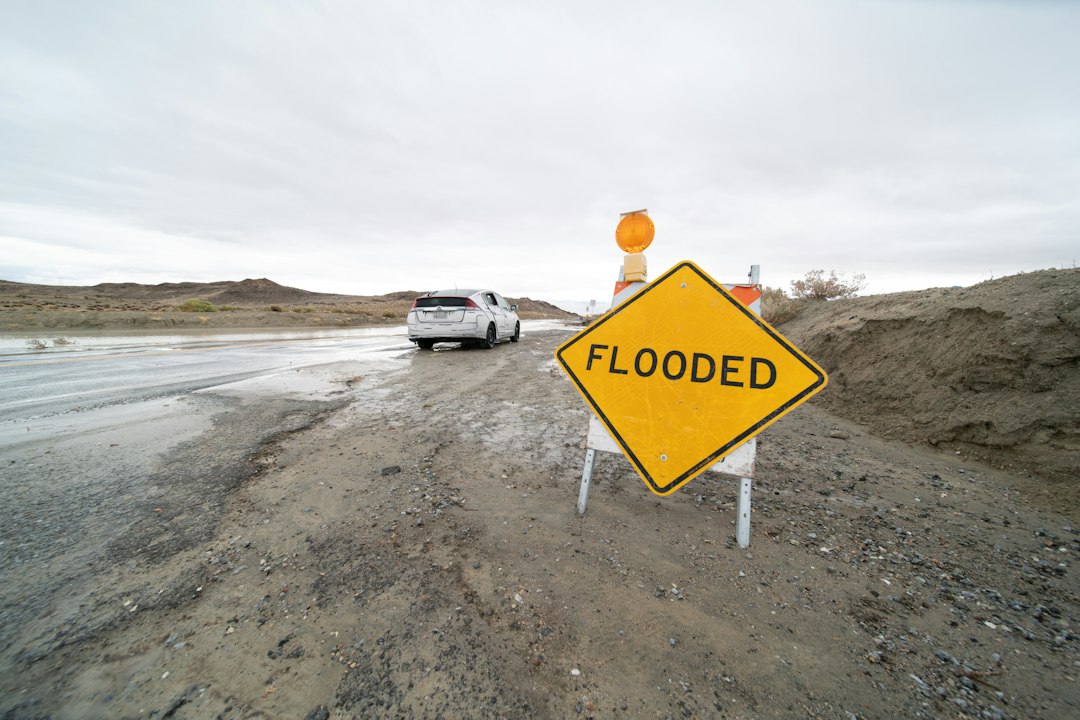
Flooding Keeps Southern Colorado Isolated as Rescue Efforts Continue
Heavy rain continued to batter southwestern Colorado this week, prolonging a flooding emergency that has triggered evacuations, rescue operations, and widespread road damage across the region, according to reporting from CBS News and The Denver Post. As of late this week, rescue crews remained active in affected areas, and evacuation orders issued Thursday for parts of southwestern Colorado were still in effect in some communities, Denver7 reported.
While the mountains and canyons of southern Colorado bear the brunt of the damage, the ripple effects are being felt statewide — and Denver metro residents, many with family ties, vacation homes, or longstanding connections to the region, are beginning to organize relief efforts even as the disaster is still unfolding.
A 45-Minute Drive Becomes a Five-Hour Ordeal
Perhaps no single detail captures the disruption better than the damage to a mountain road near the Durango area, where flooding has turned what was once a 45-minute commute into a five-hour detour, according to the Denver Gazette. The road closure has effectively severed normal travel patterns for residents who rely on that corridor for work, school, groceries, and medical appointments.
For small mountain towns that depend on through-traffic and tourism, the closure isn’t just an inconvenience — it’s an economic gut punch. Businesses that count on steady visitor traffic during the fall shoulder season now face both the physical damage from flooding and the secondary blow of being effectively cut off from easy access. For Front Range families who regularly travel to southwestern Colorado for hiking, skiing prep, or visiting relatives, the detour has turned day trips into multi-day commitments, if they’re possible at all.
State Response and Differing Views on Pace
Governor Jared Polis has issued a disaster declaration covering the flooding emergency, a move that unlocks state resources and aid for affected counties. The declaration, along with ongoing rescue and evacuation operations reported by the Denver Post and Denver7, underscores the severity of a situation that state officials describe as still active and dangerous, with continued rainfall complicating recovery work.
Not everyone agrees the response has moved fast enough. Some residents and local officials in affected mountain communities have voiced frustration over the pace of road repairs and the availability of resources, arguing that isolated, lower-population areas don’t get the same urgency as more populated corridors along the Front Range. Others note that the scale of the damage — combined with continuing rain that has hampered both rescue and repair work — makes rapid fixes unrealistic, and that state agencies are moving as quickly as conditions allow. Both perspectives reflect a familiar tension in Colorado’s mountain communities, where infrastructure built decades ago is increasingly tested by intense, prolonged precipitation events.
Denver Metro Steps Up
Even as the situation in southwestern Colorado remains fluid, Front Range residents are already mobilizing. Denver-area nonprofits, faith communities, and informal neighborhood networks have a well-established track record of responding quickly to disasters elsewhere in the state — from wildfire relief in Grand County to flood recovery efforts following past Front Range flooding events — and early signs suggest a similar pattern is taking shape now.
For metro residents looking to help, aid organizers and emergency management officials typically recommend a few consistent best practices during an active disaster response:
- Donate cash rather than goods. Relief organizations and local officials in past Colorado disasters have consistently emphasized that monetary donations to established nonprofits are more effective than donated clothing or household goods, which can create logistical bottlenecks in already-stressed communities.
- Check with established relief organizations before organizing independent drives. Groups such as the American Red Cross of Colorado and local community foundations typically set up coordinated donation and volunteer channels once evacuation and rescue operations stabilize.
- Avoid traveling into affected areas unless invited. With rescue operations still underway and roads significantly damaged, emergency responders generally discourage well-meaning volunteers from self-deploying, as it can strain already limited resources like fuel, lodging, and road capacity.
- Watch for official updates from the Colorado Division of Homeland Security and Emergency Management and from county-level emergency management offices in the affected region, which will likely issue specific calls for volunteers, supplies, or financial support as the immediate rescue phase transitions to recovery.
A Familiar Pattern for Colorado Communities
Colorado’s mountain and canyon regions have faced a string of flooding and wildfire disasters over the past decade and a half, and the Front Range has repeatedly stepped up with donation drives, volunteer labor, and sustained fundraising campaigns in the aftermath. The current flooding — still active, with rain continuing to fall and rescue operations ongoing, according to CBS News — is a reminder of how interconnected Colorado’s urban and rural communities remain, even when the physical distance between them is measured in winding mountain miles.
For now, the priority for emergency crews remains search, rescue, and evacuation support in the hardest-hit areas. But as the immediate danger passes in various pockets of the region, attention will likely shift toward the longer road: rebuilding washed-out infrastructure, restoring the kind of routine travel that once made a mountain pass a 45-minute drive rather than a five-hour detour, and helping small mountain economies recover from weeks of disruption.
Front Range Report will continue to follow both the disaster response in southwestern Colorado and the metro-area relief efforts as they develop, including specific volunteer opportunities and donation drives as local organizations finalize their coordination with affected communities.