Denver's Dia de los Muertos Festival Returns to Lincoln Park
One of the nation's oldest Day of the Dead celebrations returns to Denver's La Alma-Lincoln Park neighborhood, blending tradition, art and community this fall.
A Tradition Rooted in Community
Each fall, the La Alma-Lincoln Park neighborhood transforms into one of the most vibrant cultural gatherings in Colorado, as Denver’s Dia de los Muertos Festival returns to Lincoln Park. The event is widely recognized as one of the oldest continuously running Day of the Dead celebrations in the United States, reflecting the deep roots of Denver’s Chicano and Mexican-American community in this historic westside neighborhood.
For generations, La Alma-Lincoln Park has served as a cultural anchor for Denver’s Mexican-American population, home to murals, community organizations and institutions like the Chicano Humanities and Arts Council. The Dia de los Muertos Festival builds on that legacy, turning the park into a space for remembrance, celebration and artistic expression that draws families, artists and visitors from across the Denver metro area.
What the Festival Typically Includes
Dia de los Muertos — the Day of the Dead — is a Mexican tradition observed Nov. 1 and 2, honoring deceased loved ones through celebration rather than mourning. Denver’s festival typically features community ofrendas, or altars, decorated with marigolds, candles, photographs and offerings to departed family members and friends. These altars often serve as the emotional centerpiece of the event, allowing attendees to publicly honor relatives, community figures and, in some years, victims of violence or social causes.
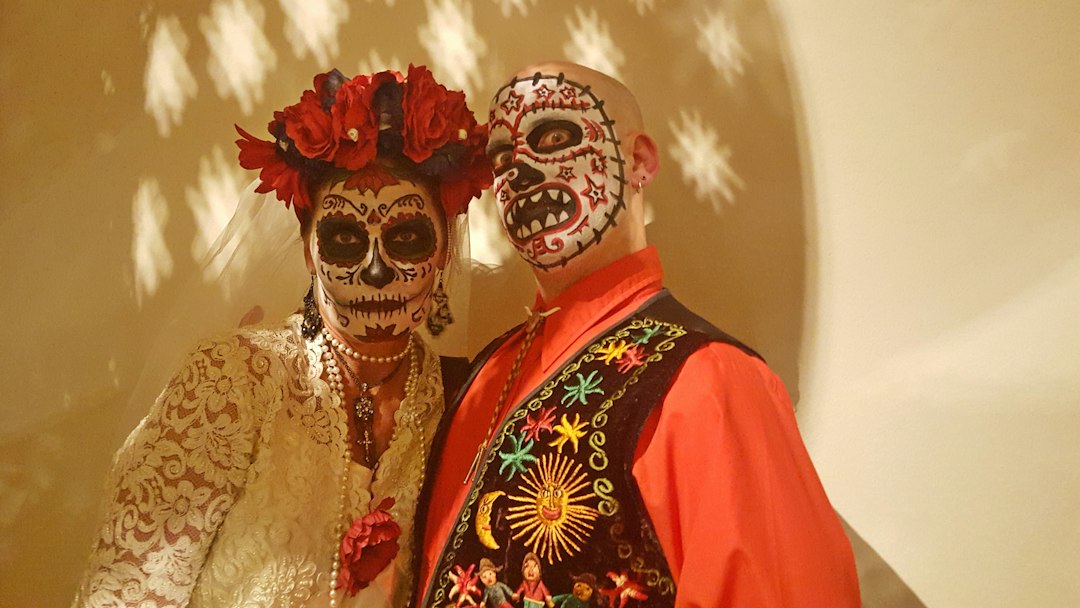
The celebration generally also includes a procession through the neighborhood, with participants in traditional dress and painted calavera (skull) makeup, along with live music, folklorico and Aztec dance performances, and a market featuring Mexican and Chicano artists, craftspeople and food vendors. Face painting, art demonstrations and family-friendly activities round out the day, making it accessible to multigenerational crowds.
While specific lineup details and vendor lists vary year to year, the festival’s core elements — altars, procession, art market and live performance — have remained consistent threads that distinguish it from more commercialized Halloween-season events happening elsewhere in the city this fall.
Cultural Significance for Denver’s Chicano Community
The festival’s longevity gives it a different character than many newer pop-up cultural events around Denver. For many in the Chicano and Mexican-American community, Dia de los Muertos in Lincoln Park functions as both a cultural preservation effort and a form of public identity-building in a neighborhood that has experienced significant demographic and economic change over the decades, including pressures from gentrification.
La Alma-Lincoln Park’s history as a center of Chicano civil rights activism in the 1960s and 70s adds another layer of meaning to the celebration. The park and surrounding neighborhood were central to organizing efforts during that era, and the annual festival is often described by longtime residents and cultural organizers as a way of keeping that history visible and relevant for younger generations.
Fall Gatherings Under Increased Scrutiny
This year’s festival arrives amid heightened public attention to safety at Denver’s outdoor gatherings. Over the past several weeks, the city has seen a string of high-profile incidents that have put public safety squarely in the local news cycle. CBS News reported on a bias-motivated attack at Washington Park, with police still searching for a suspect as of mid-October, and 9News separately reported on an assault investigation near the same park. The Denver Post reported that a Thornton police officer was wounded in a shootout with a suspect who remains at large, and CBS News also reported on a fatal shooting elsewhere in Denver in late September that left one person dead and two injured.
Those incidents have fed into broader civic debate. The Denver Gazette recently published an editorial defending a crime-fighting technology tool as no threat to civil liberties, part of an ongoing citywide conversation about policing tools and public safety strategy. Denver City Council has also been working through budget recommendations tied to the mayor’s proposed 2027 budget, a process that typically includes line items touching on public safety and event security funding, according to materials released by the City and County of Denver.
City officials have not announced specific new security measures tied to the Dia de los Muertos Festival itself, and organizers have not publicly linked the event to the recent string of incidents. Large outdoor festivals in Denver typically involve coordination with Denver Police Department for crowd management, though details of this year’s security plan were not available at the time of publication. Residents and attendees weighing whether to attend outdoor events this fall are doing so against a backdrop of visible, if scattered, public safety concerns across the city — from park-area assaults to unrelated vehicle and infrastructure incidents, including a multi-vehicle crash that temporarily closed Peña Boulevard and a car that crashed into a downtown building in recent weeks, both reported by CBS News.
Balancing Celebration and Caution
Despite the backdrop of citywide safety discussions, Dia de los Muertos organizers and community members have historically emphasized the festival’s role as a unifying, family-oriented event rather than one associated with public safety concerns. The celebration’s emphasis on remembrance, art and intergenerational participation has made it a fixture on Denver’s fall cultural calendar, distinct from the city’s broader lineup of Halloween-adjacent events.
For many attendees, the festival offers something increasingly rare in a fast-changing city: a direct link to a neighborhood’s history and a tradition that predates much of Denver’s recent growth and redevelopment. As the city continues to grapple with public safety debates, election-season politics around a contested City Council vacancy race, and ongoing questions about policing policy, the Dia de los Muertos Festival in Lincoln Park stands as one of the few annual events where the conversation turns, at least for a day, toward memory, heritage and community rather than crisis.
Attendees planning to visit this year’s festival are encouraged to check official city and neighborhood event listings closer to the date for specific scheduling, road closures and any updated safety guidance from Denver Police.