Premier League Fan Fest Puts Denver's Soccer Scene in Spotlight
As Premier League Fan Fest draws crowds downtown, Denver's growing soccer culture and economic ties to the sport come into sharper focus.
A Downtown Stage for the Beautiful Game
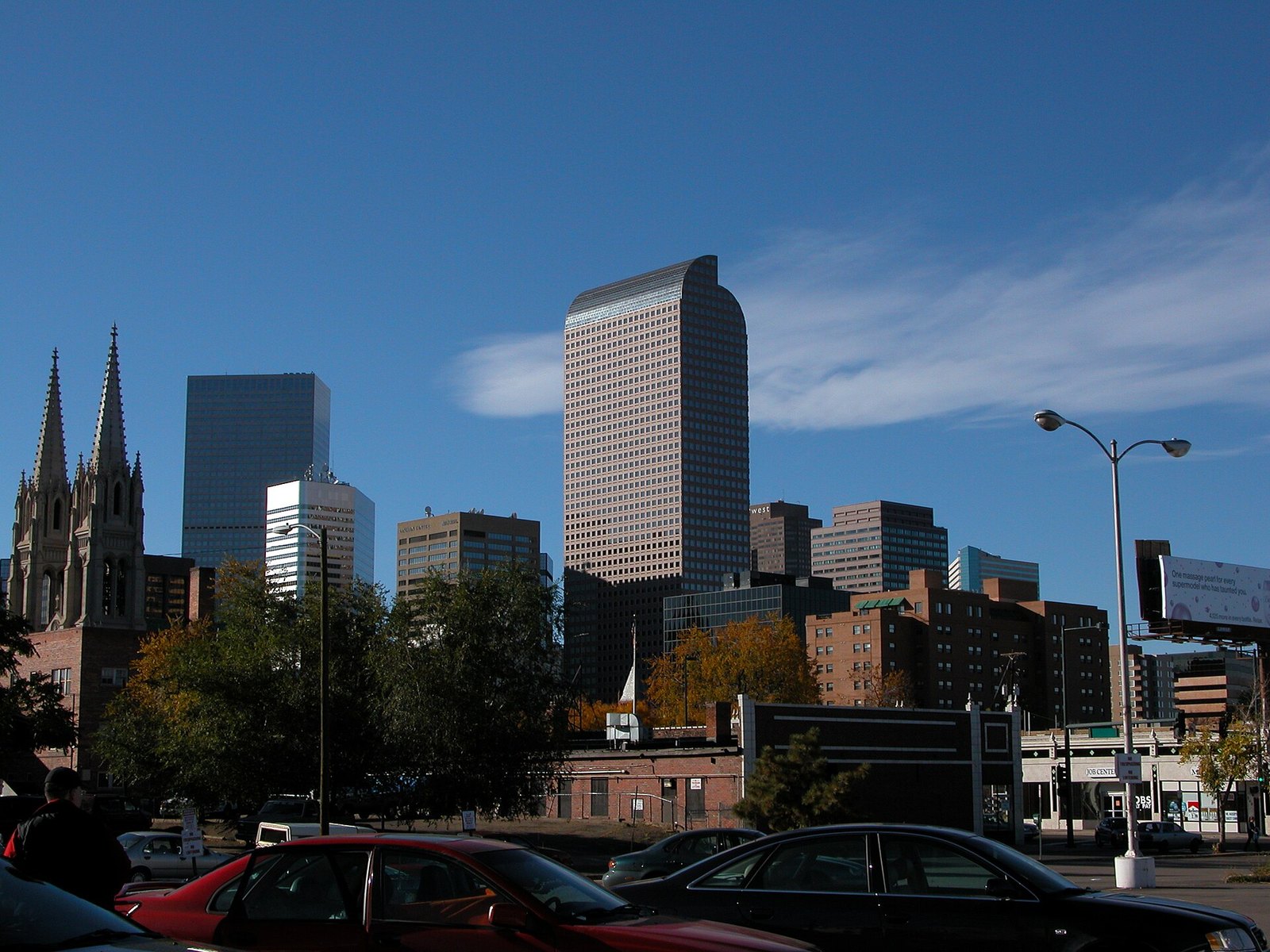
Downtown Denver this week has taken on an unmistakably international flavor as the Premier League Fan Fest sets up shop, drawing crowds of supporters decked out in the colors of Arsenal, Manchester City, Liverpool and more. The event, part of a broader push by English football’s top flight to deepen its footprint in American markets, has turned the city center into a gathering point for a fan base that organizers and observers say has been quietly building for years.
According to NBC Sports, the arrival of the Fan Fest is less a one-off novelty than a signal of something larger: Denver’s growing stature within American soccer culture. The outlet’s reporting frames the city’s selection as a reflection of a fan base and soccer infrastructure that has been developing well before this week’s festivities, rather than something built overnight for a single marketing moment.
Why Denver, Why Now
The Premier League’s decision to stage a Fan Fest in Denver fits into a pattern of the league expanding its physical presence in U.S. cities beyond the usual coastal strongholds. For a metro area that has sometimes felt overlooked in conversations about America’s biggest soccer markets, the event offers a visible, street-level validation of a fan culture that has grown steadily through pubs, supporter groups and youth leagues across the Front Range.
That growth has deep roots. The Colorado Rapids, founded as part of Major League Soccer’s original 1996 class, have given the state a professional men’s team for three decades, with Dick’s Sporting Goods Park in Commerce City serving as both the Rapids’ home and a stage for U.S. Men’s National Team matches over the years. That venue’s track record of hosting USMNT games has helped cement the region as a legitimate stop on the national soccer map, even as bigger media markets often dominate headlines.
Beyond the professional level, Denver and its suburbs have built out a dense network of pro-am and amateur leagues, adult recreational clubs, and youth soccer programs that keep fields busy across the metro area on weekends. That grassroots participation, less glamorous than a Premier League watch party but arguably more foundational, has helped create the built-in audience that made an event like the Fan Fest viable in the first place.
Acknowledging the World Cup Gap
Not everyone views Denver’s soccer credentials as settled. The city notably is not among the U.S. host sites for the 2026 World Cup, a fact that skeptics point to when questioning whether Denver truly belongs in the top tier of American soccer markets. Cities like Kansas City, Seattle and the Bay Area, all official 2026 host sites, will get the kind of global spotlight and infrastructure investment that comes with hosting World Cup matches — an opportunity Denver will watch from the sidelines.
That gap has fueled a reasonable debate: does hosting a Premier League promotional event really put Denver in the same conversation as cities securing actual World Cup matches? Critics would argue the Fan Fest is marketing, not a substantive marker of soccer importance, and that Denver’s absence from the 2026 host list speaks louder than a few days of branded tents and merchandise booths downtown. Supporters of Denver’s soccer bona fides counter that World Cup hosting decisions were driven by stadium capacity, logistics and bid politics as much as by the depth of local fan culture, and that a market can be soccer-rich without checking every box FIFA requires.
Either way, the Fan Fest arrives as evidence that the Premier League itself — one of the most commercially aggressive sports properties in the world — sees enough value in Denver’s audience to invest time and resources in a dedicated downtown event, World Cup host city or not.
Foot Traffic and Fall Timing
The timing matters, too. The Fan Fest lands in the middle of an already crowded fall events calendar for downtown Denver, a season that typically brings a mix of sports crowds, cultural festivals and holiday preparations to the city center. For downtown businesses still working to rebuild foot traffic in the years following the pandemic’s disruption of office attendance and street-level commerce, an event that pulls soccer fans into bars, restaurants and retail corridors represents a welcome, if likely temporary, boost.
Local economic ripple effects from large-scale fan events are difficult to quantify in the moment, but the pattern is familiar: visiting crowds congregating around watch parties and fan zones tend to spend on food, drinks and merchandise in the surrounding blocks. Whether this week’s Fan Fest produces a measurable bump for downtown businesses will likely be a question for city economic data in the weeks ahead rather than something assessable in real time.
A City Juggling Many Storylines
It’s worth noting that the Fan Fest is unfolding against the backdrop of a city dealing with plenty else. Denver has spent the past week absorbing news on multiple fronts — from a multi-vehicle crash that temporarily closed Peña Boulevard, to ongoing coverage of a bias-motivated attack investigation at Washington Park, to a contentious City Council race and personnel upheaval within the Denver Police Department. A downtown sports and entertainment event doesn’t happen in a vacuum, and for many residents, the Fan Fest is simply one thread among many in a busy autumn news cycle.
Still, for soccer fans specifically, the event offers a rare chance to see the sport’s global commercial machine acknowledge Denver directly, rather than treating it as flyover territory between coastal markets.
What It Means Going Forward
The larger question raised by this week’s event is less about the Fan Fest itself and more about what comes next. Will the Premier League’s interest in Denver translate into recurring events, deeper broadcast partnerships, or increased investment in local soccer infrastructure? Will the city’s exclusion from the 2026 World Cup host list prove to be a lasting ceiling on its soccer ambitions, or simply a missed opportunity in an otherwise upward trajectory?
For now, what’s clear is that Denver’s soccer identity — built over decades through the Rapids, youth programs, amateur leagues and a dedicated supporter culture — has enough weight behind it to attract one of the world’s premier sports leagues to its downtown streets. Whether that translates into the kind of marquee status that comes with hosting World Cup matches remains an open question, but the Fan Fest has, at minimum, put Denver’s soccer scene squarely in the national conversation this week.