Record Heat Snarls Denver's Fall Festival Season This Week
Near-record October heat in Denver is forcing pumpkin patches, farmers markets and fall festivals to adapt as temperatures hit the upper 80s.
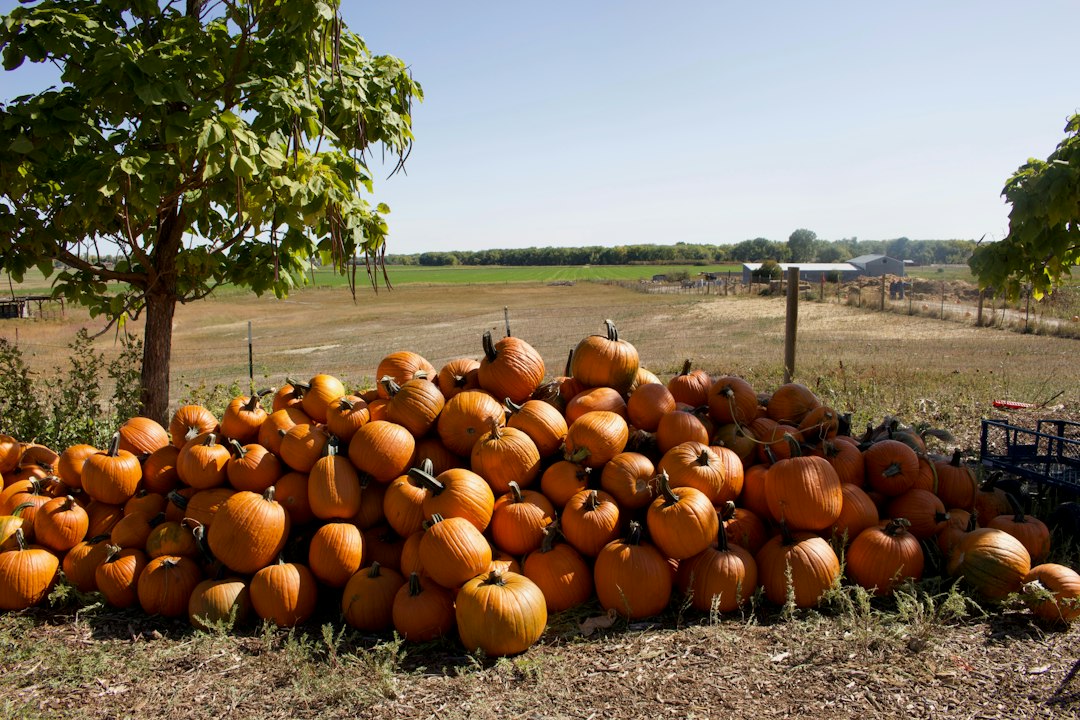
A Hot Ticket for Hay Rides
Denver’s fall festival season is colliding with a weather pattern more suited to July than October this week, as near-record and record-tying heat pushes temperatures into the upper 80s across the Front Range. According to CBS News, Denver saw near-record warmth on Tuesday with highs forecast to stay well above normal for the rest of the week, while Denver7 reported the city tied a long-standing record high as temperatures soared into the upper 80s. CBS News separately reported that the Front Range is “cooking” under temperatures running far above seasonal norms.
For the pumpkin patches, corn mazes, farmers markets and Oktoberfest-style gatherings that define Denver’s autumn calendar, the heat has created an unusual operational headache — one that stands in sharp contrast to the cooler, storm-soaked conditions that blanketed the metro area in late September.
From Rain Boots to Sunscreen in Two Weeks
Just weeks ago, event organizers across the Denver metro were contending with wet grounds, muddy parking lots and chilly, damp conditions typical of a Colorado fall. Now, with highs tying or nearing records in the upper 80s, those same organizers are flipping the script entirely — swapping concerns about mud and cold for concerns about heat exhaustion and dehydration among visitors who showed up dressed for sweater weather.
That whiplash is nothing new for Colorado, where wide temperature swings in a short span are a hallmark of the state’s climate. But the speed and scale of this particular shift — from storm systems to record-tying heat in a matter of days — has left many fall event organizers scrambling to adjust on the fly rather than plan weeks in advance, as is typical for the pumpkin-patch and harvest-festival circuit that depends heavily on predictable autumn weather for hay rides, corn mazes and outdoor vendor booths.
Pumpkin Patches and Farmers Markets Adapt
While specific operational changes vary by venue, the kind of adjustments typically associated with unseasonable heat at outdoor fall venues include shifting hours to avoid peak afternoon temperatures, adding extra water stations for visitors and staff, and providing more shade structures near lines for hay rides and corn mazes. Farmers markets, which rely on fresh produce and baked goods that don’t hold up well in sustained near-90-degree heat, often face the added challenge of protecting perishable inventory under tents and canopies not designed for summer-level sun exposure.
Oktoberfest-style gatherings, which typically draw crowds for outdoor beer gardens and live music, also face logistical strain when temperatures spike well above the 60s and 70s organizers typically plan for — from increased ice and beverage demand to concerns about keeping attendees comfortable during extended outdoor programming.
Front Range Report has not independently confirmed specific schedule changes at individual pumpkin patches or festivals this week, but the pattern of near-record heat reported by CBS News and Denver7 makes such adjustments a near-certainty for venues operating outdoors through the week.
Drought Concerns Simmer Alongside the Heat
The heat wave isn’t just an inconvenience for festival-goers — it’s also feeding into broader concerns about water supply heading into winter. Denver Water’s latest supply and water use update, published this week, addressed below-normal moisture conditions as the region moves deeper into fall. Extended stretches of unusually warm, dry weather can compound drought concerns by increasing evaporation and reducing the kind of soil moisture that typically carries over from late-summer monsoon patterns into the winter snowpack season.
For an agency tasked with managing water supply for a large swath of the Denver metro, a warm, dry October adds another data point to monitor as Colorado heads toward the snow season that ultimately determines water availability for much of next year. While one warm week doesn’t define a water year, the timing — arriving on the heels of a wetter late September — underscores how quickly conditions can shift in a state where water planning depends on long-term trends rather than short-term weather swings.
The Bigger Picture for Colorado’s Shoulder Season
This week’s heat wave is a reminder of how unpredictable Colorado’s “shoulder season” between summer and winter has become. Denver residents who packed away shorts and sandals after September’s storms are now digging them back out, while event organizers who built their fall programming around average October temperatures in the 60s find themselves managing conditions more typical of August.
For families planning weekend outings to pumpkin patches or corn mazes, the practical takeaway is straightforward: check forecasts and event-specific updates before heading out, dress in layers that can be shed if temperatures climb, and expect some venues to adjust hours or add amenities like shade and water in response to the heat. For vendors and small business owners who depend on the fall festival season for a significant share of seasonal revenue, the unexpected warmth adds one more variable to an already weather-dependent business model.
Looking Ahead
Forecasters cited by CBS News indicated the warm pattern was expected to persist through much of the week before any significant cooldown, meaning event organizers and attendees alike should brace for at least a few more days of summer-like conditions before autumn reasserts itself. Whether this week’s heat proves to be an isolated anomaly or part of a broader pattern will likely be a topic of continued discussion among climatologists and water managers in the weeks ahead, particularly as Denver Water and other regional agencies track how the warmth factors into the broader moisture picture heading into winter.
For now, Denver’s fall festival season marches on — just with more sunscreen, more water stations, and a lot more flexibility than organizers probably anticipated when they set their calendars back in the spring.