
Denver Woman's Flock Camera Lawsuit Raises Privacy Alarms
A Denver woman falsely accused of theft via Flock Safety cameras sues police, spotlighting growing concerns over surveillance tech and due process.
A Case That Could Test the Limits of Automated Policing
A Denver woman has filed a federal lawsuit against Flock Safety and the Denver Police Department after she was wrongly accused of stealing a package from a porch — an accusation built, according to the lawsuit, on data generated by the city’s network of automated license-plate-reading cameras. The case, first reported by The Denver Post, The Colorado Sun and Denver7, has reignited a debate in Denver and across the country over how much faith police departments should place in surveillance technology that promises speed and efficiency but carries real risks of error.
According to reporting from Denver7 and The Colorado Sun, the woman says she was falsely identified and charged in connection with a porch theft after investigators relied on data captured by Flock Safety’s camera system — a network of cameras that scan and log license plates, then flag matches tied to reported crimes. The lawsuit alleges that the technology, or the way police used it, led to her being accused of a crime she did not commit. The Denver Post reports the suit names both the company and the police department as defendants, raising questions not just about how the cameras work but about who bears responsibility when they get it wrong.
How Flock Cameras Operate — and Where They Can Go Wrong
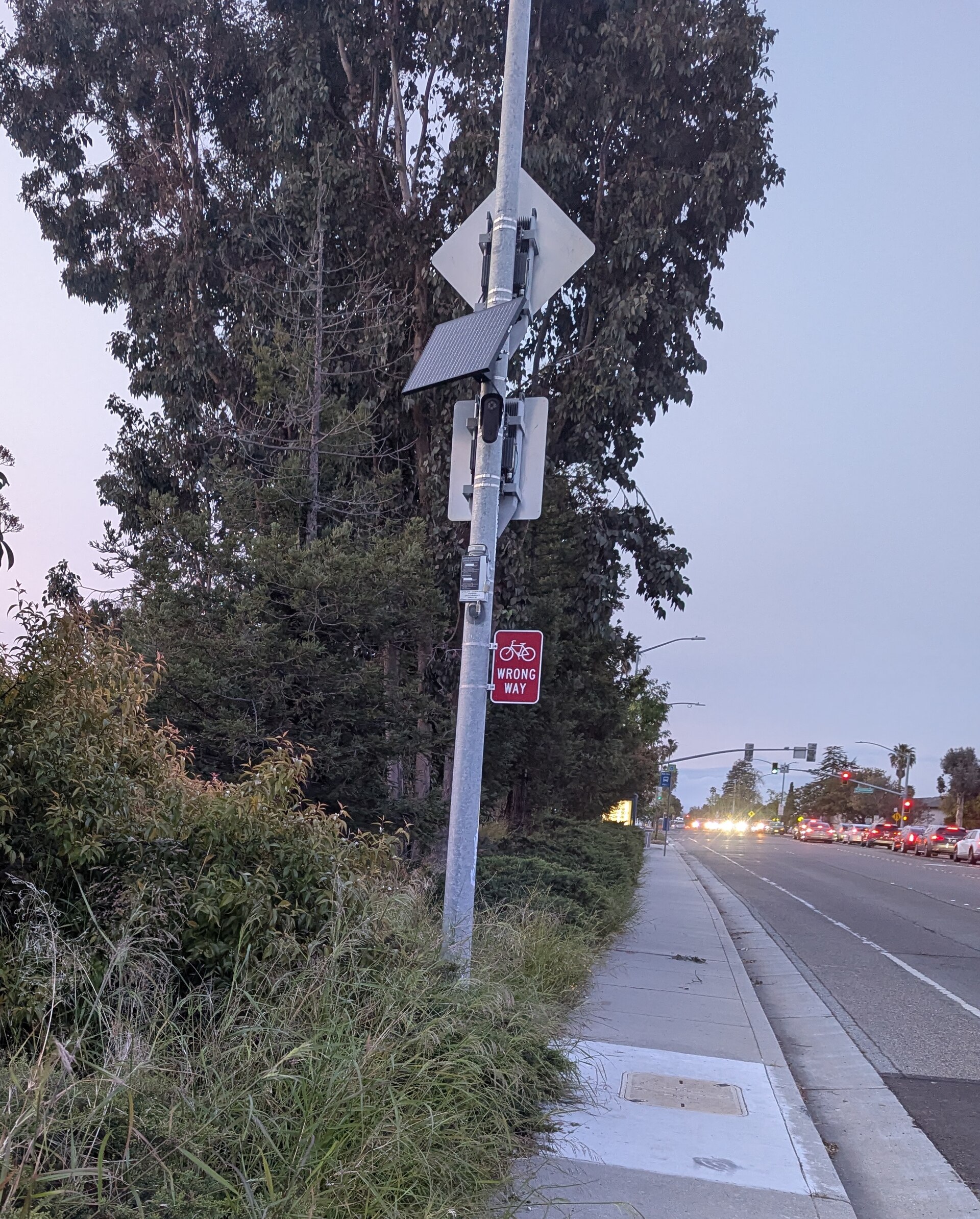
Flock Safety’s cameras are not traditional surveillance cameras. They are designed specifically to capture license plates, along with details like vehicle make, color and distinguishing features, and to run that information against law enforcement databases and alert lists. Police departments across Colorado and the country have adopted the systems in recent years, pitching them as a force-multiplier that can help solve property crimes, locate stolen vehicles and generate leads without requiring additional officers on patrol.
But the technology depends on pattern-matching algorithms and database accuracy, and civil liberties groups have long warned that errors — a misread plate, a similar-looking vehicle, outdated alert information — can lead investigators toward the wrong person entirely. The Denver case, as described in the Colorado Sun and Denver Post reporting, appears to center on exactly that kind of breakdown: a woman who says she had nothing to do with a porch theft but was nonetheless accused, at least in part, because of what the camera network reported.
Part of a Larger Local Surveillance Conversation
The lawsuit lands at a moment when Denver’s elected officials are already wrestling with questions about surveillance technology and who the city does business with. Denver City Council has been debating measures related to companies tied to immigration enforcement, according to 9News, a discussion that has touched on concerns about how data collected by tools like license-plate readers could be shared with or accessed by federal agencies, including immigration authorities. Flock Safety’s camera networks have drawn scrutiny nationally over similar data-sharing questions, as civil liberties advocates have pushed for clearer rules on who can query the systems and for what purpose.
Separately, the council recently passed what Colorado Public Radio described as a “good governance” measure aimed at tightening oversight of city spending, part of a broader pattern of council members pressing for more accountability in how city agencies — including police — procure and use technology and services. Taken together, the Flock lawsuit and the council’s ongoing scrutiny of surveillance-adjacent contracts suggest Denver is in the middle of a broader reckoning over automated policing tools, even as the department continues to rely on them for everyday investigative work.
Privacy Advocates: A Predictable Outcome
For privacy advocates, the Denver case fits a pattern they’ve warned about for years. Automated license-plate-reading systems collect enormous amounts of data on ordinary drivers who are never suspected of any crime, storing records of where vehicles travel over time. Civil liberties organizations, including the American Civil Liberties Union, have argued nationally that such systems lack sufficient guardrails — including clear limits on data retention, transparent audit trails, and independent review when a match leads to a false accusation. The core argument from these advocates is that technology marketed as objective and precise can still produce the same kinds of mistaken-identity errors that have long plagued policing, except now with an added veneer of technological authority that can make officers and prosecutors less likely to question the match.
Law Enforcement’s Perspective
Police departments, including Denver’s, have defended the use of license-plate-reading technology as a valuable investigative tool that helps close cases faster than traditional methods alone, particularly for property crimes like car theft and porch piracy that are otherwise difficult to solve. Law enforcement agencies generally frame the cameras as one piece of evidence among several, not as a sole basis for an arrest or charge — though the Denver lawsuit’s central claim is that, in this instance, the system’s output played an outsized role in the decision to pursue charges against the wrong person.
Denver police have not, according to the available reporting, issued detailed public comments addressing the specific allegations in the lawsuit. Flock Safety likewise has not been reported as issuing a public response to this particular case in the coverage from the Post, the Sun or Denver7.
What’s at Stake
The lawsuit raises questions that go beyond one woman’s ordeal. If a federal court finds that Denver police relied too heavily on automated camera data without adequate corroboration, it could prompt the department to revisit its protocols for how Flock data is verified before charges are filed. It could also influence how city council members approach ongoing debates about surveillance oversight and vendor accountability, particularly as those debates intersect with concerns about data sharing with federal immigration enforcement.
For residents, the case is a reminder that the conveniences of automated policing — faster alerts, quicker leads, less manpower needed for routine patrol — come with trade-offs that are still being worked out in real time, often through litigation rather than legislation. Denver is far from alone in grappling with these tensions; cities nationwide that have adopted Flock’s technology face similar questions about accuracy, oversight and recourse when the system gets it wrong.
Looking Ahead
The federal lawsuit is in its early stages, and it remains to be seen how Flock Safety and the Denver Police Department will respond in court filings. What is clear is that the case has placed Denver at the center of a national conversation about the limits of automated surveillance in criminal investigations — one that pits the promise of efficient crime-solving against the due-process protections that advocates say must not be outsourced to an algorithm. As Denver City Council continues to weigh its own policies on surveillance technology and vendor relationships, this lawsuit is likely to be cited by both sides: those who see it as proof that oversight needs strengthening, and those who maintain that isolated errors shouldn’t undermine a tool that, on balance, helps keep residents safe.
For now, the woman at the center of the case is seeking accountability for an accusation she says upended her life — and a federal court will ultimately decide whether the cameras, the department, or both share the blame.