
Denver Weighs Expanding Red Light Cameras, Photo Radar Citywide
Denver officials are considering adding more red light camera and photo radar locations, reigniting debate over traffic safety, surveillance and revenue.
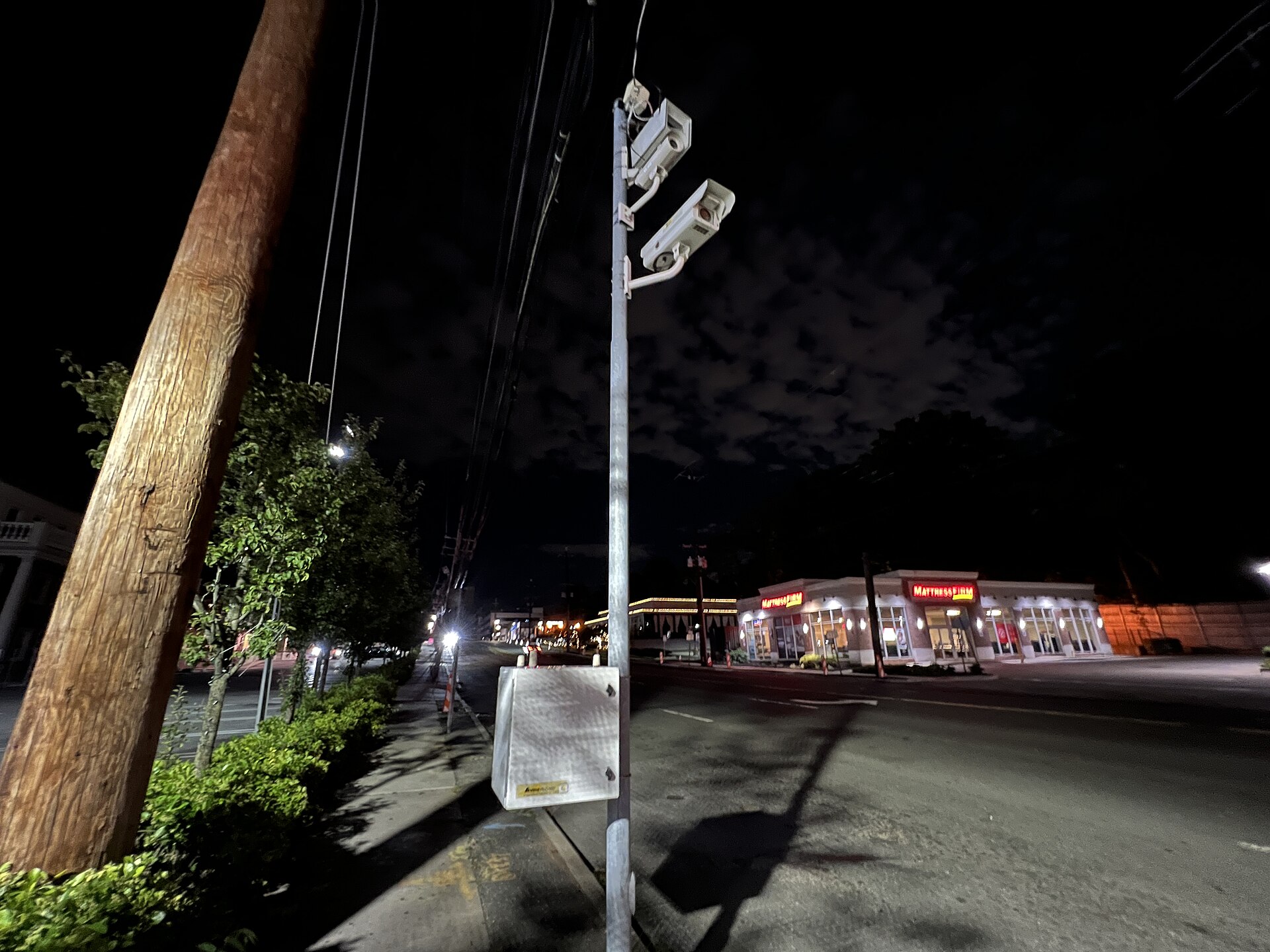
City Considers New Automated Enforcement Sites
Denver officials are exploring an expansion of the city’s red light camera and photo radar program, according to 9News, a move that would add new automated enforcement locations across the city and reignite a long-running debate over traffic safety, government surveillance and ticket revenue.
The proposal, reported by 9News on Oct. 3, would build on Denver’s existing network of intersection cameras and speed-detection vans, which have operated in various forms for years under the city’s Vision Zero traffic safety initiative. City officials have not released a final list of new locations, but the review signals that Denver is looking to broaden where drivers can be ticketed by camera rather than by an officer in person.
The Safety Case
Denver’s traffic safety officials have long framed automated enforcement as a tool to reduce speeding and red-light running, both of which contribute to the kind of severe and fatal crashes the city has pledged to eliminate under its Vision Zero program, which aims to end traffic deaths on Denver streets. The city has periodically cited data showing that intersections and corridors equipped with cameras see reductions in dangerous driving behavior after cameras go in, a pattern consistent with research on photo enforcement in other U.S. cities.
Supporters of expansion, including pedestrian and cyclist safety advocates, argue that Denver’s streets remain dangerous for people outside of vehicles and that camera enforcement is a more consistent deterrent than relying solely on police patrols, which can be stretched thin by competing public safety demands. Denver has seen a steady stream of serious and fatal incidents on its roadways and in its neighborhoods in recent months — from a fatal vehicle-into-curb crash in Fort Collins in August to multiple homicide investigations the Denver Police Department has opened this fall near Commons Park, Confluence Park and 15th Street, according to reporting from The Denver Post, Denver7 and denvergazette.com. While those cases are not all traffic-related, they underscore a broader public safety backdrop against which the city is weighing where to direct enforcement resources, automated or otherwise.
Advocates for walkers and cyclists have pushed the city for years to add more enforcement at high-crash corridors, arguing that camera technology can catch violations human officers often miss, particularly on arterial roads where speeding is common during low-traffic hours.
Privacy and Civil Liberties Pushback
Not everyone welcomes the expansion. Civil liberties advocates and some residents have raised concerns about the growth of automated surveillance infrastructure in public space, questioning who has access to the data collected by the cameras, how long it is retained, and whether the technology could be used for purposes beyond traffic enforcement. These concerns echo a broader national debate over license-plate readers and camera networks in cities that have expanded automated policing tools in recent years.
Critics also argue that camera enforcement disproportionately affects lower-income drivers who may struggle to pay fines, and that an unmanned camera cannot exercise the kind of discretion a police officer might use when weighing context around a violation. The tension between efficiency and oversight has made automated enforcement a recurring flashpoint in Denver politics, with past camera placements drawing scrutiny from City Council members and residents alike.
Revenue Questions Loom Over the Debate
Beyond safety and privacy, the proposed expansion is landing amid scrutiny of Denver’s finances. Front Range Report has previously reported on the city’s 2027 budget relying in part on revenue from traffic tickets and parking fees, a dynamic that has fueled skepticism among some residents and watchdogs that camera expansion is motivated as much by municipal revenue needs as by safety outcomes. Critics of the broader trend describe it as surveillance creep dressed up in the language of public safety, arguing that cash-strapped cities have financial incentive to maximize citations regardless of their actual effect on crash rates.
City officials have generally defended red light and speed camera programs as safety measures first, pointing to state and local rules that often require revenue from such programs to be directed toward traffic safety improvements rather than general city spending. Still, the optics of expanding ticket-generating infrastructure at the same time the city is leaning on traffic-fine revenue to balance its books have given ammunition to residents who view the timing with suspicion.
What Comes Next
The proposal is expected to move through Denver’s standard public process, which could include review and discussion before the Denver City Council. The council’s published schedule for the week of Oct. 10, 2026, includes hearings where transportation and public safety matters are typically taken up, though it was not immediately clear whether the camera expansion would be formally discussed in that session specifically. Residents seeking to weigh in on specific proposed camera locations will likely have opportunities to do so as the plan develops, consistent with how past Denver traffic safety initiatives have been vetted publicly.
For now, the city has not specified exact new intersections or corridors under consideration, leaving open questions about which neighborhoods would see the heaviest concentration of new enforcement — and whether those choices will track with high-crash data or with other considerations, including revenue potential.
A Familiar Denver Debate
The expansion debate fits a pattern familiar to Denver residents: a city grappling with real and serious traffic safety problems, a police department already stretched across major crime investigations, and a public increasingly wary of how enforcement technology and city revenue needs intersect. Supporters see camera expansion as a straightforward, proven tool to save lives on dangerous corridors. Critics see a city reaching for easy revenue under a safety banner, with insufficient attention to privacy safeguards.
As Denver officials finalize which locations might get new cameras, the coming weeks are likely to bring more public debate — from traffic safety advocates pushing for faster action, to civil liberties groups demanding transparency, to residents simply wondering whether the next camera on their street is really about safety, revenue, or both. Front Range Report will continue following the proposal as it moves through city review.