Denver, Aurora Water Watering Rules Now Mean Real Fines
New fall watering restrictions are now in effect in Denver and Aurora, with crews warning of enforcement and hefty fines for violators.
Fall Watering Rules Move From Notice to Enforcement
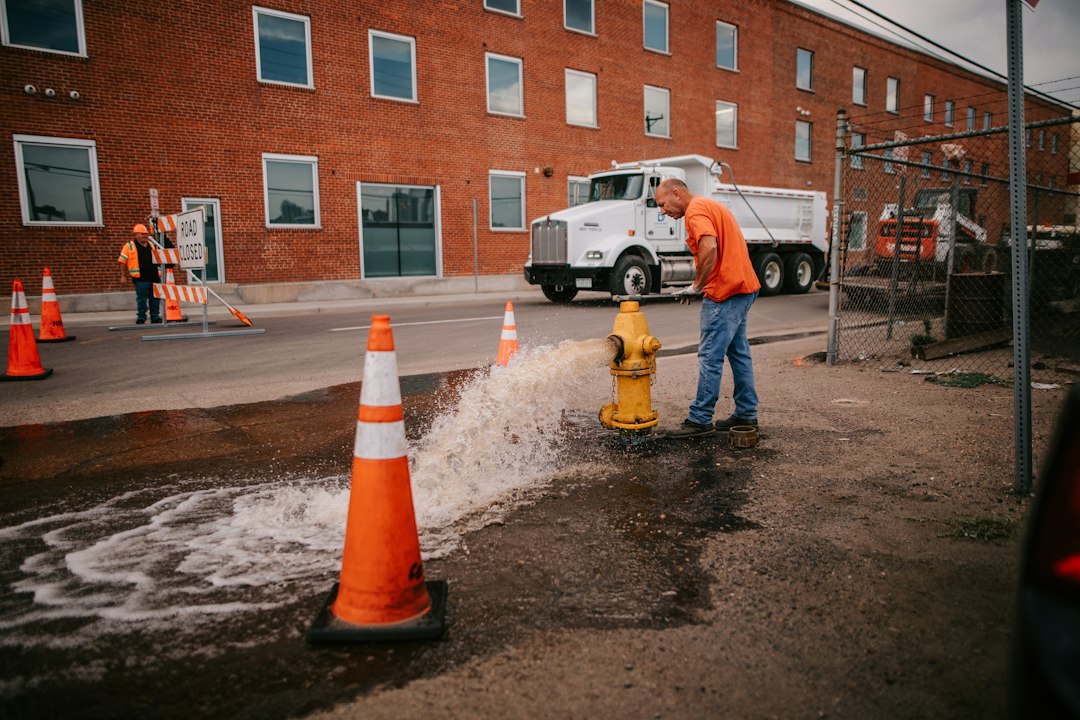
Denver and Aurora residents who have grown accustomed to watering their lawns on their own schedule are now facing a new reality: water providers are actively patrolling neighborhoods and issuing fines to those who don’t comply with seasonal watering restrictions, according to a CBS News report. What began as routine seasonal guidance announced by Denver Water back in September has shifted into active enforcement, with crews checking sprinkler schedules and following up on citizen complaints across the metro area.
The restrictions, which limit how often and when residents can run outdoor irrigation systems, are standard practice this time of year as utilities transition customers away from summer watering habits. But this fall, according to CBS News, both Denver Water and Aurora Water are making clear that violations carry real financial consequences, not just a warning letter.
What’s Changed
For years, fall watering restrictions in Denver and Aurora have existed largely as guidance — reminders that cooler temperatures and shorter days mean lawns need less water, and that continuing to irrigate on a summer schedule wastes a resource that Colorado’s semi-arid climate can’t always spare. Denver Water’s September announcement laid out the seasonal cutback, signaling to customers that watering days and times would be restricted as part of the utility’s standard fall-to-winter transition.
What CBS News’s report highlights is the next phase: actual enforcement on the ground. Crews representing the water utilities are reportedly out in neighborhoods, and residents who ignore the rules can expect fines rather than a simple notice. The report specifically warns customers to expect “enforcement and hefty fines” for those who don’t adjust their habits.
That shift matters because enforcement changes the calculus for homeowners who may have treated past restrictions as optional. A warning postcard is one thing; an actual penalty on a water bill is another.
Why Denver and Aurora Are Watching Lawns So Closely
Water conservation has been a persistent theme for Front Range utilities, which manage supplies drawn from a complex system of mountain reservoirs, rivers and allocations that are increasingly strained by population growth, drought cycles and long-term climate shifts in the Western United States. Denver Water and Aurora Water, like most Colorado utilities, build seasonal watering schedules into their broader conservation strategy, encouraging residents to water deeply but less frequently as temperatures drop and grass goes dormant.
For conservation advocates, enforcement is a necessary tool. Rules without consequences, the thinking goes, tend to get ignored — and outdoor irrigation remains one of the largest controllable draws on municipal water supplies in Colorado, particularly in summer and early fall. Pushing homeowners to scale back watering as the growing season winds down is seen as a relatively painless way to reduce demand without asking residents to sacrifice much, since lawns naturally need less water once nights turn cold.
The Homeowner Side of the Equation
At the same time, the move to active fines is likely to generate friction. Many residents maintain irrigation systems on automatic timers and may not realize schedules have changed, or may be unaware that what was once a gentle reminder now comes with a monetary penalty attached. Longtime homeowners accustomed to watering on their own terms — especially those nursing new sod, recently seeded lawns, or landscaping investments — may bristle at being told how and when they can use water on their own property, particularly if they feel the rules aren’t clearly communicated before crews start writing up violations.
This tension is a familiar one in Colorado water politics: utilities frame restrictions as essential stewardship of a scarce resource, while some residents view them as an overreach into personal property decisions, especially when the penalties start to bite. The CBS News report’s emphasis on “hefty fines” suggests this fall’s enforcement push is designed to get residents’ attention in a way that past soft-touch reminders may not have.
What Residents Should Know
While the specifics of fine amounts and the exact restricted watering days can vary between Denver Water’s service area and Aurora Water’s, the practical takeaway for residents of both cities is the same: check your utility’s current watering schedule rather than assuming last season’s rules still apply, and don’t count on a warning before a fine arrives. Both Denver Water and Aurora Water maintain customer service lines and websites where residents can confirm current restrictions, and homeowners associations in many metro-area neighborhoods have also begun circulating reminders following the CBS News coverage.
For residents managing irrigation systems on timers, now is also a practical moment to double-check settings, since many systems don’t automatically adjust to new seasonal rules without manual intervention.
The Bigger Picture
The enforcement push arrives against a backdrop of broader water-supply anxiety across the Front Range, where years of drought conditions, snowpack variability and a growing population have kept conservation near the top of the agenda for both Denver Water and Aurora Water. Fall watering restrictions are a relatively modest piece of that larger puzzle compared to summer watering limits, but the willingness to actually fine violators signals that utilities see even these seasonal shoulder-month rules as worth enforcing seriously.
Whether residents view the fines as a fair nudge toward smarter water use or an unwelcome intrusion likely depends on how closely they were already following the rules. For now, the message from both Denver Water and Aurora Water, as reported by CBS News, is unambiguous: fall watering restrictions are in effect, crews are watching, and the days of a simple warning appear to be over.
Residents with questions about their specific watering schedule or potential violations are encouraged to contact Denver Water or Aurora Water directly, as restriction details can differ by address and service area.