
DIA Ground Stop Shows Storms Still Snarl Denver Fall Events
Friday's thunderstorm ground stop at DIA disrupted travel again, underscoring how volatile weather keeps testing Denver's packed fall event calendar.
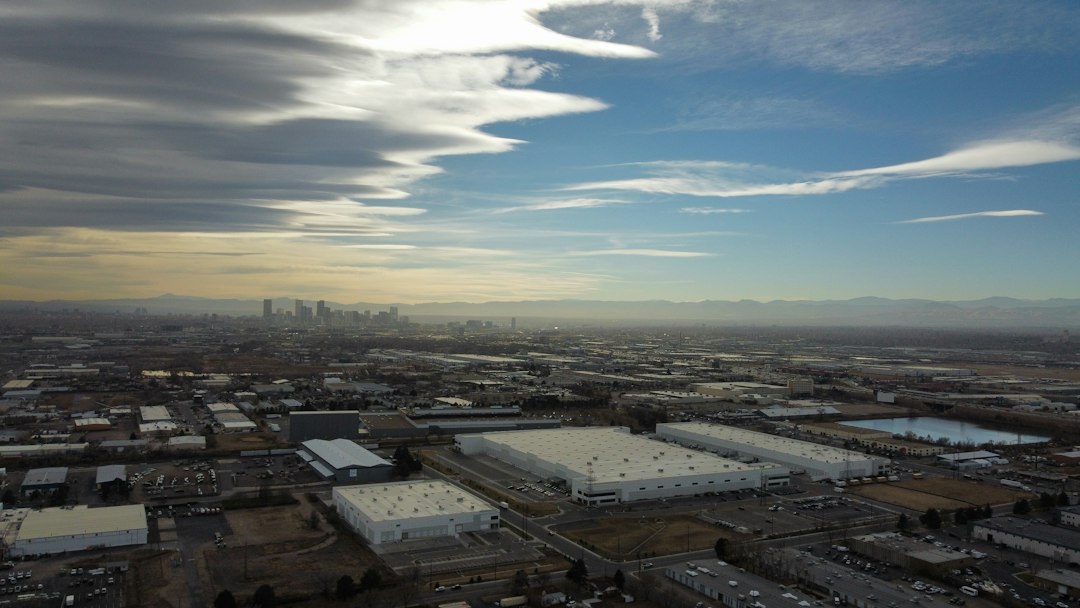
Storms Roll Through, Flights Grounded — Again
Thunderstorms rolled through downtown Denver and the metro area Friday evening, prompting a ground stop at Denver International Airport and leaving travelers stuck on tarmacs and in terminals as the airport worked through a backlog of delayed departures and arrivals, according to CBS News and The Denver Post. The ground stop was lifted later Friday night, but not before disrupting flight schedules heading into a busy fall weekend.
For many Denver residents and visitors, the scene was familiar: dark clouds building over the Front Range, lightning tracking across radar maps, and DIA’s status boards filling with delay notices. Friday’s disruption adds to a pattern that has defined much of this year’s fall travel season in Colorado, where volatile weather has repeatedly tested one of the country’s busiest airports and the outdoor events that depend on clear skies.
A Season of Weather Disruptions
DIA is no stranger to severe weather. The airport sits on the high plains east of Denver, an area prone to fast-forming thunderstorms, hail, and high winds, especially during the transition from summer into fall. Friday’s ground stop, first reported by CBS News and confirmed by The Denver Post once it was lifted, is part of a broader stretch of weather-related headaches at the airport this season.
While the specifics of each incident vary, the throughline is consistent: sudden storms forming over the airport or nearby flight paths force air traffic controllers to pause operations, triggering cascading delays that can take hours to unwind even after the weather clears. Ground stops like Friday’s are a standard safety tool, but they carry real costs for travelers trying to make connections, attend weekend events, or simply get home.
The recurring disruptions have become something of a talking point among frequent flyers and event organizers in the region, who have grown accustomed to building extra buffer time into their fall travel and outdoor plans.
Why Fall Is Especially Volatile
Colorado’s fall shoulder season is notoriously unpredictable. Warm days can give way quickly to strong afternoon thunderstorm cells, and the state’s terrain — with the Rocky Mountains rising abruptly from the plains — helps generate the kind of rapid atmospheric instability that produces hail, lightning, and gusty winds with little warning. That instability doesn’t just affect air travel; it also complicates the dozens of outdoor festivals, concerts, sporting events, and civic gatherings that pack Denver’s calendar every September and October.
Event organizers across the metro area have had to adapt to this reality, often monitoring weather forecasts hour by hour and building contingency plans for delays, evacuations, or outright cancellations. For an airport like DIA, which handles tens of millions of passengers a year, even a brief ground stop can ripple outward, delaying flights well beyond the storm’s actual duration as aircraft and crews get repositioned across the network.
Impact on Travelers and Events
Friday’s ground stop came at an inconvenient moment, landing squarely in the middle of a fall weekend when many Coloradans and visitors were traveling for events, family gatherings, or weekend getaways. Passengers described the familiar routine of watching delay notices stack up on airport monitors, a scenario that has played out multiple times already this season according to local coverage of DIA operations.
For event organizers in Denver, the airport disruptions serve as a reminder of just how tightly outdoor programming and travel logistics are linked in a city that markets itself heavily around its calendar of festivals, concerts, and civic events. A ground stop doesn’t just delay flights — it can delay performers, vendors, staff, and attendees who are flying in for events happening across the metro area, from downtown gatherings to festivals in the foothills.
Airport and City Response
Both CBS News and The Denver Post reported that the ground stop was resolved Friday night, with flights resuming as the storm system moved out of the area. DIA officials have not been quoted publicly with specific comment on this particular ground stop beyond confirming its issuance and lift, but the airport routinely emphasizes that ground stops are issued for safety reasons and are lifted as soon as conditions allow.
The airport’s operational challenges come as Denver city officials are also navigating other logistical and budget questions heading into next year. According to 9News, Denver’s proposed 2027 budget is banking on additional revenue from traffic tickets and parking fees, a reminder that infrastructure and transportation costs — including those tied to airport operations and road maintenance — remain a persistent budget pressure point for the city.
A Pattern Worth Watching
Friday’s ground stop was resolved within hours, and air travel returned to normal by the end of the night. But the broader pattern this fall — recurring storm-related delays layered atop a packed events calendar — raises practical questions for both travelers and the businesses and organizations that depend on Denver’s steady stream of visitors.
For now, the message from recent coverage is straightforward: Denver’s fall weather remains as unpredictable as ever, and both DIA and the city’s event organizers are likely to keep adjusting on the fly. Travelers heading through DIA this fall may want to build in extra time, monitor flight status closely, and expect that a clear morning sky is no guarantee of a smooth afternoon — a lesson underscored once again by Friday night’s storms.