
DIA Storms Strand Flights as Denver Event Season Rolls On
Over 400 flights delayed at DIA amid Saturday thunderstorms, complicating travel for fans headed to Denver's packed fall events lineup.
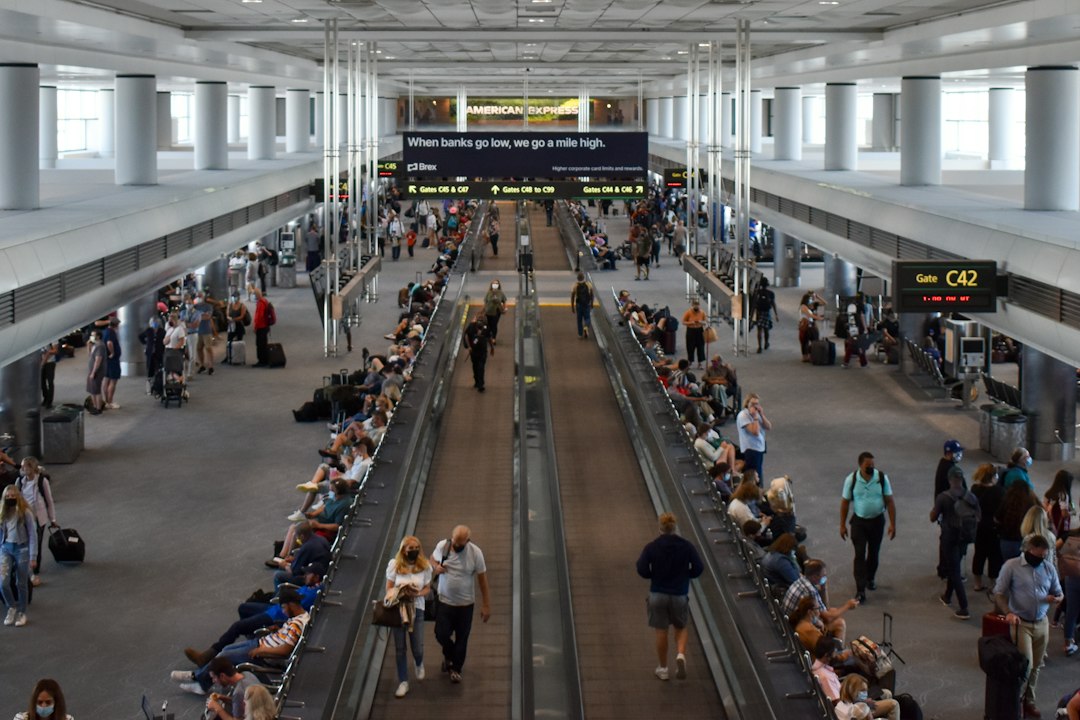
Storms Roll Through, Flights Pile Up
Saturday’s thunderstorms over the Front Range grounded plans for hundreds of travelers moving through Denver International Airport, with more than 400 flights delayed as severe weather swept across the region, according to The Denver Post. The disruption landed squarely in the middle of one of Denver’s busiest stretches of the fall calendar, when concerts, sports crowds and lingering beer-festival tourism traffic are already testing the metro area’s roads, hotels and transit.
DIA is no stranger to weather-driven slowdowns, particularly during the transition from summer to fall, when Colorado’s unstable atmosphere can produce fast-moving thunderstorms with hail, lightning and gusty winds. Saturday’s storms forced air traffic controllers and airlines to hold aircraft on the ground or reroute them around active cells, a standard but disruptive safety measure that cascades into delays across connecting hubs nationwide. The Denver Post’s report did not specify how many flights were canceled outright versus delayed, but the scale — over 400 affected flights — signals a significant single-day disruption at one of the country’s busiest airports.
A Bad Weekend to Fly Into Denver
The timing was rough for anyone flying in for Denver’s fall event slate. The city’s autumn calendar has been packed in recent weeks, following a summer stretch that included a hail event and turbulence-related incidents that made headlines earlier in the season. Saturday’s storms mark a fresh disruption distinct from those earlier weather stories — a new system moving through on Sept. 19 that once again put DIA’s operations under strain.
For concertgoers, sports fans and festival attendees trying to time their arrivals around specific events, delays of this magnitude can mean missed opening acts, late arrivals to tailgates, or scrambling for rebooked flights the next morning. Denver’s fall event season has been in full swing, with venues across the city hosting a steady rotation of concerts and games even as the city continues to digest the tail end of its beer festival season, which typically draws heavy weekend foot traffic downtown and near RiNo.
Airlines operating out of DIA generally follow standard weather-delay protocols — holding departures, adjusting gate assignments and issuing rebooking options through mobile apps — though specific carrier statements on Saturday’s storms were not detailed in available reporting. Travelers heading to DIA this fall are being reminded, as is typical during Colorado’s stormy shoulder seasons, to check flight status directly with airlines and build in extra buffer time around severe weather forecasts.
Ripple Effects on the Ground
Flight delays don’t just strand travelers at the gate — they ripple outward into the rest of the city’s event ecosystem. Rideshare and shuttle demand tends to spike when large batches of flights land in bunches after a ground stop lifts, and hotels near the airport and downtown often see late check-ins pile up. For an event-heavy weekend, that can mean fans arriving hours behind schedule to games, concerts or festival wrap-up activities they’d planned around.
This isn’t the first time this year that Colorado’s volatile weather has intersected with air travel headaches. CBS News reported back in May on the possibility of severe storms across the Denver area, part of a broader pattern of spring-into-fall instability that regularly threatens DIA operations. Saturday’s storm event fits that seasonal pattern, even as it stands as its own distinct incident rather than an extension of earlier hail or turbulence stories that circulated over the summer.
A City Still Moving, Storms or Not
Despite the air travel headaches, Denver’s event machine didn’t grind to a halt. The city remains in the middle of a robust fall lineup, and other major developments continue to shape the broader entertainment landscape. NHL.com reported this week that Ball Arena — home to the Avalanche and Nuggets — is set to undergo a massive renovation, a signal that Denver’s appetite for large-scale sports and entertainment investment isn’t slowing down even as short-term weather disruptions test the city’s travel infrastructure.
Meanwhile, city government continues its own routine business alongside the event season. The Denver City Council’s schedule for the week of Sept. 21 includes hearings covering a range of municipal matters, according to city records, while council members recently approved an amendment to the Denver Health sales tax agreement, as reported by The Business Journals. None of this is directly tied to Saturday’s storms, but it underscores that Denver’s civic and economic life keeps humming in the background even as weather headlines dominate a given weekend.
What Travelers Can Do
For those with upcoming travel through DIA this fall, aviation and weather officials generally recommend a few standard precautions during Colorado’s storm-prone months: checking flight status well before heading to the airport, signing up for airline text or app alerts, and building extra time into travel plans when severe weather is forecast for the Front Range. Given the region’s history of sudden, intense thunderstorm activity — as seen both in Saturday’s delays and in the severe weather CBS News flagged back in May — such disruptions are likely to remain a recurring feature of Denver air travel rather than a one-off event.
Looking Ahead
As Denver’s fall event season continues — with more concerts, sports matchups and civic gatherings on the horizon — Saturday’s storm-driven delays serve as a reminder of how quickly Colorado weather can reshape travel plans. DIA’s scale and connectivity make it a critical artery not just for local residents but for the visitors who fuel much of the city’s event economy. Whether Saturday’s disruption proves to be an isolated inconvenience or part of a broader pattern this fall will depend largely on what the skies over the Front Range do next — a familiar uncertainty for anyone who’s spent a Colorado September watching storm clouds build over the mountains before rolling east toward the airport.