
Children's Hospital Swatting Call Renews Denver Safety Fears
A false swatting call locked down Children's Hospital Colorado, the latest in a string of hoax threats straining Denver-area schools and public institutions.
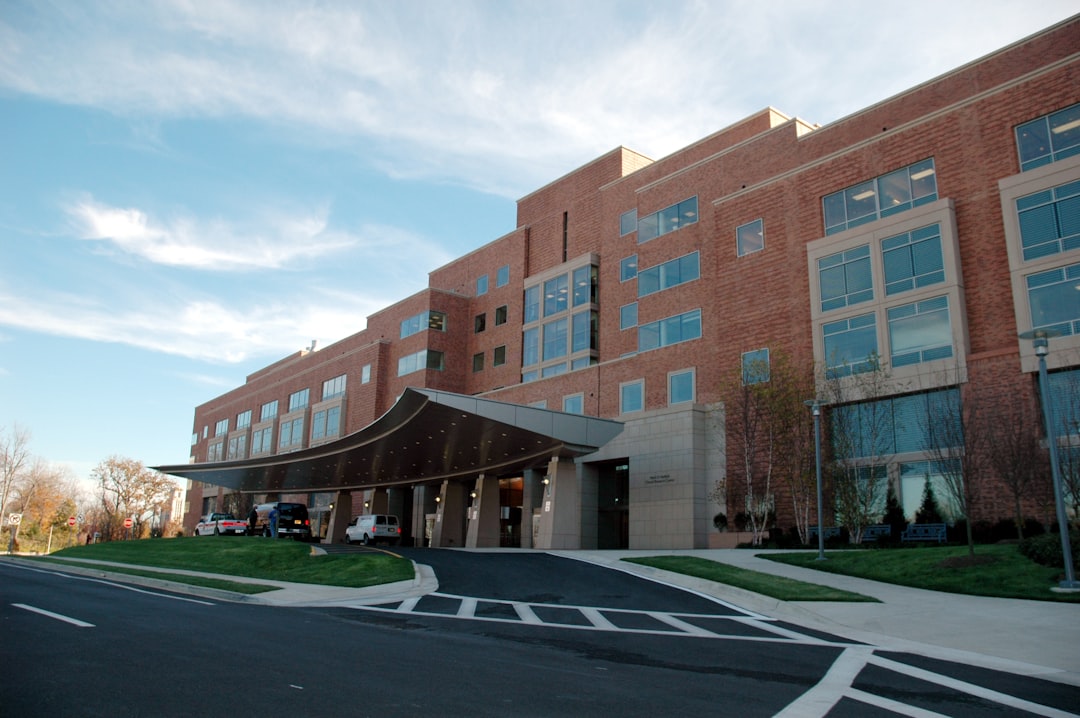
Lockdown at Children’s Hospital Colorado
A lockdown at Children’s Hospital Colorado was lifted Friday after officials confirmed the emergency that triggered it was a swatting call — a hoax report of danger designed to draw an emergency law enforcement response to a location where no actual threat exists, according to the Denver Gazette. The hospital, located on the Anschutz Medical Campus in Aurora, was placed under lockdown as law enforcement responded to the report before determining it was false.
For families with children receiving treatment, staff working shifts inside the hospital, and visitors caught in the sudden lockdown, the incident was almost certainly a frightening one regardless of the eventual all-clear. Children’s Hospital Colorado serves some of the region’s most vulnerable patients, many of whom are dealing with serious or chronic illnesses, and any disruption to hospital operations carries real consequences — delayed procedures, anxious families, and a scramble by security and medical staff to secure a large, complex facility on short notice.
Part of a Troubling Pattern
While details specific to this incident remain limited to the Denver Gazette’s initial report, the swatting call fits into a broader and increasingly familiar pattern across Colorado and the nation: hoax emergency calls aimed at schools, hospitals, and other public institutions that force real, resource-intensive law enforcement responses to fake threats.
Swatting calls typically involve someone phoning in a false report — often an active shooter, a bomb threat, or a hostage situation — to trigger a heavy police response, sometimes including SWAT teams, to a target location. The tactic has been used against schools, government buildings, private residences, and now, apparently, medical facilities in the Denver area. Each call forces first responders to treat the threat as credible until it can be ruled out, diverting officers and resources from other calls and leaving institutions and the public in a state of uncertainty until an all-clear is given.
The Children’s Hospital Colorado incident arrives amid a stretch of public safety concerns already weighing on the Denver metro area. In the same week, Denver police were investigating a shooting in southwest Denver, according to CBS News and KDVR, and were still searching for a suspect in an earlier shooting on Colfax Avenue, CBS News reported. Denver7 also reported this week on an alleged conspiracy involving an inmate and a defense lawyer accused of smuggling meth and other contraband into the Arapahoe County Jail. Taken together, these stories paint a picture of a police force managing multiple serious incidents simultaneously — a workload that hoax calls like swatting only add to.
The Strain on Law Enforcement and Institutions
Swatting incidents carry a cost even when no one is physically harmed. Responding officers must treat every call as if it were real, deploying resources at the same level as an actual emergency. That means personnel and equipment are pulled away from other potential calls for service across the city and region, even if only temporarily. For institutions like Children’s Hospital Colorado, a lockdown — however brief — requires coordination between hospital security, law enforcement, and clinical staff to ensure that patients undergoing treatment, some of whom cannot easily be moved, remain safe while the facility is secured.
Colorado schools have faced similar hoax threats in recent years, part of a nationwide trend that has prompted law enforcement agencies to treat swatting as a serious criminal matter rather than a prank. Federal and state authorities have increasingly pursued charges against those responsible for swatting calls, recognizing the real fear, disruption, and financial cost such hoaxes inflict on communities, even absent physical injury.
Community Impact and Lingering Anxiety
Beyond the immediate disruption, incidents like the one at Children’s Hospital Colorado tend to leave a lasting unease. Parents of hospitalized children, already navigating stressful medical circumstances, must also contend with the possibility that their child’s hospital could become the target of a hoax threat. Hospital staff, trained to respond to medical emergencies, are increasingly called upon to also manage security lockdowns triggered by threats that turn out to be fabricated.
This mirrors concerns raised by other recent events across the Denver metro, from anti-ICE protest citations reported by the Denver Gazette to a hit-and-run investigation in the city, reported by 9News, and a fatal stabbing at a Thornton gas station covered by The Denver Post. While each incident is distinct, cumulatively they reflect a period of heightened public safety concern across the region — one in which hoax emergencies like swatting calls compound an already strained sense of security.
Looking Ahead
As of Friday, the lockdown at Children’s Hospital Colorado had been lifted and the Denver Gazette reported the incident was confirmed to be a swatting call. It remains unclear whether law enforcement has identified a suspect or motive behind the call, and the Gazette’s report did not indicate whether charges have been filed.
For now, the incident serves as a reminder of the disruptive power of hoax threats — and the real toll they take on hospitals, schools, and the law enforcement agencies tasked with responding to them. As Denver-area institutions continue to grapple with these false alarms alongside a busy slate of genuine public safety incidents, community members and officials alike are likely to keep pressing for accountability for those responsible for swatting calls, even as the underlying anxiety such hoaxes generate proves difficult to fully dispel.
Front Range Report will continue to follow developments in this story, including any updates from Aurora police, Children’s Hospital Colorado, or federal authorities regarding the investigation into the swatting call.