
Denver Rezones West 32nd Ave Gateway for Commercial Growth
Denver approves a rezoning at the West 32nd Avenue gateway, clearing the way for full commercial use as the corridor's redevelopment accelerates.
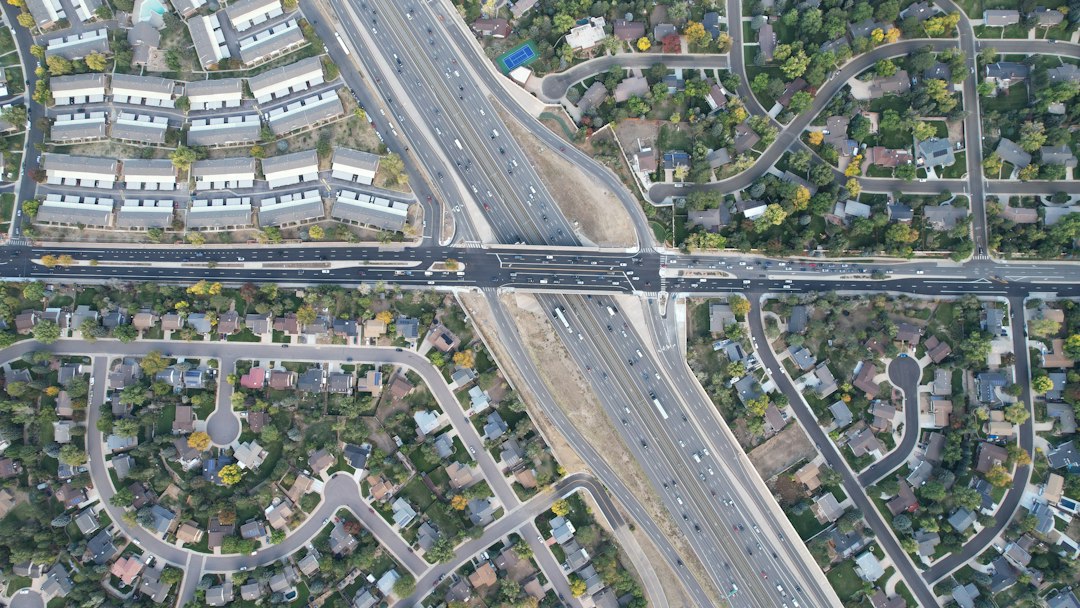
A Gateway Rezoned
Denver City Council has approved a rezoning of a building at the West 32nd Avenue gateway to allow full commercial use, according to a report from The Business Journals. The decision marks another shift for a corridor that connects the Highlands and Jefferson Park neighborhoods to downtown Denver and has been steadily transforming from a quiet residential and small-retail strip into a denser mixed-use business district.
The rezoning cleared through the city’s standard land-use process, which typically includes a Denver Planning Board review followed by a City Council public hearing before a final vote. Council’s schedule for the week of September 7, 2026, published by the City and County of Denver, indicates rezoning matters were among the items taken up during that period, consistent with the timeline of the West 32nd Avenue decision.
What the Rezoning Allows
The approval shifts the property from its previous, more limited zoning classification to a designation that permits full commercial use. In practical terms, that means the building’s owner or a future tenant can now operate a broader range of business types on the site without needing additional variances or conditional-use permits — a change that developers and commercial brokers often point to as removing friction from redevelopment and leasing.
For a corridor like West 32nd Avenue, which functions as a literal gateway between Interstate 25, the South Platte River, and the residential streets of Jefferson Park and Highlands, this kind of zoning change is significant. It signals to investors and business owners that the city sees commercial intensification, not just residential infill, as part of the neighborhood’s future.
Part of a Larger Pattern
The West 32nd Avenue rezoning does not exist in isolation. Denver’s northwest neighborhoods — Highlands, Jefferson Park, Sunnyside and LoHi — have undergone significant redevelopment over the past decade, with older bungalows and light-industrial buildings giving way to breweries, restaurants, boutique retail and multifamily housing. The 32nd Avenue corridor in particular has emerged as a connector between these pockets of growth, linking commercial nodes near Lower Highlands with the retail strip closer to Highland Square.
City planning documents and past rezoning actions in the area have generally supported this trajectory, reflecting Denver’s broader Blueprint Denver land-use goals, which emphasize mixed-use corridors and transit-adjacent density in already-urbanizing neighborhoods. Supporters of this approach argue that concentrating commercial growth along established corridors, rather than pushing it into purely residential blocks, is a more efficient way to accommodate the city’s population growth while preserving quieter side streets.
The Case for Commercial Growth
Proponents of the rezoning — likely including the property owner, area business interests and pro-development voices on City Council — see the change as an economic opportunity. Full commercial zoning generally raises a property’s value and marketability, making it easier to attract restaurants, retail tenants, office users or service businesses. For a gateway property, visibility and traffic counts matter, and commercial designation allows the site to be marketed to a wider pool of potential occupants.
Business advocates in Denver have long argued that outdated or overly restrictive zoning on key corridors stalls investment and leaves buildings vacant or underused. A rezoning that matches a property’s zoning to how the surrounding area has already evolved commercially is often framed as simply catching up to market reality rather than initiating unwanted change.
Concerns from Residents and Preservationists
At the same time, rezonings in Highlands and Jefferson Park have historically drawn scrutiny from residents and preservation-minded neighbors who worry about the pace and character of change in these historically working-class, architecturally distinct neighborhoods. Common concerns raised at Denver Planning Board and City Council hearings on similar corridor rezonings include:
- Traffic and parking pressure, as commercial uses typically generate more vehicle trips and demand for on-street parking than residential or limited-commercial uses.
- Gentrification and affordability, with longtime residents and small, independent business owners worried that rising commercial property values ripple into higher rents for both housing and retail space nearby.
- Neighborhood character, particularly in areas close to designated historic districts, where residents have pushed back against building forms or business types seen as out of step with the area’s scale and history.
Denver’s public hearing process for rezonings requires notice to neighboring property owners and registered neighborhood organizations, giving residents a formal avenue to raise these issues before Council votes. It is standard for such hearings to include testimony both in favor of and against a proposed change, reflecting the genuine tension between growth and preservation that has defined much of northwest Denver’s redevelopment story.
What Comes Next
With the rezoning approved, attention will likely turn to what tenant or use ultimately occupies the West 32nd Avenue building. As with other commercial conversions along the corridor, the next visible sign of change will probably come through permitting activity — renovation filings, liquor license applications, or new business registrations — rather than through further legislative action.
The decision adds to a growing list of zoning changes along Denver’s northwest corridors that have incrementally reshaped how residents move through, shop in and live near neighborhoods like Highlands and Jefferson Park. Whether this particular rezoning becomes a flashpoint for broader debate over growth in the area, or simply another quiet step in an already well-established trend, will likely depend on what business ultimately fills the space — and how quickly.
The Bigger Picture for Denver
Land-use decisions like this one are playing out across Denver as the city continues to grapple with how to balance housing needs, commercial vitality and neighborhood identity. Corridors near downtown and light rail lines, like West 32nd Avenue, are frequently the first to see zoning updates because they carry both high visibility and high development pressure.
For residents of Jefferson Park and Highlands, the rezoning is a reminder that the neighborhood’s transformation — long visible in its restaurants, breweries and new construction — continues to be shaped block by block through the city’s formal zoning process. As Denver’s population and commercial demand grow, similar rezoning requests along other gateway corridors are likely to follow, keeping the debate between economic opportunity and neighborhood preservation very much alive.