
Denver Communities Rally After United's 9/11 Flyover Cancellation
United scrapped a 9/11 flyover over Denver after community concerns. Residents weigh in on remembrance, safety, and how the city marks tragedy.
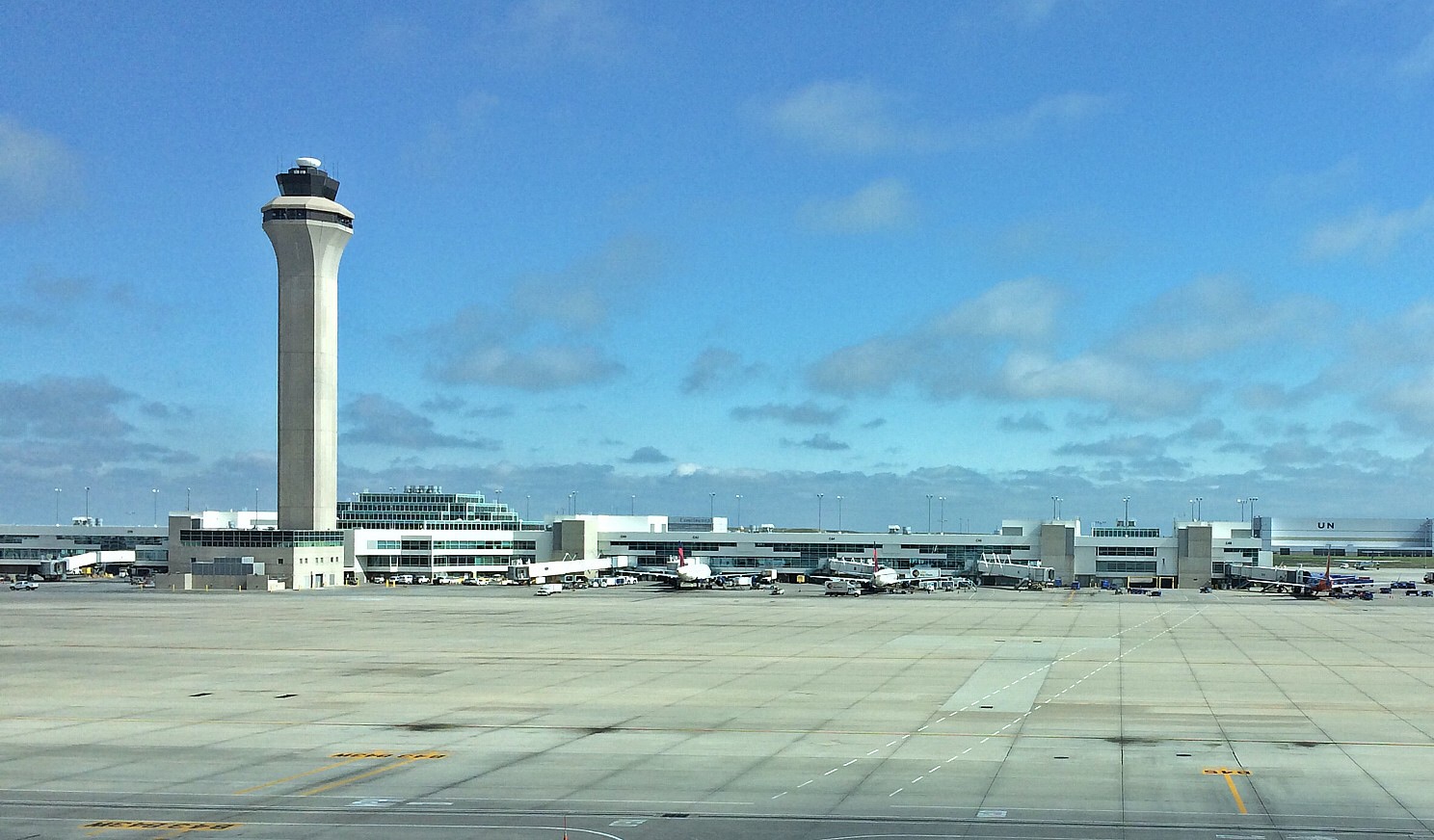
A Tribute Grounded
United Airlines has canceled a planned flyover commemorating the anniversary of the September 11, 2001 attacks, scrapping what would have been a passenger jet escorted by fighter aircraft over the Denver area. The airline pulled the plan after what it described as concerns raised within the community, according to reporting from The Denver Post and 9News.
The decision has since become a focal point of conversation across the metro area, touching on how Denver — a city whose identity is deeply intertwined with aviation through Denver International Airport and its status as a major United hub — chooses to mark one of the most painful days in modern American history.
What Was Planned, and Why It Stopped
Details on the flyover itself remain limited, but according to 9News and The Denver Post, the event was set to feature a United passenger aircraft flanked by fighter jets, a formation reminiscent of memorial flyovers seen at sporting events, national holidays, and other tributes across the country. Such displays are not unusual around September 11 anniversaries nationally, often intended to honor victims, first responders, and the passengers and crew of the four hijacked flights, including United Flight 93 and United Flight 175.
United did not lay out an extensive public explanation beyond citing concerns in the community as the reason for pulling the plan, per the Post’s reporting. The airline’s decision came together relatively quickly, and it’s unclear from public reporting exactly what specific concerns were raised or by whom — whether from residents near flight paths, local officials, aviation safety advocates, or others uneasy about the optics of a passenger jet trailed by fighter jets over a major metropolitan area.
Why Some Residents Pushed Back
For a city like Denver, the idea of a low-flying passenger aircraft escorted by military jets carries a complicated symbolism. September 11 is remembered precisely because commercial aircraft were turned into weapons. A reenactment-style flyover, even one intended as tribute, could understandably unsettle residents who associate that visual with trauma rather than remembrance.
Colorado is no stranger to public anxiety around low-flying aircraft and unexpected aviation activity — sudden or unannounced flights over populated areas have prompted concern in the past, and any activity that echoes the imagery of 9/11 itself carries a particular emotional weight. For some residents, the optics of recreating that scene, even in a controlled and clearly benign context, may have felt more distressing than commemorative.
There is also the practical safety dimension. Flyovers involving fighter jets and commercial aircraft require careful coordination, and any deviation or public unease about flight paths near a populated urban corridor can raise legitimate questions about risk versus symbolic value.
Why Others Wanted the Tribute to Go Forward
At the same time, flyovers have long served as a recognized form of public remembrance, particularly for events tied to first responders, veterans, and national tragedies. Given Denver’s role as a United hub and the airline’s direct losses on 9/11 — United Flight 93 and United Flight 175 were among the four planes hijacked that day — there is a natural argument for the airline wanting to honor its own employees and passengers who died, along with first responders and victims nationwide, through a visible public gesture in one of its largest hub cities.
For some in the community, particularly those with personal or family connections to 9/11, aviation, the military, or emergency services, a flyover represents exactly the kind of solemn, visible tribute that helps a city collectively pause and remember. Canceling it, in this view, risks quietly erasing an opportunity for shared public mourning and reflection, particularly in a place where so many residents’ livelihoods are tied to the airline industry and DIA.
A City With Deep Aviation Ties
Denver’s relationship with 9/11 remembrance is inevitably shaped by its identity as an aviation town. DIA is one of the busiest airports in the country, and United’s Denver hub employs thousands of Coloradans. That connection cuts both ways: it gives the airline and the city a legitimate stake in marking the anniversary, while also making any aviation-themed tribute more visible, more scrutinized, and potentially more fraught than it might be elsewhere.
This isn’t the first time a 9/11-related commemorative flyover has drawn scrutiny nationally, as similar tributes elsewhere have occasionally prompted debate over cost, safety, and appropriateness. But the cancellation of Denver’s specific event, and United’s characterization of the reason as community concern, places the airline in the position of having to balance remembrance with public comfort — a balance that isn’t always easy to strike, especially two and a half decades removed from the attacks, when public memory and sensitivity around the imagery of that day remain deeply personal and varied from person to person.
Broader Questions About Remembrance
The cancellation raises a broader question that extends beyond this single event: how should a city like Denver, with such deep aviation roots, memorialize 9/11 in ways that feel respectful rather than re-traumatizing? Traditional forms of remembrance — moments of silence, memorial services, flag displays, first-responder tributes — don’t carry the same visual echo of the attacks themselves. A flyover, however well-intentioned, inherently recreates an image that for many Americans is still associated with fear rather than solace.
United has not publicly detailed alternative plans for marking the anniversary in Denver following the cancellation, based on available reporting. It remains to be seen whether the airline or local officials will pursue a different form of tribute this year or in years to come.
Moving Forward
What’s clear is that the episode has sparked genuine community reflection — not necessarily division, but a real conversation about intent versus impact when it comes to public memorials. Residents who wanted the flyover saw it as a meaningful, visible way to honor victims and first responders in a city whose aviation workforce still carries that history closely. Those who raised concerns appear to have done so out of genuine unease about what the imagery might evoke, rather than indifference to the anniversary itself.
As Denver continues to grow and change, moments like this test how a modern city balances tradition, symbolism, and sensitivity around one of the nation’s most somber dates. United’s decision to stand down this year’s flyover may not be the last word on how Denver marks September 11 — but for now, the skies above the Mile High City will stay quiet on the anniversary, a choice that itself has become part of the conversation about remembrance.