
Denver Neighbors Rally to Help Families Displaced by Fire
After a deadly fire displaced Denver families, neighbors and community groups mobilize with donations, shelter and support amid a tough year for the city.
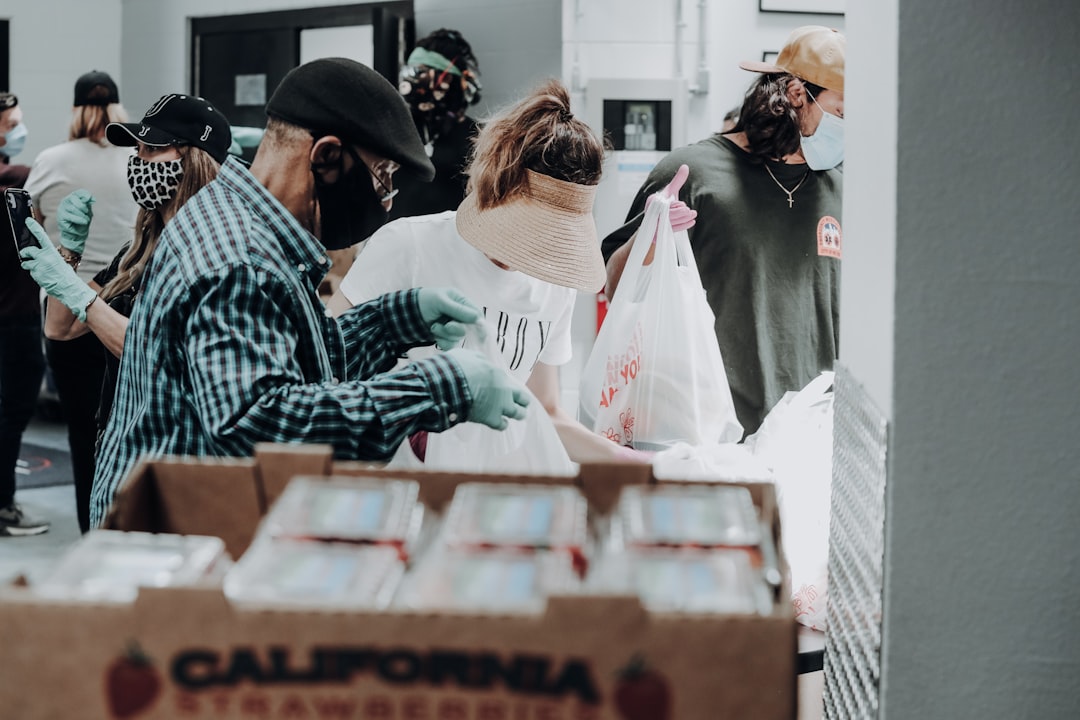
The scene has become familiar in Denver this year: charred siding, soot-streaked sidewalks, and neighbors showing up with blankets, casseroles and gift cards before city agencies can even finish their assessments. Following a deadly fire this week that displaced several Denver families, residents and local mutual aid networks have once again stepped into the gap, offering shelter, donations and emotional support even as the city grapples with a budget that officials say leaves little room for expanded emergency assistance.
A Community Response Takes Shape
Details of the fire itself remain limited as investigators continue their work, but the pattern of response has been consistent with how Denver neighborhoods have reacted to previous disasters: quickly, informally, and largely without waiting for official coordination. Social media posts calling for donated clothing, diapers and temporary housing circulated within hours, according to community organizers who have become fixtures in Denver’s post-disaster response ecosystem.
Local mutual aid groups — many of which grew out of pandemic-era neighborhood support networks and have since pivoted to respond to fires, evictions and other housing emergencies — have again organized donation drop-off points at churches, community centers and private homes. These grassroots efforts typically move faster than formal channels because they rely on existing neighborhood trust rather than intake forms or eligibility screening.
The American Red Cross of Colorado, which routinely responds to residential fires across the metro area, is among the established organizations that typically provides emergency lodging, food and basic supplies to households displaced by fire. Colorado nonprofits focused on housing stability, including groups that work with the Colorado Coalition for the Homeless, often step in during the days and weeks following a fire, when families face the challenge of finding replacement housing in a market that has left little slack for sudden, unplanned moves.
Housing Market Adds Pressure
Denver’s rental market, while showing some signs of cooling compared to the tightest years of the pandemic-era boom, still leaves displaced families with few fast options. Finding an available unit on short notice — particularly one that accepts pets, is near schools, or fits a family’s budget — remains difficult in a city where affordable housing stock has not kept pace with demand for years. For families who lost not just a home but documents, furniture and savings in a fire, the challenge of re-establishing housing within days is compounded by a market that rewards those with time, credit history and cash on hand.
That reality is part of why neighbor-to-neighbor support has become so central to disaster recovery in Denver. Where formal systems move on a timeline dictated by paperwork and funding cycles, informal networks can hand over a bag of groceries or a spare room the same day.
City Budget Constraints Complicate Formal Aid
The community mobilization comes against the backdrop of a tightening municipal budget. Denver Mayor Mike Johnston this week unveiled the city’s 2027 budget proposal after what the Denver Gazette described as weeks of warnings about difficult financial choices ahead. City officials have signaled that departments across the board, including those tied to housing and emergency services, will need to operate with tighter margins in the coming year.
That fiscal reality limits how much direct, sustained assistance the city can offer displaced families beyond initial emergency response. While Denver’s Office of Emergency Management and partner agencies typically coordinate immediate safety needs after a fire — including temporary shelter referrals — the deeper, longer-term recovery work of finding permanent housing, replacing lost belongings and covering unexpected costs often falls to nonprofits, faith communities and neighbors rather than city coffers.
This gap between immediate emergency response and long-term recovery support has become a recurring theme in Denver’s disaster response conversations. City leaders have acknowledged that budget pressures — driven by a mix of slowing revenue growth and rising costs across public safety, homelessness services and infrastructure — leave less flexibility for the kind of sustained, family-by-family case management that full recovery from a house fire often requires.
A Tough Year for Denver
The fire and its aftermath land in a year that has already tested Denver’s civic resilience on multiple fronts. The city has seen a string of violent crime cases make headlines in recent days, including a fatal shooting stemming from a verbal altercation reported by The Denver Post and a metro-area crime spree that led to multiple arrests coordinated by Aurora police and a regional task force, according to Sentinel Colorado. Denver7 also reported an RTD N Line train striking a Thornton Police Department truck at the scene of a separate deadly shooting last month.
Against that backdrop of strained public safety resources and now a budget season defined by warnings of tough choices, the fire displacing multiple families adds another layer of urgency to conversations about how the city supports residents in crisis. For many Denverites, the response has reinforced a familiar civic instinct: when official systems are stretched thin, neighbors fill in where they can.
What Comes Next
As of this week, the immediate needs — shelter, food, clothing and basic supplies — appear to be largely met through the combined efforts of the Red Cross, local nonprofits and informal neighborhood donation drives. The harder, longer-term questions remain open: where displaced families will ultimately land in a housing market that offers little forgiveness for sudden loss, and how much support the city will be able to offer as it works within a leaner 2027 budget.
Community organizers say they expect the informal support networks that mobilized this week to stay engaged in the coming weeks, helping families navigate insurance claims, temporary housing applications and the slow process of rebuilding. Residents interested in helping are encouraged to check with established organizations such as the American Red Cross of Colorado or local community centers for verified donation and volunteer opportunities, rather than relying solely on unverified social media appeals.
For now, the fire serves as another reminder of a pattern that has repeated across Denver in recent years: when disaster strikes, it is often neighbors — not city budgets — who arrive first, and stay longest.