After Deadly Fire, Neighbors Rally to Help Displaced Families
A fatal house fire that spread to nearby motor homes northeast of Denver has prompted neighbors and aid groups to step up support for displaced residents.
A Fire That Spread Beyond One Home
A house fire northeast of Denver turned deadly this week, killing one person after flames jumped from a residential structure to nearby motor homes, according to a CBS News report published Wednesday. The blaze has left multiple households displaced and prompted an outpouring of support from neighbors and local aid organizations even as basic questions about the fire — including its cause, its exact location, and the identity of the person who died — remain unanswered.
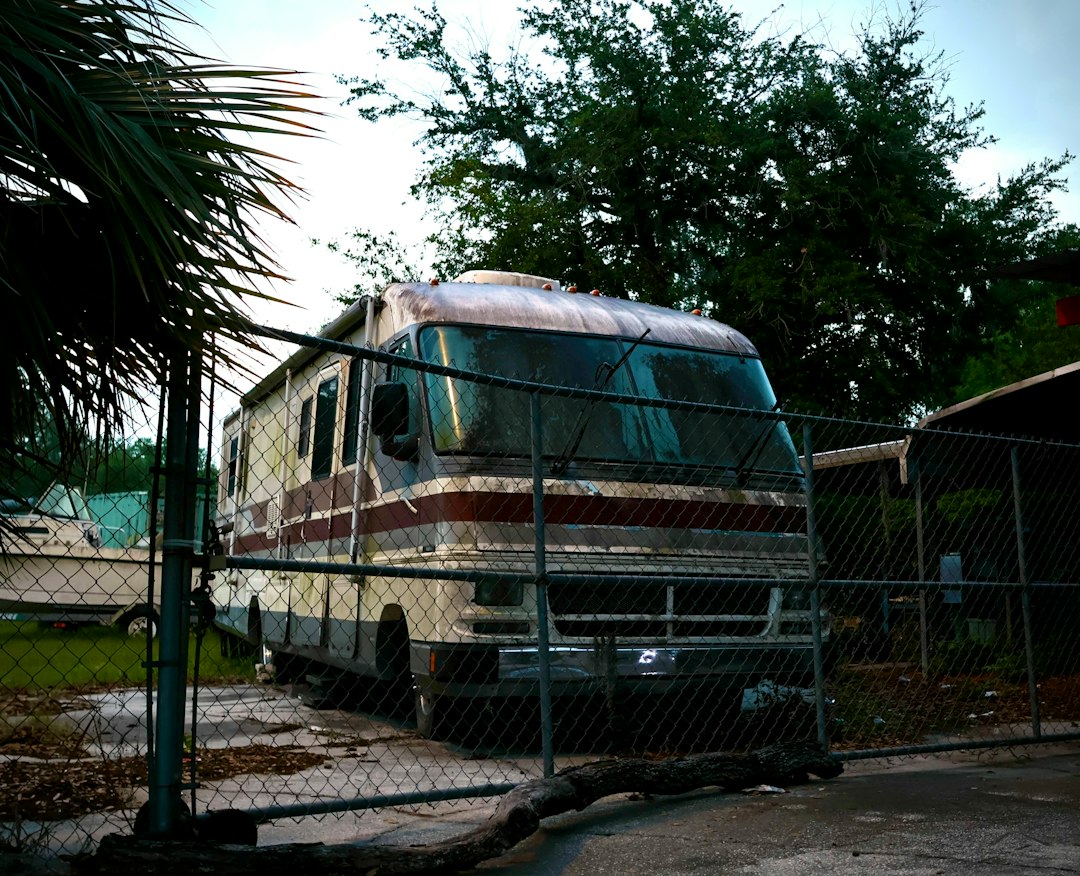
The limited details available so far underscore how quickly a single structure fire can escalate into a broader neighborhood emergency, particularly in areas where manufactured homes and motor homes sit close together. What began as a fire at one house spread to nearby motor homes, according to CBS News, turning a single-address emergency into a multi-family displacement event.
What We Know — And What We Don’t
As of this week, confirmed facts are limited but serious: one person died in the fire, and the flames extended from the original house to motor homes in the vicinity, according to the CBS News report. Fire crews responded to contain the blaze, but the outlet’s reporting did not specify the precise location northeast of Denver, the cause of the fire, or the name of the victim.
That scarcity of detail is not unusual in the immediate aftermath of a fatal fire, especially one in an unincorporated area outside Denver’s city limits, where jurisdiction can be split among multiple fire protection districts, county sheriff’s offices, and emergency management agencies. Investigations into fire origin and cause typically take days or weeks, and authorities often withhold victim identification until next of kin have been notified. Front Range Report will update this story as more information becomes available from investigators.
Neighbors Step Up
In the absence of full official details, the human response has moved faster than the paperwork. Community members near the fire scene have reportedly begun organizing informal support for displaced families — a pattern consistent with how Front Range communities have historically responded to residential fires, from collecting clothing and household goods to offering temporary housing.
Organizations such as the American Red Cross routinely respond to residential fires of this scale, providing emergency lodging, food, and basic necessities to families who lose their homes with little or no notice. The Red Cross’s Colorado chapter typically deploys volunteers within hours of a reported structure fire, particularly when multiple households are affected, as appears to be the case here given the fire’s spread into neighboring motor homes.
Local fire departments in the metro area also frequently rely on mutual aid agreements, in which departments from neighboring jurisdictions send personnel and equipment to assist when a fire exceeds the capacity of the first-responding agency. Given that this fire occurred northeast of Denver — likely in unincorporated Adams County or a similar area — mutual aid from surrounding fire districts may have played a role in containing the blaze, though CBS News’s initial report did not detail which specific departments responded.
The Vulnerability of Manufactured-Home Communities
The fire’s spread from a house to nearby motor homes highlights a recurring concern among fire safety officials across Colorado and the country: manufactured and mobile home communities, along with clusters of recreational vehicles or motor homes, can be especially susceptible to rapid fire spread. Structures are often positioned close together, and older manufactured homes may lack the fire-resistant materials and modern electrical systems found in newer construction.
Fire officials nationally have long noted that manufactured homes can burn faster and hotter than traditional site-built houses, in part due to lightweight construction materials and, in many cases, aging electrical or heating systems. When such homes are clustered near motor homes — which can contain propane tanks, fuel lines, and other flammable components — the risk of a single fire cascading into a multi-structure emergency increases significantly.
This dynamic raises broader questions for Denver-area residents about fire safety standards, defensible space between structures, and emergency preparedness in manufactured-home communities, particularly those in unincorporated areas where oversight and resources can differ from those within city limits. Whether this specific fire highlights any of those systemic vulnerabilities is not yet known, since the cause has not been publicly disclosed.
A Pattern of Difficult Weeks in the Metro Area
The fatal fire arrives amid a string of difficult news for the Denver area. In the same week, The Denver Post reported a fatal shooting in Denver stemming from a verbal altercation, and 9News reported that two people were arrested after a Denver couple was shot during a home jewelry store robbery. The Denver Gazette also reported that eight suspects were arrested — with two still at large — in connection with hundreds of violent crimes across the metro area, an operation that involved a regional task force according to Sentinel Colorado’s coverage of Aurora police’s role in the investigation.
While these stories are unrelated to the house fire itself, they reflect a broader sense among metro-area residents that public safety — from crime to fire risk — has been a persistent concern this summer and early fall. Denver City Council’s ongoing discussions about funding for Denver Health and the city’s Municipal Sentencing Working Group similarly point to a local government grappling with resource allocation across public safety and public health needs.
What Comes Next for Displaced Families
For the families displaced by this week’s fire, the immediate priority is shelter, clothing, and basic necessities — needs that neighbors and aid groups appear to be moving quickly to address, even without full clarity on the fire’s cause or scope. Longer term, displaced residents will likely face the more complicated process of determining whether their homes are salvageable, navigating insurance claims (particularly complicated for owners of motor homes and manufactured housing, which are sometimes insured differently than traditional site-built homes), and finding permanent replacement housing in a metro-area rental market that remains tight and expensive.
Front Range Report reached out to gather additional details on the fire’s location, cause, and the identity of the victim, but as of publication, official sources have not released further information. We will continue to follow this story and provide updates as investigators release findings and as community relief efforts develop.
How to Help
Residents interested in supporting displaced families in the wake of a residential fire are typically encouraged to donate through established organizations like the American Red Cross of Colorado rather than through informal, unverified fundraising efforts, which can sometimes be difficult to trace back to actual victims. Local fire departments and county emergency management offices can also often direct community members toward verified relief efforts tied to specific incidents.
As more details emerge about the cause of this fire and the identities of those affected, this story will be updated to reflect confirmed information from fire investigators and local authorities.