Denver's 40-Degree Swing: From 93° to Snow, Fall Events Adapt
A record-setting temperature plunge from summer heat to September snow is forcing Denver event organizers to scramble as fall festival season kicks off.
A Season of Extremes
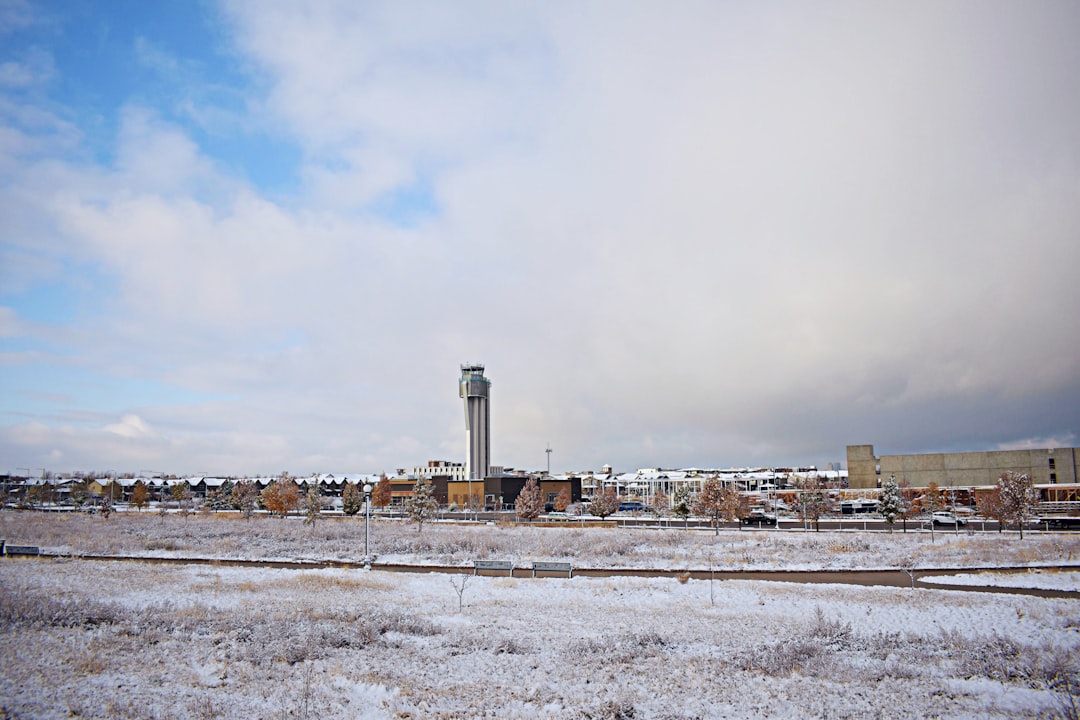
Denver residents got a jarring reminder this week of just how fast Colorado weather can turn. According to CBS News, the city hit a high of 93 degrees before snow fell the very next day — a temperature swing of roughly 40 degrees or more within a 24-hour window. For a city accustomed to rapid weather shifts, it was still a standout event, arriving right as the region’s fall festival season kicks into gear.
The whiplash conditions come during what has already been a volatile stretch of weather across Colorado. Just weeks earlier, in early August, Colorado Public Radio reported on smoky skies blanketing the Front Range, driven by wildfire activity across the West. That smoke has lingered in the backdrop of daily life even as temperatures have swung wildly from summer highs to an early taste of winter.
Fire Still Burning to the North
Adding to the sense of a state on edge weather-wise, the Burnett Gulch fire north of Lyons remains active, with The Denver Post reporting it was at 20% containment as of Monday. While officials describe the fire as small, its persistence — combined with the smoky skies that have periodically settled over the metro area — underscores how fire season and increasingly erratic temperature patterns are now overlapping in ways that affect everything from air quality advisories to outdoor event planning.
For event organizers, the combination of smoke, fire risk, and a sudden plunge from summer to snow creates a logistical puzzle that didn’t exist in the same way a decade ago. Denver’s fall calendar is built around outdoor gatherings — beer gardens, art walks, farmers markets — and each of those now comes with an added layer of contingency planning.
Fall Events Forge Ahead
Denver’s fall event season is already underway. LoDo’s Oktoberfest, a longstanding tradition in the Lower Downtown district, draws crowds for stein-hoisting competitions, live music and beer garden festivities held largely outdoors along Market Street. First Friday Art Walks, which bring foot traffic through the Santa Fe Art District and other gallery corridors, similarly depend on comfortable outdoor conditions to keep visitors moving between venues.
These events are designed around Colorado’s famously unpredictable but generally mild early autumn weather. A 93-degree day followed by snowfall represents an extreme version of the swings organizers have long had to plan for, but it raises the stakes. Vendors who might set up canopies for sun protection one day could find themselves facing wind and wet conditions the next. Attendees dressed for a warm evening out can be caught off guard if temperatures drop precipitously overnight or during an event itself.
While Front Range Report has not identified specific statements from Oktoberfest or First Friday organizers regarding this particular temperature swing, the broader pattern reflects a challenge event planners across the region have increasingly had to navigate: outdoor festivals scheduled months in advance now often require flexible staging, weather contingencies, and communication plans that can pivot quickly when forecasts shift.
Practical Adaptations
For residents planning to attend fall festivities in the coming weeks, the swing serves as a practical reminder to check forecasts close to event day rather than relying on seasonal averages. Layering has long been a Colorado wardrobe staple, but a 40-degree-plus swing within 24 hours pushes that advice from casual suggestion to near necessity.
Event organizers across the metro area typically build weather contingencies into permits and planning documents, including options for tent coverage, heating elements for beer gardens, and clear communication channels — often through social media or event apps — to notify attendees of last-minute changes. Whether such measures were activated specifically in response to this week’s swing has not been detailed in available reporting, but the broader trend of increasingly variable early-fall weather in Colorado suggests these contingencies are being tested more frequently than in past years.
A Broader Pattern of Volatility
Meteorologists and climate researchers have long noted that Colorado’s location — at the convergence of multiple air masses and influenced by both mountain and plains weather systems — makes it prone to rapid temperature swings, particularly during transitional seasons like early fall. What makes this week’s swing notable is less its novelty and more its magnitude, paired with the fact that it arrived amid ongoing wildfire smoke concerns and an active fire still burning in Boulder County.
Taken together, the smoky skies reported by Colorado Public Radio, the ongoing containment efforts at Burnett Gulch, and the sudden temperature crash reported by CBS News paint a picture of a Colorado fall season defined as much by volatility as by the crisp, golden-aspen imagery the season is known for. For a state whose economy and culture lean heavily on outdoor recreation and events, that volatility is becoming a planning variable in its own right.
Looking Ahead
As LoDo’s Oktoberfest continues and First Friday Art Walks roll on through the fall, Denver residents can expect more of the same unpredictability that has characterized the season so far. Whether the city sees another rapid swing between summer-like heat and wintry precipitation remains to be seen, but this week’s events serve as a vivid illustration of why Colorado’s fall reputation for “if you don’t like the weather, wait five minutes” continues to ring true — sometimes with stakes as high as 40 degrees.
For now, organizers and attendees alike are being encouraged to stay weather-aware, dress in layers, and keep an eye on both the forecast and any air quality advisories tied to the Burnett Gulch fire or broader regional smoke conditions as fall festival season continues across the Denver metro area.