
Denver's Fall Event Season Opens Amid Calls for More Safety
As LoDo Oktoberfest and First Friday Art Walks kick off Denver's fall calendar, organizers and residents weigh safety plans after a violent stretch.
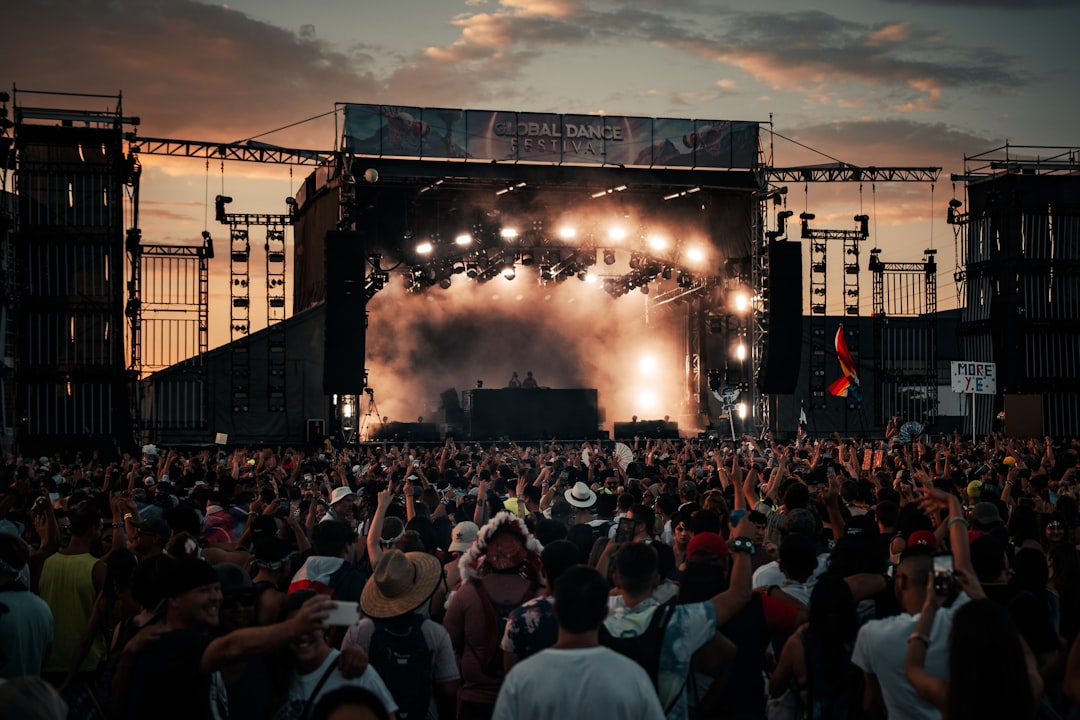
A Season of Celebration, Under Watchful Eyes
Denver’s fall event calendar has officially opened, with LoDo Oktoberfest and the return of First Friday Art Walks drawing crowds back into the city’s historic districts. But this year, the festive atmosphere is tempered by a heightened sense of caution among residents, business owners, and city officials alike, following a stretch of high-profile violent incidents that have rattled public confidence across the metro area.
The timing is notable. Just days before the season’s kickoff events, Denver saw a shooting in the Park Hill neighborhood that left one person dead and two injured, according to reporting from CBS News and The Denver Post. A brief hostage situation unfolded at a 7-Eleven convenience store, ending in an arrest, 9News reported. And a student protest over ICE enforcement turned violent in Denver, according to the Colorado Springs Gazette. Add to that a Lakewood murder-suicide involving two teenagers and a bizarre incident in which a Denver entrepreneur was injured after a stolen truck struck their vehicle, and it’s easy to understand why safety, not just seasonal cheer, is dominating conversations ahead of large public gatherings.
Organizers Emphasize Normalcy — and the Economic Stakes
For event organizers behind LoDo Oktoberfest and the First Friday Art Walks in neighborhoods like the Santa Fe Art District and RiNo, the message has largely been one of continuity. These events represent significant economic activity for local bars, restaurants, breweries, and galleries that depend on foot traffic during the fall months. Organizers have generally framed this year’s events as business-as-usual, arguing that canceling or scaling back would hand a symbolic victory to the disorder that has otherwise dominated headlines.
That framing isn’t without merit. Downtown Denver’s hospitality sector has spent years rebuilding from pandemic-era slowdowns, and events like Oktoberfest — with its beer gardens, vendor booths, and street closures along Larimer and Market streets — are a major draw for both locals and tourists. Art walk organizers similarly point to the cultural and economic value of keeping galleries and studios open to the public on First Fridays, arguing that vibrant street life is itself a deterrent to crime, not an invitation for it.
Residents Weigh Enthusiasm Against Caution
Not everyone shares that confidence. Interviews and social commentary circulating around the recent Park Hill shooting and the 7-Eleven hostage incident reflect a broader unease among Denver residents about attending large, densely packed public events this fall. The proximity of these incidents to popular entertainment corridors — Park Hill is a short drive from City Park and the East Colfax business strip, both adjacent to weekend foot traffic — has made some attendees more hesitant about lingering late into the evening or bringing children to street festivals.
This caution isn’t unique to Denver. ABC News reported that nine separate mass shootings occurred across the United States over a single weekend in early September, leaving nine dead and 60 injured nationwide. That backdrop has left many Coloradans processing local violence as part of a larger, unsettling national pattern rather than an isolated Denver problem — which complicates simple narratives about the city being uniquely unsafe, even as local incidents understandably drive local anxiety.
Neighborhood business associations in areas hosting fall events have reportedly fielded increased questions from vendors and patrons about security staffing, lighting, and police visibility — a shift from previous years when logistics conversations centered more on parking and vendor permits than personal safety.
City Officials Point to Police Presence and Council Oversight
City officials have sought to reassure the public that public safety resources are being directed toward scheduled events. According to Denver City Council’s published schedule for the week of September 7, 2026, council business this session includes hearings and agenda items tied to city operations, though specific line items dedicated solely to event security funding were not detailed in the public calendar. City leaders have generally pointed to established protocols requiring police coordination for permitted street events like Oktoberfest and the art walks, which typically include officer presence, barricaded routes, and coordination with the Denver Police Department’s special events unit.
Still, public trust in that reassurance is being tested. A recent Denver Gazette report found that favorability ratings for Mayor Mike Johnston and the Denver City Council have slid in recent polling, suggesting that residents’ confidence in city leadership’s ability to manage public safety and other pressing issues is wavering. That erosion in trust adds a layer of skepticism to official statements about event security, even when police presence is, in fact, increased.
Context: A City on Edge
It’s worth noting that the current unease isn’t solely about street festivals. The violent turn of the ICE-related student protest in Denver, along with the sentencing of a Venezuelan man connected to the Tren de Aragua criminal organization for an armed robbery of a Denver jewelry store, have both fed into a broader narrative of instability that residents are watching closely. Neither of those stories is directly tied to LoDo Oktoberfest or First Friday art walks, but they form part of the emotional and political backdrop against which this year’s fall events are unfolding. When residents weigh whether to attend a crowded outdoor festival, they’re not just thinking about that specific event — they’re processing a summer’s worth of unsettling headlines.
Weather has added its own unpredictability to the season. CBS News reported the return of monsoonal moisture bringing the possibility of severe storms to the Denver area, while CPR News noted unusually smoky skies earlier in August tied to regional wildfire activity. Neither factor is a security concern, but both underscore how many variables — beyond crime — organizers must account for when planning large outdoor gatherings.
Balancing Community and Caution
Ultimately, Denver’s fall event season reflects a familiar tension in cities nationwide: the desire to preserve communal, economically vital traditions against a backdrop of genuine public safety concerns. Event organizers argue that pulling back only cedes public space; cautious residents argue that leadership needs to do more to earn back confidence before asking people to gather in large crowds. City officials, for their part, are leaning on established police coordination for permitted events, even as broader trust in city governance shows signs of strain.
For now, LoDo’s beer gardens and the studios of the Art District on Santa Fe remain open for business, filled with a mix of determined revelers and watchful skeptics. How the rest of the season unfolds — and whether safety concerns ease or intensify — will likely shape not just this year’s event turnout, but the tone of Denver’s civic conversation heading into the winter months.