Denver's First Friday Art Walks Return for Fall Season
Santa Fe Arts District and RiNo galleries open doors for Denver's popular First Friday Art Walk as the fall event calendar kicks into gear.
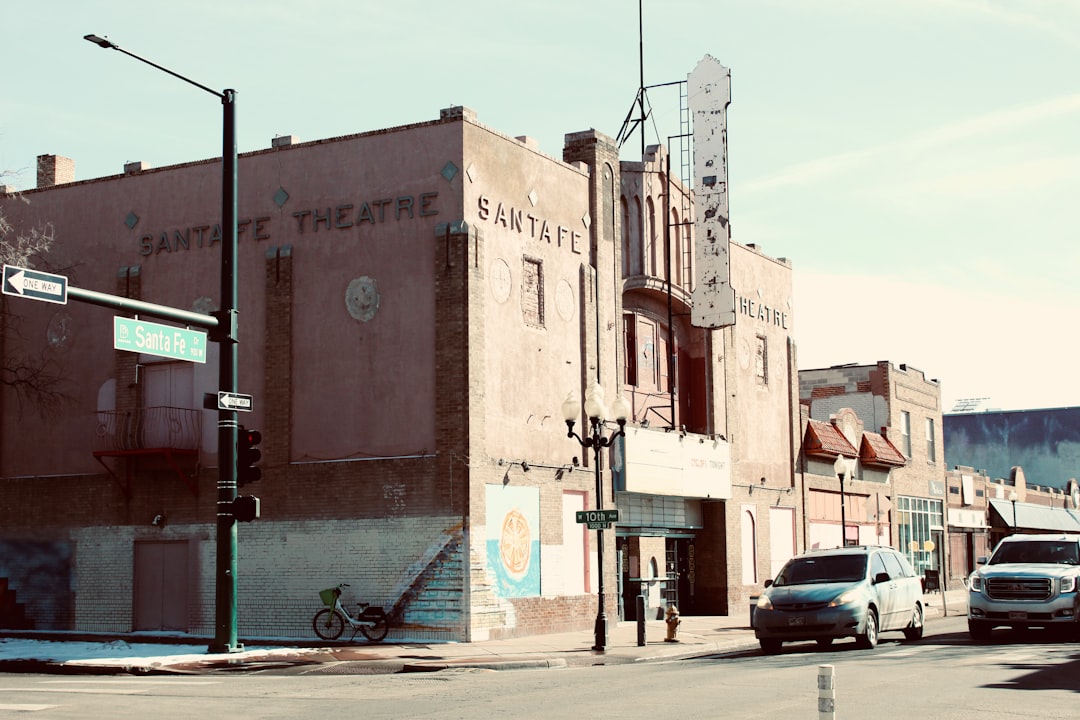
As autumn settles over Denver and the evening air turns crisp, two of the city’s most vibrant creative corridors are gearing up for another season of open studios, gallery receptions and sidewalk strolling. The Art District on Santa Fe and the RiNo Art District will once again host their First Friday Art Walks this fall, continuing a tradition that has become a cornerstone of Denver’s monthly cultural calendar for well over two decades.
A Longstanding Denver Tradition
First Friday Art Walks are exactly what they sound like: on the first Friday of each month, galleries, studios and creative businesses throw open their doors — often free of charge — inviting residents and visitors to wander from block to block, sip a drink, meet local artists and take in new exhibitions. The Art District on Santa Fe, stretching along Santa Fe Drive roughly between 6th and 10th avenues, has anchored this ritual in Denver for years, while the RiNo Art District (short for River North), just northeast of downtown, has built its own reputation around murals, industrial-chic galleries and a younger, more experimental gallery scene.
Both districts operate independently but share the same basic model: no cover charge, no reservations, just a self-guided walk through participating spaces. That accessibility is central to the event’s enduring popularity. Families with strollers, college students, retirees and out-of-town visitors all mix together on the sidewalks, making First Fridays one of the more genuinely intergenerational, low-cost social outings on Denver’s monthly events roster.
Fitting Into a Packed Fall Calendar
The return of First Friday Art Walks comes as Denver’s fall event season kicks into high gear. LoDo Oktoberfest and Taste of Colorado have already drawn crowds downtown this year, giving residents plenty of options for how to spend a weekend. Unlike those larger, ticketed or beer-garden-centric festivals, the Art Walk offers something different: a free, walkable, community-driven experience that doesn’t require a wristband or an entry fee, and that rewards repeat visits since the artwork and installations change every month.
For many Denverites, that variety is the appeal. Where Oktoberfest and Taste of Colorado are one-off seasonal spectacles, First Fridays are a recurring rhythm — a reason to check in on a neighborhood gallery, discover a new muralist, or simply get outside on a fall evening before winter closes in. Local business owners in both districts have long pointed to the Art Walk as a reliable driver of foot traffic on nights that might otherwise be slow, benefiting not just galleries but the coffee shops, restaurants and boutiques that share the same blocks.
Small Businesses and Local Artists Benefit
The economic ripple effect of First Fridays extends beyond gallery sales. Restaurants and bars along Santa Fe Drive and in RiNo often see a bump in evening business on Art Walk nights, and many food trucks and pop-up vendors have made the monthly event part of their regular rotation. For emerging artists, the Art Walk offers something harder to quantify but just as valuable: visibility. Galleries in both districts frequently use the event to debut new shows or spotlight artists who might not otherwise get wall space in a commercial gallery, giving working artists in Denver a rare, low-barrier venue to reach an audience.
That accessibility has helped both districts cultivate reputations as incubators for Denver’s creative community — spaces where an artist can show alongside established names one month and a first-time exhibitor the next.
The Gentrification Question
But the same qualities that make the Art District on Santa Fe and RiNo attractive to gallery-goers have also made them flashpoints in Denver’s broader conversation about gentrification and rising costs. Both neighborhoods have seen significant redevelopment over the past decade, with new apartment buildings, breweries and retail spaces reshaping areas that were once home to working-class residents, longtime Latino communities in the case of Santa Fe Drive, and industrial warehouses in RiNo. Rising commercial rents have pushed out some of the smaller galleries and studios that helped build the districts’ reputations in the first place, a tension that has played out in cities across the country as arts districts become victims of their own success.
Critics argue that the same foot traffic and cultural cachet generated by events like First Friday can accelerate property value increases, ultimately pricing out the very artists and small business owners who made the neighborhoods appealing destinations to begin with. Supporters counter that the Art Walk itself is not the driver of redevelopment so much as one of the few remaining forces keeping these districts rooted in their creative, community-oriented identity amid broader development pressures. Both perspectives reflect real and ongoing debates among Denver residents, artists and city planners about how to balance neighborhood growth with affordability and cultural preservation — a conversation unlikely to be settled anytime soon.
What to Expect This Fall
For residents looking to take part, the format remains simple: show up in either district on the first Friday evening of the month, park where you can (or better yet, take light rail or a bike), and follow the crowds from gallery to gallery. Many spaces stay open into the evening hours, and both districts typically see a mix of formal gallery shows, working studio visits and impromptu street-level art displays.
As Denver’s fall calendar fills out with festivals, farmers markets and seasonal events, First Friday Art Walks offer a lower-key but no less meaningful entry point into the city’s cultural life — one that costs nothing to attend and changes every month. Whether that tradition can continue to coexist comfortably with the economic pressures reshaping Santa Fe Drive and RiNo remains an open question, but for now, the galleries are opening their doors again this fall, just as they have for years.