
Colorado Fall Colors 2026: Peak Foliage Dates and Best Spots
When and where to catch Colorado's 2026 fall colors, from Front Range foothills to mountain passes, plus tips for beating crowds.
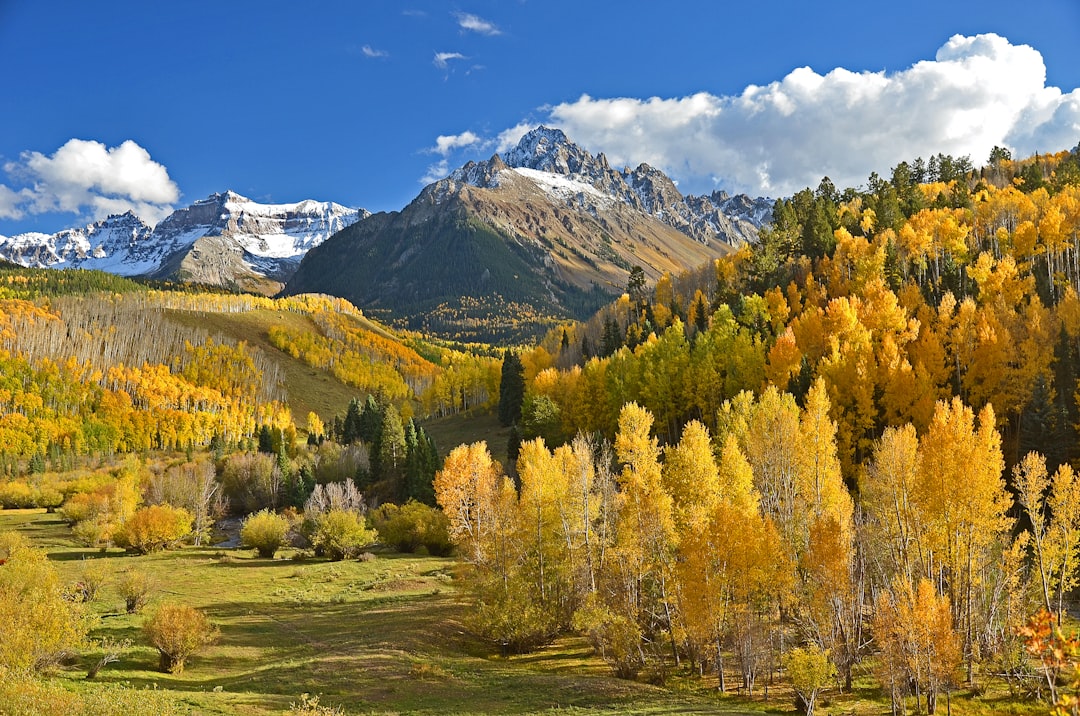
As Labor Day approaches and the calendar edges toward September, Coloradans are already turning their attention to one of the state’s most beloved annual rituals: watching the mountainsides ignite in gold, amber and crimson. According to a fall colors forecast published by KDVR on Aug. 28, the state’s aspen groves and high-country shrublands are on track for another spectacular, if slightly complicated, autumn display.
For Front Range residents planning weekend drives into the high country, timing and location matter — and this year, an unusually smoky and dry summer could put a subtle twist on the show.
When to Expect Peak Colors
Colorado’s fall color season doesn’t hit all at once. It rolls downhill, starting at the highest elevations in early September and working its way toward the foothills and lower valleys by early-to-mid October. The state’s iconic aspen groves — the golden quaking aspens that blanket mountainsides from Steamboat Springs to Telluride — typically begin turning above 9,000 feet in the first two weeks of September, according to the KDVR forecast.
Front Range leaf-peepers who don’t want to drive far should watch the high alpine passes first. Areas like Guanella Pass, between Georgetown and Grant, and Kenosha Pass, along U.S. 285 near the top of the South Park basin, are consistently among the earliest and most reliable spots to catch peak aspen color, often turning in mid-to-late September. As the weeks progress, color descends to mid-elevation zones like Golden Gate Canyon State Park and eventually to lower-elevation, in-town spots such as Flagstaff Mountain above Boulder, which tends to peak in early-to-mid October.
As always with Colorado’s famously variable mountain weather, the exact peak week can shift by several days depending on overnight temperatures, moisture and elevation, so weekend planning should stay flexible.
Where to Go from Denver
For Denver-area residents without a lot of windshield time to spare, several classic drives remain the go-to options:
Guanella Pass — A roughly two-hour round trip from Denver via Georgetown, this scenic byway is one of the most photographed aspen corridors in the state and one of the earliest to peak each year.
Kenosha Pass — Easily reached via U.S. 285, Kenosha Pass offers sweeping views over South Park along with dense aspen groves right along the highway and popular hiking trails just off the road.
Golden Gate Canyon State Park — Closer to the metro area, this park near Golden offers accessible trails and overlooks with mixed aspen and pine, making it a solid option for families or those short on time.
Flagstaff Mountain, Boulder — For an in-town option, Flagstaff’s mix of ponderosa pine and pockets of aspen and scrub oak typically turns later in the season, extending the leaf-peeping window into October for those who missed the high-country peak.
Farther afield, the Maroon Bells near Aspen and the San Juan Mountains around Telluride and Ouray remain the state’s most iconic — and most crowded — fall destinations, drawing visitors from across the country during peak weeks.
How Drought and Smoke Could Shape the Season
This year’s foliage forecast comes with an asterisk. Colorado experienced a notably smoky summer, with Colorado Public Radio reporting in early August on hazy skies blanketing the Front Range and mountain communities amid regional wildfire smoke. Combined with drier-than-average conditions across parts of the state, that stress can influence how vibrant — and how long-lasting — this year’s color show turns out to be.
Drought stress can cause aspen leaves to turn brown and drop early rather than progressing through the fuller yellow-to-orange color cycle Colorado is known for. Smoke and haze, meanwhile, can dull the visual clarity of mountain vistas, an issue familiar to anyone who tried to photograph the Rockies during smoky stretches this summer. Whether this year’s color intensity fully lives up to past seasons will depend heavily on September moisture and temperature swings, according to the outlook detailed by KDVR.
Recent severe weather has also been a factor in the region this summer. FOX21 News Colorado reported hail damage across parts of the Denver area in mid-August, a reminder that Colorado’s mountain and foothill weather can turn quickly and dramatically — a relevant consideration for anyone planning a fall road trip through canyon roads or high passes where storms can roll in with little warning.
Beating the Crowds
Fall color season is one of the busiest tourism windows in the Colorado high country, and popular pullouts on Guanella Pass, Kenosha Pass and the roads into Aspen and Telluride can see heavy weekend traffic, particularly during the narrow peak week. A few practical strategies can help:
- Go on weekdays if possible. Weekend crowds at prime viewing spots can mean packed parking lots and slow-moving traffic on narrow mountain roads.
- Arrive early. Morning light is often better for photography, and lots at trailheads and scenic overlooks fill quickly by mid-morning on weekends.
- Check road and trail conditions before heading out. Given this summer’s mix of drought stress, smoke and hail activity, conditions on unpaved mountain roads and trails can vary. Checking current conditions with local ranger districts or state park offices before departure is worthwhile.
- Consider less-famous routes. While Maroon Bells and Kenosha Pass get most of the attention, plenty of lower-traffic aspen groves exist throughout Colorado’s national forests for those willing to explore beyond the postcard spots.
The Bigger Picture
Fall foliage season remains one of Colorado’s signature outdoor traditions, drawing both locals and out-of-state visitors into the mountains during a relatively short window each year. This year’s forecast suggests the show will go on largely as expected, even as drought and wildfire smoke add uncertainty to how vivid — and how long — the color will last.
For Denver-area residents, the practical takeaway is simple: keep an eye on the high passes starting in early September, be ready to adjust plans based on weather, and expect the color to work its way down toward the Front Range foothills through late September and into October. As always in Colorado, the mountains will set their own schedule — leaf-peepers just need to be ready to follow it.