
Blood Moon Lunar Eclipse Draws Front Range Skywatchers Outside
Colorado skies delivered a rare blood moon this week, prompting Denver-area stargazing gatherings despite lingering wildfire smoke haze.
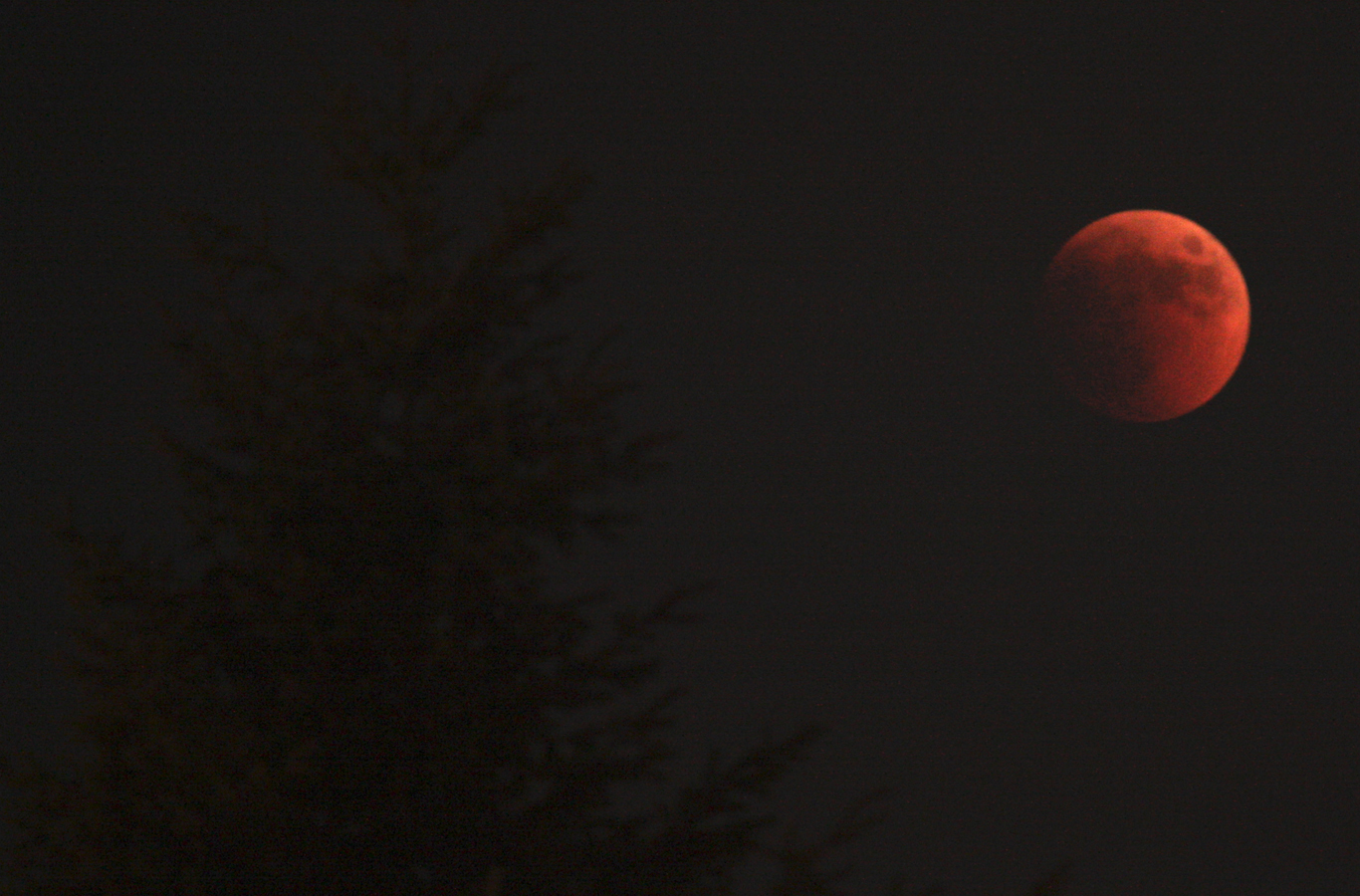
A Rare Sight in Colorado Skies
This week, Front Range residents had a reason to look up. A total lunar eclipse — commonly nicknamed a “blood moon” for the reddish-orange glow the moon takes on as it passes through Earth’s shadow — was visible across Colorado, according to reporting from KDVR/FOX31 Denver on the eclipse’s timing and viewing window. The celestial event drew stargazers to parks, observatories and backyard patios throughout the metro area, offering a communal moment of skyward wonder amid an otherwise busy news week in Denver.
The blood-moon effect occurs during a total lunar eclipse, when the Earth passes directly between the sun and the moon. Rather than going completely dark, the moon takes on a copper-red hue because sunlight filtering through Earth’s atmosphere bends around the planet and casts a reddish light onto the lunar surface — the same phenomenon responsible for red sunrises and sunsets. KDVR’s coverage detailed the specific timing for Colorado viewers, giving early risers and night owls alike a window to catch the moon’s transformation.
Gathering Spots Across the Metro
While there were no organized citywide events specifically tied to the eclipse, several of Denver’s usual astronomy hubs saw increased foot traffic as word of the blood moon spread on social media and local news broadcasts.
City Park, home to the Denver Museum of Nature & Science and the historic Chamberlin Observatory a few blocks south in the University of Denver’s Observatory Park neighborhood, has long served as an informal gathering point for Denver skywatchers during major astronomical events. Chamberlin Observatory, operated in partnership with the Denver Astronomical Society, regularly opens its 1890s-era telescope dome to the public for eclipses, meteor showers and planetary viewing nights, making it a natural draw for residents hoping to get a closer look at the reddened moon.
Farther west, the foothills near Red Rocks Park and Amphitheatre offered another popular vantage point. The elevation and open horizon lines in that part of Jefferson County have made the foothills a go-to location for Denver-area photographers and casual observers looking to escape city light pollution during celestial events. Backyard viewing parties, meanwhile, appeared to be the most common way locals took in the show — telescopes, lawn chairs and phone cameras propped up in driveways and on rooftop decks across neighborhoods from Wash Park to Stapleton.
Wildfire Smoke Complicated the View
Not everyone got a clean look. Regional wildfire smoke, which has been affecting Colorado’s air quality and visibility for much of the summer, lingered over parts of the Front Range and likely dulled the eclipse’s colors for some viewers. Colorado Public Radio reported earlier in August on why Colorado skies had turned hazy, tying the smoky conditions to wildfires burning across the West and the way smoke particles drift into the state and settle along the Front Range under certain weather patterns.
That haze has become a familiar late-summer nuisance for Coloradans, muting mountain views, triggering air quality alerts, and — for skywatchers this week — potentially softening the vivid red-orange tones that make a blood moon so visually striking. Photographers hoping for crisp, high-contrast images may have found the moon looking more muted or hazy than in previous eclipses, depending on smoke concentration in their specific location at the time of the event.
Despite the atmospheric interference, the eclipse remained visible to the naked eye across most of the metro area, and reports on social media suggested plenty of Denver residents still managed to catch at least a partial view of the moon’s shift into shadow.
A Bright Spot Amid a Heavy News Week
The lunar eclipse offered a rare moment of shared, low-stakes community interest during a week dominated by heavier local headlines — including an Army Black Hawk helicopter that went down in the foothills west of Denver in what officials called an aviation mishap, the death of an Englewood mayor pro tem while hiking in the Colorado mountains, and ongoing coverage of a fatal shooting investigation involving a Denver teenager. Against that backdrop, the blood moon gave residents a chance to step outside, look up and connect with neighbors over something apolitical and awe-inspiring.
Astronomy-focused gatherings like these have increasingly become informal community events in their own right, even without official sponsorship. Denver Astronomical Society volunteers and Chamberlin Observatory staff have historically used eclipses and meteor showers as opportunities for public outreach, setting up extra telescopes and answering questions from first-time skywatchers and longtime hobbyists alike.
What’s Next for Front Range Skywatchers
For those who missed this week’s eclipse or want another dose of stargazing, Colorado’s dark, high-altitude skies continue to offer some of the best celestial viewing conditions in the country — smoke permitting. Denver’s roughly 300 days of sunshine per year and relatively low humidity make the Front Range a favorable spot for astronomy enthusiasts, and locations like Chamberlin Observatory, Red Rocks’ surrounding foothills, and the open plains east of the metro area remain reliable go-to sites for meteor showers, planetary alignments and future eclipses.
Skywatchers looking to plan ahead should keep an eye on updates from the Denver Astronomical Society and local weather and news outlets like KDVR, which typically publish viewing guides ahead of major astronomical events, including timing, best viewing angles, and whether smoke, cloud cover, or moonlight from other phases might affect visibility.
In the meantime, this week’s blood moon served as a reminder that even amid smoky summer skies and a steady drumbeat of local news, Denver’s night sky still has the power to pull residents outdoors, cameras and lawn chairs in hand, for a shared look at something bigger than the daily headlines.