
Denver Water to Ban Lawn Watering Starting in September
Denver Water announced a fall watering ban amid persistent drought conditions, raising questions for homeowners, HOAs, and landscapers across the metro.
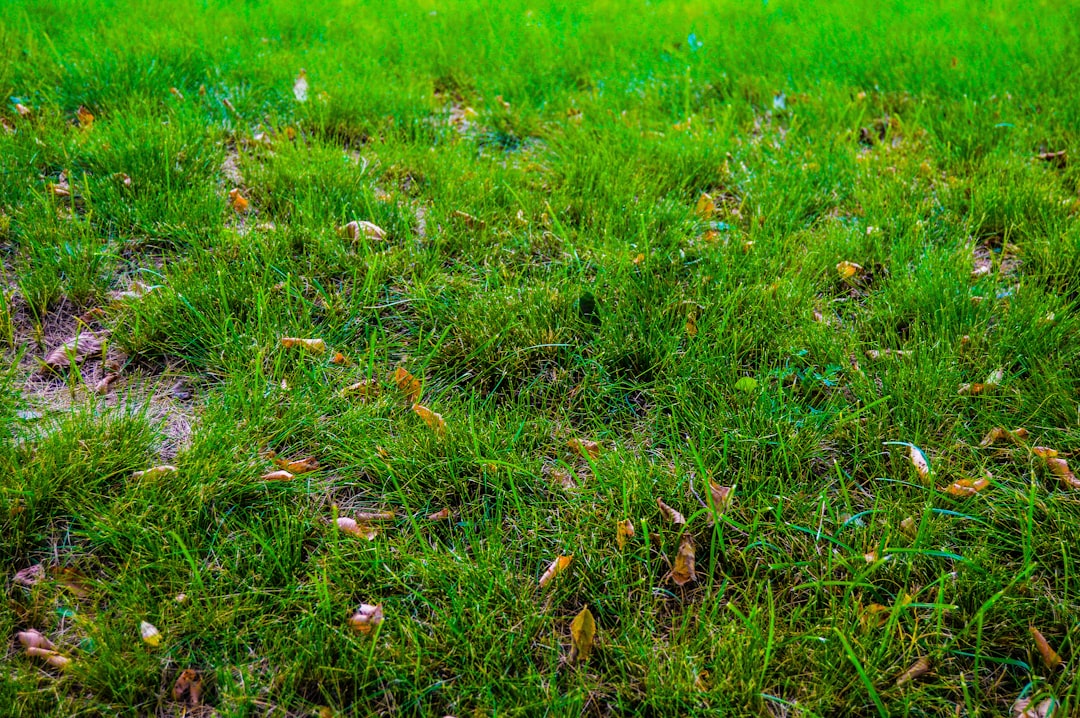
A Dry Summer Leads to Tighter Restrictions
Denver Water announced this week that it will prohibit outdoor lawn watering starting after September, according to a report from 9News. The move marks a significant escalation from the seasonal watering schedules the utility typically enforces each summer, and it comes as much of Colorado continues to grapple with persistent drought conditions across the Front Range and mountain watersheds that feed the metro area’s reservoirs.
For homeowners accustomed to a gradual step-down in watering allowances as autumn approaches, the announcement lands as a more abrupt shift — a full ban rather than a reduced schedule. The change is expected to affect single-family homes, apartment complexes, homeowners associations, businesses, and city parks alike, though Denver Water has historically built exceptions into its rules for newly planted landscaping, trees, and certain drip-irrigation systems.
What’s Different This Time
Denver Water, like most Front Range utilities, typically manages summer irrigation through tiered watering schedules — allowing customers to water on designated days of the week based on address, with restrictions on watering during peak heat hours. Those summer rules are standard practice and not usually characterized as a “ban.”
What sets this fall’s announcement apart, based on 9News’ reporting, is the shift to an outright prohibition on lawn watering once September ends, rather than simply tapering the number of allowed watering days. That distinction matters for residents trying to plan for winterizing their sprinkler systems and for lawn care companies that build their fall schedules around aeration, overseeding, and a final deep watering before the ground freezes.
Colorado’s water utilities generally point to snowpack levels, reservoir storage, and streamflow into the South Platte and Colorado River basins when calibrating restrictions. While the specific reservoir data behind this particular decision wasn’t detailed in initial coverage, the timing lines up with a summer marked by dry conditions and wildfire smoke that blanketed the region — Colorado Public Radio reported earlier this month on the smoky skies caused by regional fire activity, a visible reminder of how parched conditions have become across the state. Persistently low precipitation and above-average temperatures throughout the growing season are the kinds of factors that typically push utilities toward more aggressive conservation measures.
What Homeowners and HOAs Need to Know
For Denver Water customers, the immediate practical questions center on enforcement and exceptions. Colorado utilities that impose watering bans typically rely on a mix of customer complaints, field inspections, and, in some cases, aerial or satellite monitoring to identify violations. Penalties in past Front Range drought restrictions have ranged from warning letters for first-time violations to fines that escalate with repeat offenses.
Homeowners associations across the metro area, many of which have their own landscaping covenants requiring green, well-maintained lawns, may find themselves in a bind if the ban conflicts with community rules. HOAs have faced this tension before during past drought years, and residents concerned about brown or dying turf are likely to seek clarity from both Denver Water and their community boards about whether an outdoor watering ban supersedes local covenant enforcement.
Common exceptions in past Denver-area restrictions have included hand-watering with a shut-off nozzle, drip irrigation for trees and shrubs, and limited watering windows for newly seeded or sodded lawns. Whether those carve-outs apply under this new ban wasn’t fully detailed in early coverage, and residents are encouraged to check Denver Water’s official guidance directly before assuming any exemption applies to their property.
Landscapers Bracing for Impact
Local landscaping and lawn care companies, many of which count on fall as a critical window for aeration, overseeding, and fertilization ahead of winter dormancy, are likely to feel the effects of a hard cutoff on watering. A final watering cycle after fall treatments is often considered important for helping grass seed establish roots before the first freeze. Industry professionals in past drought years have voiced concern that abrupt watering cutoffs can undermine those investments, leaving lawns more vulnerable to winter kill and slower to green up in spring.
At the same time, water conservation advocates have long argued that turf grass — particularly non-native Kentucky bluegrass, the most common lawn variety across Denver-area subdivisions — demands an outsized share of the region’s limited water supply relative to its ecological benefit. Conservation groups and some water utilities across Colorado have spent recent years promoting turf replacement programs, xeriscaping rebates, and native plant landscaping as long-term alternatives precisely because of scenarios like this one, where drought forces sudden restrictions that catch traditional lawns off guard.
A Familiar Tension
The dispute over lawn watering bans reflects a broader and recurring tension in Colorado: the cultural attachment to green suburban lawns versus the physical reality of a semi-arid state increasingly shaped by climate variability. Front Range communities have weathered watering restrictions before, particularly during past dry years, and reactions have typically split along familiar lines — residents frustrated by the cost and appearance of a brown lawn heading into winter, and conservation-minded voices arguing that any inconvenience is a small price compared to the risk of straining regional water supplies.
Denver Water has not publicly detailed, at least in initial reporting, how long the ban is expected to remain in place or what conditions — such as improved reservoir levels or a wet fall — might prompt an early lift of the restriction. Residents seeking specifics on enforcement, exceptions, and duration should look to Denver Water’s official communications and website as the situation develops.
What to Watch Next
As September approaches, expect more detail from Denver Water on how the ban will be enforced, whether HOAs will receive specific guidance for handling covenant conflicts, and whether neighboring utilities — including Aurora Water, Colorado Springs Utilities, and smaller Front Range districts — will follow with similar restrictions of their own. Given the regional nature of drought and shared water sources, decisions made by Denver Water often influence policy conversations in surrounding communities.
For now, Denver-area homeowners are being urged to prepare for a fall without supplemental irrigation, and to consult Denver Water directly for the finalized rules, penalties, and any exceptions before the restrictions take hold after September.