
Fire Temporarily Shutters Historic Denver Dance Center
A fire has closed a historic Denver dance center, disrupting classes and performances as the community rallies to support the beloved arts institution.
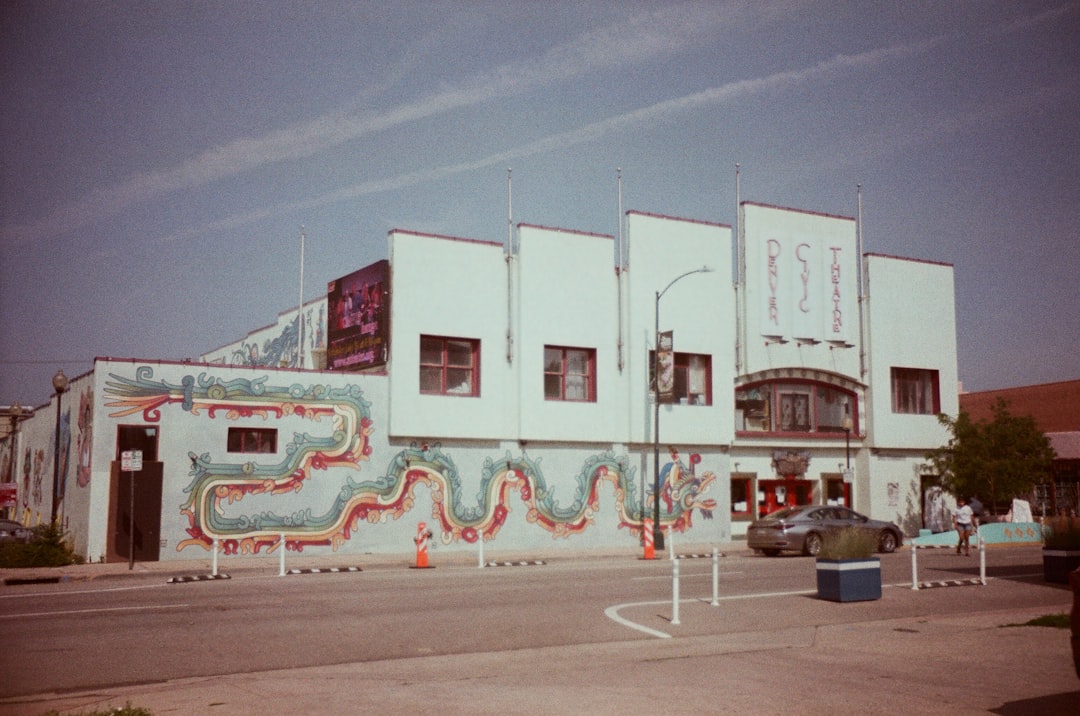
A fire has temporarily closed a historic Denver dance center, according to a CBS News report published this week, disrupting classes, rehearsals and performances at a facility that has long served as a gathering place for the city’s dance community. Details about the blaze remain limited, but the closure has already sent ripples through a network of instructors, students and families who rely on the space.
What We Know So Far
According to CBS News, the fire forced the historic dance center to shut its doors, at least temporarily, while officials assess the damage. As of this reporting, specifics about the cause of the fire, the extent of the damage, and a timeline for reopening have not been made public. Front Range Report will continue to follow this story as more information becomes available from fire officials, building owners and the dance center itself.
It’s worth noting what is not yet confirmed: investigators have not released a determination on how the fire started, no injuries have been publicly reported in connection with the incident, and there is no official word yet on when — or whether — the building will reopen in its current form. Given the limited details available, this article focuses on what has been verified rather than speculating on cause or recovery timeline.
A Landmark for Denver’s Dance Community
Historic performing arts spaces like this one occupy a unique place in Denver’s cultural landscape. Buildings that have hosted decades of recitals, rehearsals and community classes often become more than just physical structures — they serve as anchors for multi-generational relationships between teachers and students, and as informal community centers where families gather week after week.
For many metro-area dancers, studios like this represent an entry point into the arts: a place where children take their first ballet or tap class, where teenagers rehearse for competitions, and where adults return for exercise, expression or a sense of community. The sudden, unplanned closure of such a space — even temporarily — can disrupt schedules for dozens or hundreds of students and families who had built routines around classes, recitals and performances tied to the building.
While Front Range Report does not have confirmed details on the specific programming housed at this location, closures of long-running arts facilities typically affect a wide network: instructors who may rely on the space for income, students preparing for auditions or showcases, and administrative staff managing bookings, costumes and events tied to a performance calendar.
Community Response
News of the fire comes at a moment when Colorado’s cultural and events calendar remains active — 9News’ weekend roundup for Aug. 21-23 highlights the breadth of arts and entertainment options across the state, underscoring how embedded dance and performance venues are in the broader fabric of Colorado life. When a facility like this goes offline, even temporarily, it can mean lost rehearsal time ahead of upcoming shows and scrambling to find alternative space in a city where affordable studio square footage is not always easy to come by.
It’s common in situations like this for nearby studios, community centers and fellow arts organizations to offer temporary space or resources to displaced dancers and instructors, though Front Range Report has not confirmed specific offers of support tied to this particular closure. Members of the public interested in helping affected students or staff should look for official updates directly from the dance center or verified local arts organizations before making assumptions about how to contribute.
Part of a Broader Pattern of Concern
This incident also fits into a broader, ongoing conversation in Denver about the fragility of historic arts infrastructure. Older buildings that house theaters, studios and performance spaces often carry outdated electrical systems, aging fire suppression equipment, or deferred maintenance issues that can make them more vulnerable to fires and other structural problems. Preserving these buildings — many of which are cherished precisely because of their age and character — frequently requires costly renovations that can be difficult for nonprofit arts organizations or small studio owners to finance.
Denver has seen its share of debates over how to balance historic preservation with modernization and safety upgrades, whether in the context of performance venues, music halls or community theaters. When a fire or similar incident forces a temporary or extended closure, it often reignites discussion about funding for building upgrades, the role of city preservation grants, and whether current fire safety standards are adequately enforced or accessible for older arts institutions operating on tight budgets.
What Comes Next
For now, the dance center’s future activities — including whether classes will resume in a temporary location, whether performances will be rescheduled, and when the building itself might reopen — remain unclear. Front Range Report has not been able to confirm additional details beyond the initial CBS News report, and we are avoiding speculation on the cause of the fire or a specific reopening date until officials or the center itself provide further information.
What is clear is that the closure has struck a chord within Denver’s arts community, highlighting both the deep attachment residents have to long-standing cultural institutions and the vulnerability of historic buildings that house them. As more details emerge about the cause of the fire, the scope of the damage, and plans for rebuilding or relocating, this story will likely serve as a touchstone for broader conversations about how Denver supports and protects its historic arts venues going forward.
Readers with verified information about the dance center’s status, or affected students and instructors willing to share their experiences, are encouraged to reach out to local news outlets as this story continues to develop. Front Range Report will provide updates as confirmed details become available.