
Audit: Denver Council Kept in Dark on 16th St. Mall Woes
A new city audit finds Denver officials failed to inform council members about costly complications in the 16th Street Mall revamp.
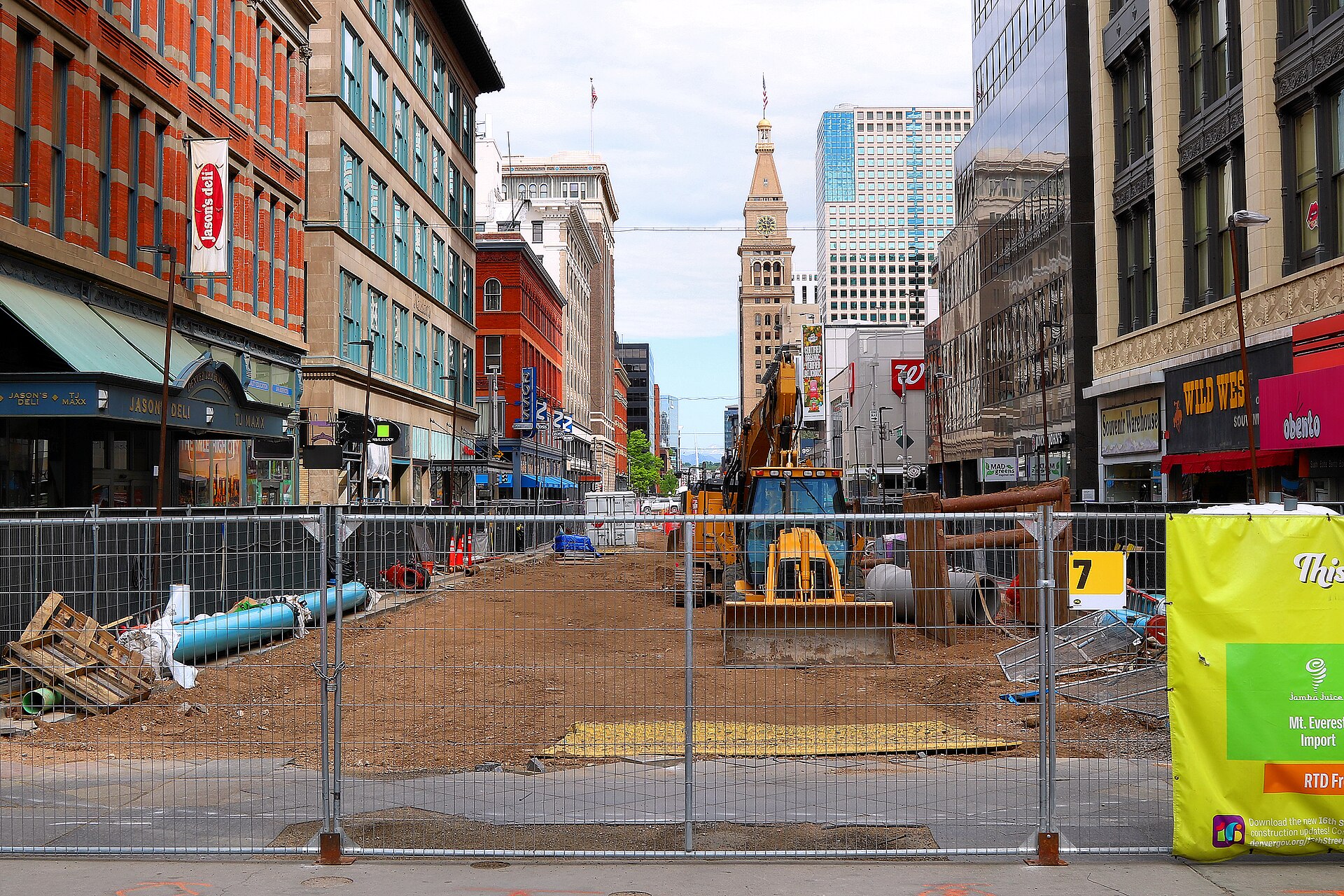
A newly released city audit has found that Denver officials failed to keep members of the City Council informed about significant complications affecting the long-running 16th Street Mall reconstruction project, according to 9News. The findings add another layer of scrutiny to a downtown revitalization effort that has already faced years of delays and rising costs, and they arrive amid broader concerns about transparency and spending inside Denver’s city government.
What the Audit Found
According to 9News’ reporting on the audit, city departments overseeing the 16th Street Mall project did not adequately notify City Council about problems that arose during construction — issues that reportedly carried real financial and logistical consequences for the project. The mall renovation, which has stretched on for years and drawn frustration from downtown businesses and residents alike, has been billed by the city as a centerpiece of downtown Denver’s comeback following the pandemic-era decline in foot traffic and retail activity.
The audit’s core concern is not necessarily that problems occurred during a massive infrastructure project — construction complications are common in projects of this scale — but that council members, who are responsible for budget oversight and approving funding, were left without timely information needed to do that job. When elected officials aren’t told about cost-driving complications as they emerge, they lose the ability to ask questions, demand accountability, or reconsider funding decisions before problems compound.
A Pattern of Oversight Gaps?
The 16th Street Mall audit doesn’t exist in a vacuum. It lands the same week as a separate CBS News report detailing how Denver has been paying outside attorneys as much as $800 an hour, contributing to soaring legal bills for the city. Taken together, the two stories have fueled a broader conversation among transparency advocates about whether Denver’s contracting and financial oversight processes are keeping pace with the complexity — and cost — of the city’s major initiatives.
Watchdog groups and transparency advocates have long argued that Denver’s council often finds out about cost overruns and contract complications after the fact, limiting its ability to exercise its budgetary authority in real time. The 16th Street Mall audit appears to reinforce that critique, suggesting that even on a high-profile, closely watched project like the mall renovation, information didn’t flow up to the legislative body tasked with approving public spending.
This isn’t the first time Denver’s contracting practices have come under the microscope recently. Debates over Denver International Airport contracts have similarly raised questions about how thoroughly council members are briefed on complications before costs balloon. Critics say these episodes point to a systemic issue rather than isolated missteps — a pattern in which city departments manage large projects with limited real-time transparency to the legislative branch.
Council Reaction
Council members’ reactions to the audit reflect the frustration of being asked to approve funding and oversee a marquee downtown project without full visibility into its problems. For a body that holds the purse strings on major capital projects, being kept in the dark on complications undercuts one of its central constitutional functions — vetting how taxpayer dollars are spent. The mall project, funded through a mix of city and other public dollars, has already required additional appropriations as costs have grown beyond original estimates, making timely communication about complications especially significant for council’s budgetary decisions.
While the specific comments of individual council members were not detailed in full in initial reporting, the broader council response to findings like these has historically centered on calls for stronger reporting requirements from city departments — regular, mandatory updates rather than after-the-fact disclosures when audits or media scrutiny force the issue.
The City’s Defense
City officials, for their part, have generally defended the pace and management of the 16th Street Mall project by pointing to its scope and complexity. The mall reconstruction involves replacing aging infrastructure beneath one of the busiest pedestrian corridors in the Rocky Mountain West, coordinating with utility companies, transit operators, and downtown businesses that depend on foot traffic to survive. Officials have previously acknowledged that the project has taken longer and cost more than initially projected, attributing delays in part to unforeseen underground conditions and supply chain issues that have affected construction projects nationwide.
Whether those explanations satisfy the audit’s core finding — that council wasn’t properly informed — remains an open question. Defenders of the project’s management team argue that construction complications are often technical in nature and get addressed at the staff level before rising to a level requiring council notification. Critics counter that cost implications, by definition, are exactly the kind of complication that should trigger disclosure to the body controlling the purse strings.
Why It Matters to Denver Residents
For everyday Denver residents, the audit’s findings touch on more than bureaucratic process. The 16th Street Mall is one of the most visible public investments in the city’s downtown core, a project meant to help revive a business district still recovering from pandemic-era vacancies and reduced tourism. Delays and cost overruns on the mall have already affected nearby businesses, some of which have publicly complained about prolonged construction disrupting customer access.
If council oversight was indeed compromised, taxpayers may be left wondering whether the mall’s ballooning costs could have been better managed — or at least better anticipated — had elected officials had fuller information earlier in the process. Combined with revelations about $800-an-hour legal fees, the audit adds to a narrative Denver watchdogs have pushed for months: that the city’s internal accountability structures may need reinforcement to match the scale of its ambitions.
What Comes Next
It remains to be seen whether the audit will prompt formal policy changes, such as new mandatory reporting requirements for major capital projects, or whether it will simply become another data point in the ongoing debate over Denver’s contracting and oversight practices. Council members and city officials will likely face continued questions about the mall project’s remaining timeline and budget as construction continues, while transparency advocates are expected to push for structural reforms that ensure elected officials — and the public they represent — aren’t the last to know when high-profile projects run into trouble.
For now, the 16th Street Mall remains both a symbol of Denver’s downtown ambitions and a case study in the challenges of managing accountability on the city’s biggest public works efforts.