
Denver Forms Data Center Working Group to Weigh New Rules
Denver city leaders launch a working group to study data center growth and future regulations as demand for power and water rises.
A New Front in Denver’s Growth Debate
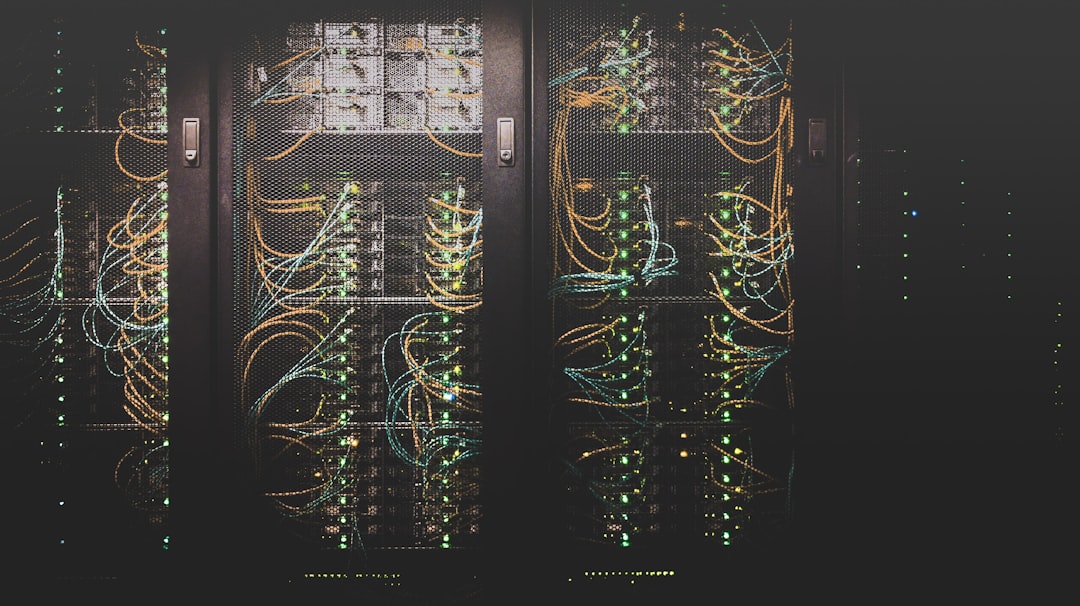
Denver city leaders have launched a working group to examine how the city should regulate data centers, according to a report from Denver7 published Aug. 19, 2026. The move signals that Denver is joining a growing number of cities and states nationwide grappling with the rapid expansion of the facilities that power everything from cloud storage to artificial intelligence tools — and the strain that expansion can place on local infrastructure.
The formation of the working group marks a distinct policy conversation from other recent city business, such as the Denver City Council committee’s amendments to Denver Health’s 2Q ballot measure contract. Instead, this effort is focused squarely on land use, utilities and economic development — and on getting ahead of an industry that has expanded faster in many U.S. markets than local rules have been able to keep pace with.
Why Now?
Data centers have become one of the fastest-growing categories of commercial real estate development across the country, driven largely by the boom in artificial intelligence and cloud computing services. These facilities require enormous amounts of electricity to run servers around the clock, as well as significant water resources for cooling systems. That combination has made data centers a flashpoint issue in numerous states and municipalities, where utility companies, water providers and local governments have had to reckon with whether existing infrastructure can support the demand.
For Denver, the calculus involves balancing two competing interests. On one hand, data centers represent a potentially lucrative source of investment and tax revenue, along with construction jobs and, to a lesser extent, ongoing operational jobs. Colorado has already attracted some data center development along the Front Range, and cities across the country have competed for these projects given the capital investment involved. On the other hand, the facilities’ appetite for electricity and water raises real concerns for a city already managing growth pressures on its power grid, water supply and land available for development.
By forming a working group now, according to Denver7’s reporting, city leaders appear to be trying to get ahead of the issue — studying the tradeoffs and drafting potential rules before large-scale data center proposals arrive on Denver’s doorstep, rather than reacting after facilities are already built or under construction.
What’s at Stake: Power and Water
The two resources most often cited nationally in data center debates are electricity and water, and Denver is no exception. Data centers can consume as much electricity as tens of thousands of homes combined, depending on their size, putting pressure on utilities like Xcel Energy to expand generation and transmission capacity. In some parts of the country, utilities have had to delay retiring older power plants or accelerate new infrastructure investment specifically to accommodate data center demand.
Water is a similarly pressing concern in a state that has faced persistent drought conditions and long-running fights over water rights. Many data centers rely on water-based cooling systems, and even facilities that use more water-efficient designs still require some water for climate control. In an arid region like Colorado’s Front Range, where water utilities already navigate competing demands from agriculture, residential growth and drought resilience planning, any significant new water user draws scrutiny.
Land Use and Neighborhood Impacts
Beyond utilities, data centers also raise land-use questions that resonate with residents. The buildings themselves are typically large, low-rise industrial structures that generate relatively few jobs per square foot compared to other commercial development, and they can produce noise from cooling equipment and backup generators. In other markets, neighbors near proposed data center sites have raised concerns about noise, truck traffic during construction, and the loss of land that might otherwise be used for housing or mixed-use development — an especially sensitive issue in a city like Denver that continues to face housing affordability pressures.
City leaders forming the working group appear to be aiming to address these land-use questions alongside the utility concerns, rather than treating data center policy purely as an economic development matter.
The Economic Development Argument
Proponents of data center growth typically point to the capital investment these projects bring, along with the property tax base they can create over time. Some states and cities have offered tax incentives specifically to attract data center operators, viewing them as a way to diversify the local economy and capture growth tied to the AI and technology sector. Denver’s working group will likely have to weigh whether — and how — the city wants to compete for this kind of investment, or whether it wants to set a higher bar given the resource tradeoffs involved.
The Regulatory Landscape Elsewhere
Denver isn’t alone in confronting this issue. Communities in Virginia, Georgia and other states with dense clusters of existing data centers have spent recent years debating moratoriums, zoning overlays and utility rate structures designed specifically to manage data center growth. Some jurisdictions have moved to require data center operators to pay for grid upgrades themselves, rather than spreading those costs across all ratepayers — a model Denver’s working group may examine as it studies options.
What Comes Next
Details on the working group’s full membership, timeline and specific policy proposals were not fully outlined in initial reporting, but Denver7’s coverage indicates that city leaders are treating this as a deliberate, study-first approach rather than a rush to legislate. That process likely means public input opportunities and further council discussion in the months ahead as the group examines options for zoning rules, utility coordination requirements and possibly incentive structures.
For now, the formation of the group represents a first step — an acknowledgment from Denver officials that data centers are becoming a land-use and infrastructure issue significant enough to warrant a dedicated policy conversation, distinct from the city’s other ongoing council business. How Denver ultimately balances the economic upside against the strain on power, water and neighborhoods will likely shape the city’s approach to a fast-growing industry that shows little sign of slowing down.