
Storms Snarl DIA, Dump 3-Foot Hail Drifts Across Denver Metro
Severe Front Range storms canceled 100+ DIA flights and left hail drifts up to three feet as flash flood risk continues into the weekend.
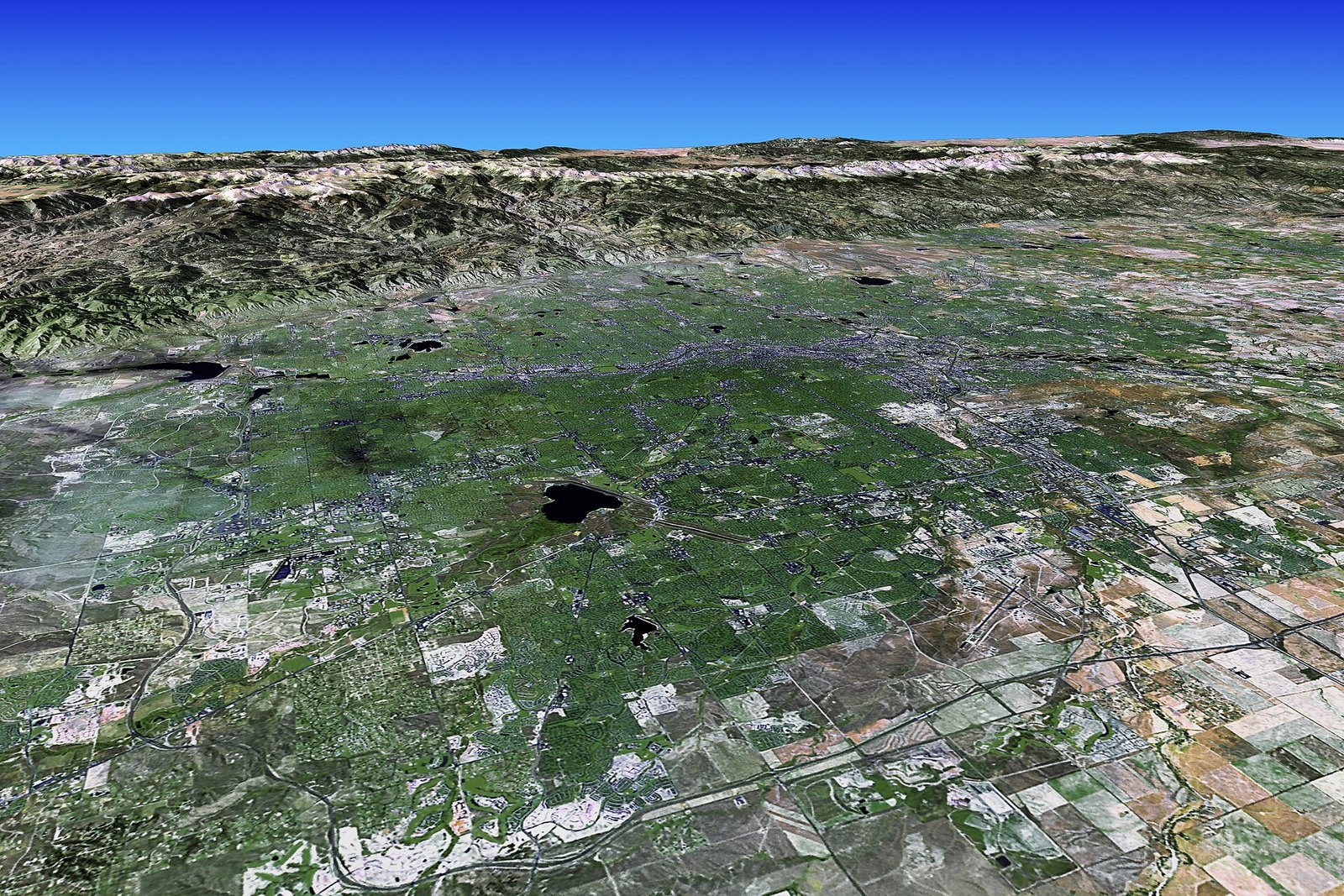
A wave of severe thunderstorms rolled across the Front Range this week, grounding flights at Denver International Airport, burying neighborhood streets under hail drifts as deep as three feet, and prompting forecasters to warn that the danger isn’t over yet. With flash flood risk extending into the weekend, Denver-area residents are being urged to stay alert even as cleanup from Friday’s storms is still underway.
Ground Stop Halts DIA Operations
Denver International Airport issued a ground stop Friday as thunderstorms swept through the region, halting inbound and outbound traffic during the height of the storm activity, according to The Denver Post. While the ground stop was eventually lifted, the disruption rippled through the airport’s schedule, with more than 100 flights ultimately canceled as crews worked to manage the backlog of delayed departures and arrivals.
For travelers passing through one of the nation’s busiest airports, the storm-driven cancellations meant scrambled connections and long waits, a now-familiar summer headache for DIA passengers as Colorado’s severe weather season continues to test the airport’s operations. The Denver Post reported the ground stop came as thunderstorms intensified across the Front Range Friday afternoon and evening, part of a broader system that brought heavy rain, hail and gusty winds to the metro area.
Hail Piles Up Three Feet Deep
While delays frustrated travelers at DIA, the more visually striking impact of Friday’s storms played out in Denver neighborhoods, where hail accumulated in drifts reported to be as deep as three feet in some areas, according to KDVR. The intensity of the hail was enough to strip leaves from trees across parts of the Denver area, leaving behind a scene more reminiscent of a winter storm than a mid-August afternoon.
Photos and reports circulating in the aftermath showed streets and yards blanketed in hail, with plows and shovels enlisted in some areas to help clear the accumulation. The hail drifts, combined with heavy rainfall, created hazardous driving conditions during the height of Friday’s storms, as reduced visibility and slick, ice-covered roads compounded the disruption already being felt at the airport.
Denver7 reported that heavy rain and scattered storms lingered into Friday night, with additional storm activity expected to return Saturday afternoon, meaning the metro area’s weather saga was far from finished as the weekend began.
Flash Flood Risk Extends Through the Weekend
Beyond the dramatic hail and travel disruptions, meteorologists have flagged a continuing flash flood risk across Colorado through the weekend, according to 9News. Heavy rain forecast for the coming days raises the possibility of rapid water accumulation, particularly in areas that saw significant rainfall Friday or that sit near burn scars and drainage-prone terrain — conditions that can turn manageable rainfall into dangerous flash flooding within a short window.
CBS News reported that the severe storm system moving across the Front Range brought the combined threats of hail and flooding, a pairing that has become increasingly common in Colorado’s recent stretch of volatile summer weather. Forecasters have urged residents to avoid driving through flooded roadways, stay aware of rapidly changing conditions, and monitor local weather alerts closely as additional rounds of storms move through the region.
Denver7’s Saturday coverage noted that afternoon storms were expected to return, extending the pattern of daily convective activity that has defined much of the past week. Residents in low-lying areas and near waterways are advised to have an emergency plan in place and to heed any evacuation or shelter guidance issued by local authorities should conditions deteriorate.
A Summer of Weather Extremes
This week’s storms are the latest chapter in what has been an unusually turbulent summer for Colorado’s Front Range, a season marked by sharp swings between drought-like heat and sudden, intense storm activity. The combination of large hail, heavy rainfall and flash flood warnings within a single multi-day event underscores the kind of volatility that has become a hallmark of recent Denver-area summers, as previous storms and heat waves have already tested infrastructure and emergency response systems.
For DIA, storm-related disruptions are an increasingly routine operational challenge, one that airport officials and airlines must plan around each summer as thunderstorm cells regularly form along the Front Range during peak travel season. The scale of Friday’s cancellations — more than 100 flights — highlights just how quickly a single severe weather event can cascade into widespread travel disruption across one of the country’s busiest air hubs.
What Residents Should Know
As the flash flood threat continues into the weekend, officials and forecasters are emphasizing basic safety precautions:
- Avoid driving through flooded streets or underpasses, where water depth can be difficult to judge.
- Stay informed through local weather alerts and National Weather Service updates, particularly during afternoon and evening hours when storms are most likely to develop.
- Residents with storm-damaged vehicles or property from Friday’s hail should document damage for insurance purposes before beginning cleanup.
- Travelers with upcoming flights through DIA should check flight status directly with airlines given the potential for continued weather-related delays.
Looking Ahead
With more storms expected through Saturday and flash flood risk persisting into the weekend, Denver-area residents are being asked to stay cautious even as the immediate cleanup from Friday’s hail and rain gets underway. The scope of this week’s event — from grounded flights to snow-plow-worthy hail drifts in the middle of August — serves as a reminder of how quickly Colorado’s mountain and plains weather patterns can turn severe, and how important it remains for residents and travelers alike to stay weather-aware throughout the rest of the summer season.