
After the Hail: Denver Neighbors Pitch In on Storm Cleanup
Front Range communities organize tree debris removal and storm cleanup after hail drifts up to 3 feet damaged trees and property across metro Denver.
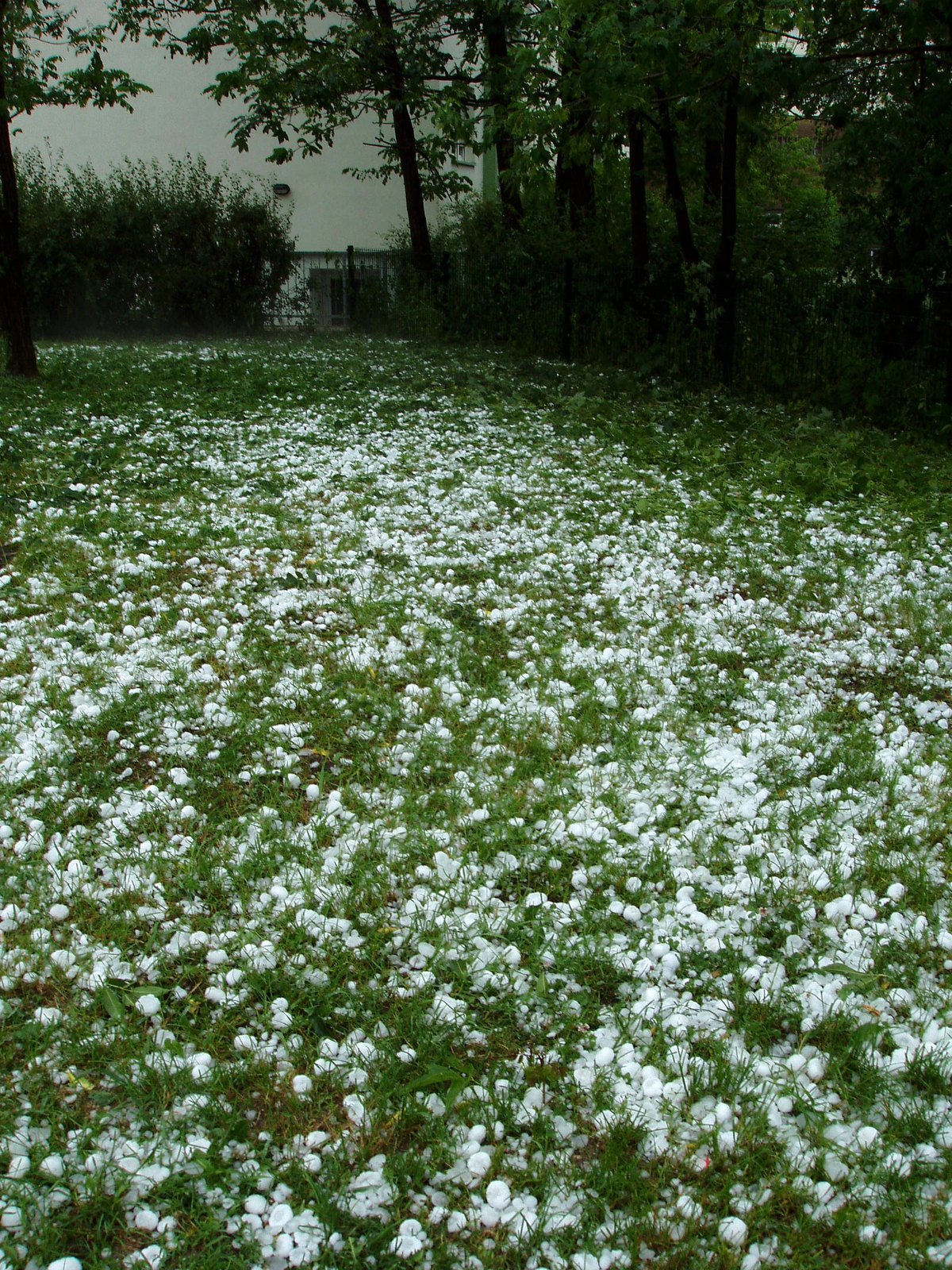
A City Digs Out From the Ice
Denver residents woke up this week to a strange sight in the middle of August: hail piled in drifts up to 3 feet deep, stripped tree leaves scattered across lawns and sidewalks like a premature autumn, and broken limbs blocking driveways and alleys across the metro area. According to KDVR, the severe hailstorms that swept through the Denver area left behind significant damage to trees and landscaping, with some neighborhoods bearing the brunt of the impact.
The storms were part of a broader system that battered Colorado’s Front Range this week, bringing heavy rain, hail and flash flood concerns, according to CBS News and Denver7. The same system caused a ground stop and more than 100 flight cancellations at Denver International Airport on Friday, The Denver Post reported. Forecasters have warned that additional storms and flash flood risk could continue through the weekend, 9News reported.
But while meteorologists and airport officials tracked the storm’s broader disruptions, the more immediate story for many Denver neighborhoods has played out block by block — in front yards, alleys and parks where residents have been picking up the pieces, literally, since the hail stopped falling.
Park Hill and Wash Park Among Hardest Hit
Neighborhoods including Park Hill and Washington Park appear to be among the areas most visibly affected by the storm damage, with mature tree canopies that took a beating from the hail and accompanying winds. Stripped foliage and downed limbs have left curbs lined with debris in the days since the storm passed through.
For neighborhoods known for their tree-lined streets and historic housing stock, the damage carries an extra sting. Trees in these older, established neighborhoods often took decades to reach their current size, and the sudden loss of leaves and branches has changed the look of entire blocks almost overnight.
In the absence of city crews able to reach every affected block immediately, neighbors in hard-hit areas have been pooling resources — sharing chainsaws, work gloves and pickup trucks to haul away branches, and checking in on elderly or disabled neighbors who may not be able to clear debris from their own property. This kind of informal, grassroots mutual aid has become a familiar pattern in Denver after severe weather events, as residents lean on each other while official cleanup timelines catch up with the scale of the damage.
City Forestry Crews and Nonprofits Coordinate Response
Denver’s city forestry division typically fields a surge of service requests after major hail or wind events, as residents report downed limbs, damaged street trees and blocked rights-of-way. While full details of this week’s citywide cleanup timeline were not immediately available, the pattern of past storms suggests crews are likely prioritizing hazardous trees and blocked roadways first, with cosmetic and non-emergency limb removal following in the weeks after.
Local nonprofits and community organizations that regularly assist with tree canopy maintenance and disaster response in Denver are also expected to play a role in coordinating volunteer cleanup efforts, connecting residents who need help clearing debris with those able to lend a hand or equipment. These kinds of grassroots partnerships have become increasingly important in a city where the urban tree canopy is both a point of civic pride and a maintenance challenge, particularly after severe weather.
For many residents, the response has been less about waiting on official channels and more about immediate, practical problem-solving: clearing a shared alley, splitting the cost of a debris haul, or simply showing up with a rake.
A Broader Pattern of Extreme Weather
This week’s hail and flooding are the latest in a string of severe weather events that have tested Denver-area infrastructure and residents’ patience this summer. The National Weather Service and local meteorologists have continued to flag flash flood risk across the Front Range as additional rain moves through the region, according to 9News, meaning the cleanup effort is unfolding even as more wet weather looms.
That overlapping timeline — cleanup work happening while forecasts still call for rain — has added urgency for some residents eager to clear debris before it becomes waterlogged or contributes to drainage problems during the next round of storms. Fallen branches and stripped leaves can clog storm drains and gutters, compounding flood risk in low-lying areas if not cleared promptly.
The scale of hail accumulation reported this week — drifts as deep as 3 feet in some spots, according to KDVR — is unusual even by Colorado’s hail-prone standards, underscoring why cleanup has taken on an outsized role in neighborhood conversations this week, alongside the more widely covered stories about DIA delays and flash flood warnings.
Looking Ahead
As the region braces for potentially more storms through the weekend, per Denver7 and CBS News reporting, the community response in neighborhoods like Park Hill and Wash Park offers a glimpse of how Denver residents often handle the aftermath of severe weather: not by waiting for a single coordinated effort, but through overlapping, informal networks of neighbors, nonprofits and city crews working in parallel.
For now, the sound of chainsaws and the sight of debris piles along residential streets serve as visible reminders of just how unusual this week’s storms were — and of the community effort now underway to put things back together, branch by branch.