State Senate Leader Enters Crowded Denver Council Race
A state Senate majority leader's bid for Denver City Council adds a high-profile name to the race after Paradys' exit set an election in motion.
Crowded Field for Denver Council Seat Gains a Statehouse Heavyweight
The race to fill an open seat on the Denver City Council has picked up its most prominent name yet: the majority leader of the Colorado State Senate has announced a bid for the council seat, according to Denverite. The move injects new energy — and new questions about political trajectories — into a contest that was already drawing interest from multiple would-be candidates after the seat’s previous occupant, Councilmember Paradys, stepped down.
The announcement, first reported by Denverite on Thursday, makes the sitting state senator the highest-profile entrant so far in what has become a crowded field vying for a seat that carries outsized influence on the council’s balance of power heading into the next term.
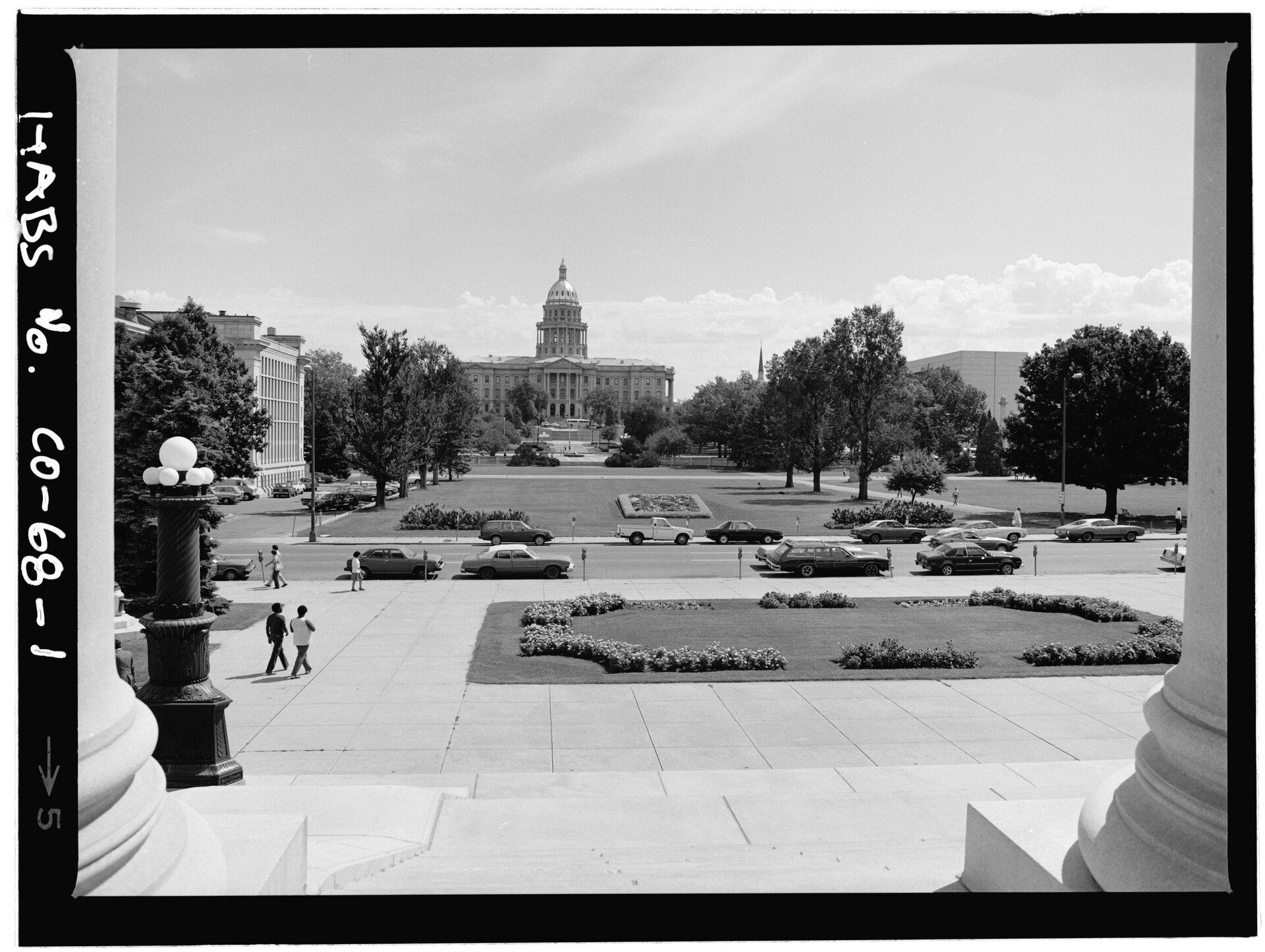
From the Gold Dome to the City and County Building
A move from the state Capitol to Denver’s City Hall would not be unprecedented, but it does mark a significant career pivot. State Senate majority leaders occupy one of the most powerful posts in the Colorado legislature, shepherding the majority party’s agenda through floor debates, committee assignments and negotiations with the governor’s office. Trading that role for a seat on a 13-member city council — where the job includes zoning disputes, neighborhood budget requests and constituent casework — represents a different kind of public service, one closer to the ground for residents dealing with day-to-day city issues.
Denverite’s report frames the entry as adding a well-known figure to a race that had already begun to take shape. Specific details about the senator’s platform, campaign committee and full biography were not extensively laid out in initial coverage, and Front Range Report will continue to follow the campaign as more information becomes available. What is clear is that the candidate brings name recognition and legislative experience that few, if any, other contenders in the race are likely to match.
The Vacancy That Started It All
The seat became open after Councilmember Paradys’ departure from the council, a development that had already prompted city officials to set an election timeline to fill the vacancy, according to prior Denverite reporting. That decision to move toward a formal election — rather than a council appointment — means Denver voters, not just their elected representatives, will have the final say on who represents the district for the remainder of the term.
Special elections and mid-term vacancy races in Denver tend to draw a mix of neighborhood advocates, former staffers and, occasionally, politicians looking to make a jump between levels of government. This race appears to be following that pattern, with multiple candidates reportedly circling the seat even before the state senator’s announcement. Front Range Report has not independently verified the full list of declared candidates, and we will update our coverage as campaign filings and additional reporting clarify the field.
What’s at Stake for the District — and the Council
Denver’s City Council has spent the past several months wrestling with contentious policy questions, from zoning and development fights to, most recently, a council committee’s push to ease affordable housing metrics, as reported by the Denver Gazette this week. Whoever wins the open seat will step into a body actively shaping decisions on housing requirements, land use and budget priorities — issues that directly affect renters, homeowners and developers across the city.
The composition of the council matters beyond any single district. Denver’s council has periodically split along lines of pro-development versus slow-growth priorities, and on questions of how aggressively to regulate housing, homelessness response and public safety spending. A new member coming in with statehouse experience — accustomed to legislative deal-making at a much larger scale — could shift how coalitions form on specific votes, though it’s too early to say how a state Senate majority leader’s approach would translate to the more localized, retail-politics nature of city council work.
Community reaction to the announcement has not been extensively documented in available reporting, and this article does not attempt to characterize sentiment beyond what has been reported. As is often the case in Denver municipal politics, residents, neighborhood organizations and rival campaigns are likely to weigh in publicly in the days ahead as the race takes clearer shape.
A Broader Pattern of Political Movement
The entry of a sitting legislator into a city council race also raises practical questions common to these situations: whether the senator would need to resign or take a leave from their Senate leadership post, how a special election for their state Senate seat might unfold if they win the council race, and how their legislative record — including whatever committee work and bills they’ve championed under the Gold Dome — will be scrutinized by Denver voters who may be less familiar with state-level politics than with city hall.
Colorado’s state Senate majority leader position is typically held by a senator with substantial tenure and trust among colleagues, meaning the officeholder likely arrives at the council race with a lengthy legislative record for opponents and voters to examine. Front Range Report was unable to independently confirm additional biographical or policy details beyond what has been reported by Denverite, and we will provide updates as the campaign progresses and as candidate platforms become public.
What Comes Next
With an election date already set in motion following Paradys’ departure, the timeline for this race is compressed compared to a typical municipal election cycle. Candidates will need to quickly organize campaign infrastructure, raise funds and introduce themselves to voters in the district — a challenge that cuts both ways for a well-known state legislator who may have existing donor networks and community relationships, but who will also need to make the case for why state-level experience translates to effective city governance.
Denver residents watching the race should expect additional candidate announcements, campaign finance filings and, eventually, forums or debates as the election date approaches. Front Range Report will continue tracking the field and the issues at stake as this contest develops, including how it may influence the council’s approach to housing policy, development standards and the broader balance of power at the City and County Building.
For now, the entrance of a state Senate majority leader has turned what might have been a lower-profile special election into a race with statewide political implications — and one worth watching closely as Denver voters prepare to fill a consequential seat on their city council.