
Independence Plaza Reboot Aims to Turn CU Denver Into Hub
Denver and CU Denver leaders unveiled plans to transform Independence Plaza into a hub for student innovation and industry partnerships.
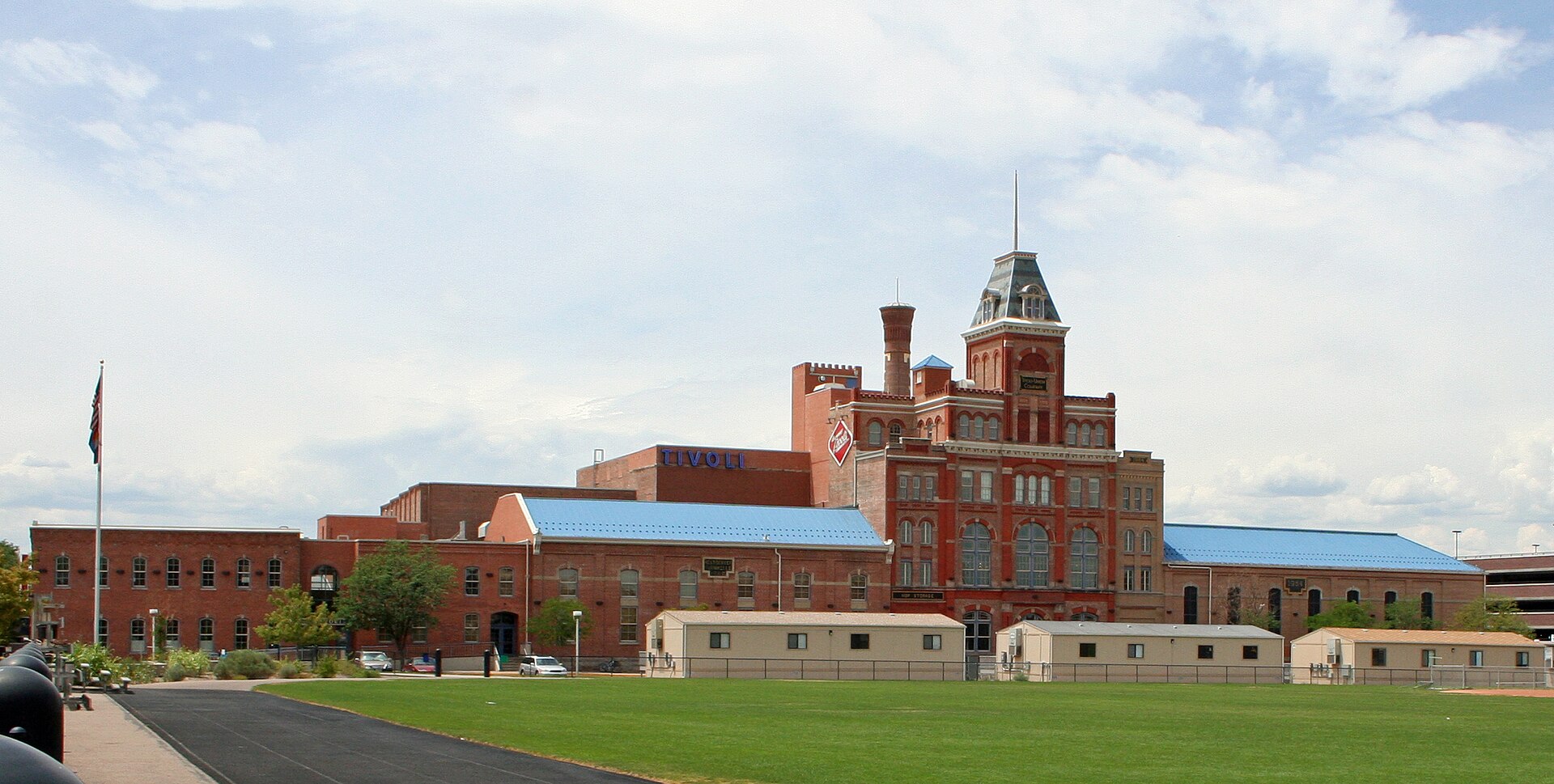
A New Vision for a Familiar Downtown Space
Denver and University of Colorado Denver leaders this week unveiled a redevelopment vision for Independence Plaza, positioning the downtown space as a future hub connecting CU Denver students with the city’s innovation economy and industry partners, according to a CU Denver News report published Aug. 13, 2026. The announcement brought together university officials and city leaders, including representatives from Denver Economic Development & Opportunity (DEDO), to outline what they describe as a shared ambition to remake the plaza into a center for student entrepreneurship, workforce development and industry collaboration.
For a campus that has long operated in the shadow of its more visible neighbors on the Auraria Higher Education Center campus, the announcement signals an attempt to give CU Denver a more defined physical and civic identity in the heart of downtown Denver — one tied directly to the city’s economic development priorities.
What’s Being Proposed
According to CU Denver News, the plan reimagines Independence Plaza as a joint CU Denver-DEDO hub designed to serve students, support innovation, and deepen ties between the university and area businesses. The framing suggests a space intended to function less like a traditional campus quad and more like a working connector between classroom learning and the private sector — the kind of “innovation district” model that cities across the country have pursued as a way to retain graduates and attract employers.
The involvement of DEDO, the city agency tasked with driving economic growth and job creation in Denver, indicates that officials view the project as more than an academic exercise. Pairing a university redevelopment effort with the city’s economic development apparatus suggests ambitions that extend beyond CU Denver’s student body to Denver’s broader workforce and business community.
Independence Plaza sits within or near the Auraria campus footprint, a stretch of downtown Denver that already hosts three institutions — CU Denver, Metropolitan State University of Denver and the Community College of Denver — making it one of the more heavily trafficked education corridors in the city. Any transformation of shared or adjacent plaza space carries implications not just for CU Denver but for the broader Auraria community and the downtown neighborhoods that surround it.
Who’s Involved
The unveiling brought together CU Denver leadership and city officials, including figures from DEDO, according to the CU Denver News report. The joint appearance underscores that this is being positioned as a public-private, city-university partnership rather than a university-only initiative — a structure that could shape everything from funding sources to long-term governance of the space.
Beyond the university and city representation, the report does not detail additional partners, tenants or private-sector stakeholders who might ultimately occupy or fund the hub. That leaves open significant questions about who else — from local employers to nonprofits to real estate developers — may be brought into the project as it develops.
What It Could Mean for Students and Neighborhoods
For CU Denver students, the pitch is straightforward: a dedicated space designed to bridge the gap between coursework and industry experience, potentially offering more direct pathways to internships, mentorship and employment with Denver-area companies. Proponents of innovation-hub models argue they help universities compete for students and give local economies a stronger pipeline of trained talent — a priority Denver officials have emphasized as they look to diversify the city’s economy beyond its traditional reliance on energy, tourism and government sectors.
For the surrounding downtown and Auraria-area neighborhoods, the redevelopment raises the kinds of questions that have accompanied similar projects in Denver’s urban core in recent years: Will the hub be broadly accessible to the public, or primarily reserved for university-affiliated users? Will construction and redevelopment activity affect existing foot traffic, parking or transit access in an area already shared by three institutions and their commuting student populations? And will nearby small businesses see increased activity from a more active plaza, or will they be squeezed out if redevelopment drives up costs?
Denver has seen recurring debate over who benefits from downtown redevelopment efforts, particularly when it comes to affordability and access. The Denver City Council has separately been examining how affordable housing metrics are applied to development projects citywide, according to the Denver Gazette — a reminder that questions of cost, access and equity tend to follow major redevelopment announcements in the city, even when, as in this case, the project in question is centered on education and workforce development rather than housing.
What Remains Unknown
Notably absent from the initial unveiling, based on available reporting, are specifics on timeline, funding sources and the eventual tenant mix for the reimagined plaza. It is not yet clear how much the redevelopment will cost, whether it will rely on university funds, city dollars, private investment or some combination, or when construction or programming might begin.
Similarly unclear is exactly which industries or companies might be invited to establish a presence at the hub, how much public access the space will retain, and how the project will be phased over time. Large-scale redevelopment efforts near Auraria and downtown Denver have historically taken years to move from concept to completion, and often evolve significantly between initial announcement and final execution.
Given the scale of ambition described — a hub meant to simultaneously serve students, support innovation and formalize industry partnerships — observers and stakeholders will likely be watching for more concrete details in the coming months, including any public input process, environmental or planning reviews, and financial commitments from the city or university.
A Familiar Pattern in Denver’s Development Story
Downtown Denver and the Auraria campus area have been sites of ongoing transformation for years, from housing debates to transit changes to new commercial development. Redevelopment projects in this corridor have often drawn mixed reactions — welcomed by those who see economic opportunity and campus investment, while others raise concerns about cost, displacement or whether public benefits will match public and institutional investment.
The Independence Plaza announcement fits that broader pattern: an ambitious vision, real institutional backing from both CU Denver and city economic development officials, and a long list of open questions that will only be answered as the project moves from concept toward implementation. For now, the plan represents a stated intention rather than a finished blueprint — one that Denver residents, students and business owners alike will likely be watching closely as more details emerge.