
Perseids Peak This Week: Best Dark-Sky Spots Near Denver
The Perseid meteor shower peaks this week. Here's where Front Range stargazers can find dark skies away from Denver's city lights.
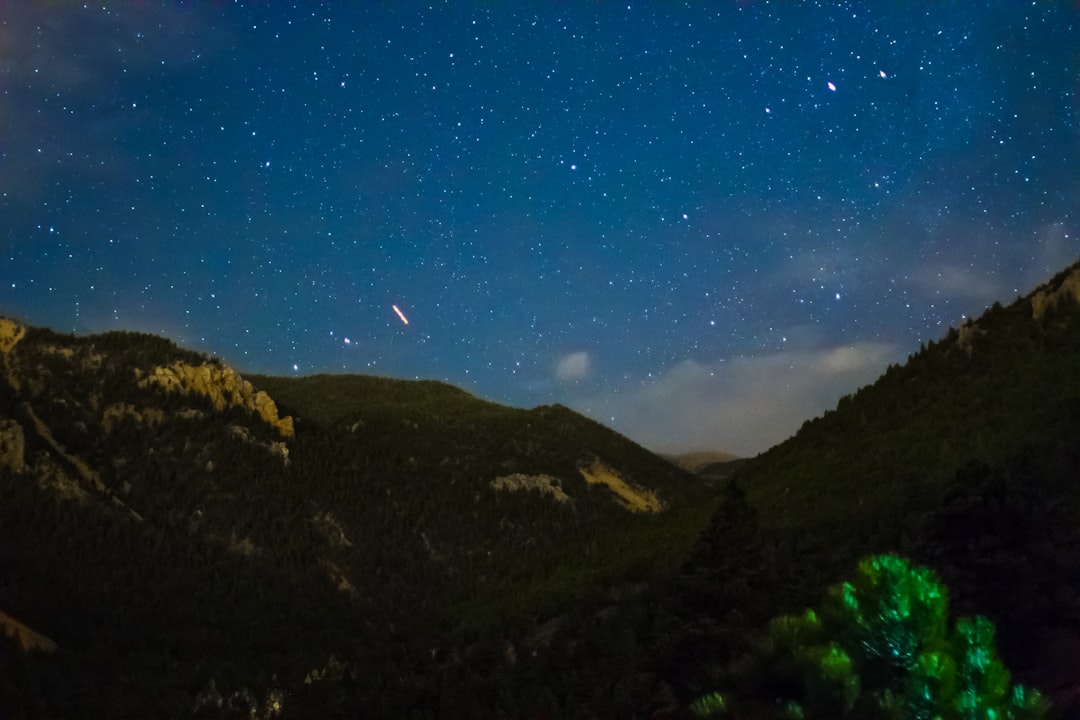
A Celestial Show Above the Front Range
Colorado’s clear summer nights are about to get a little brighter this week — not from city lights, but from streaks of light burning up in Earth’s atmosphere. The Perseid meteor shower, one of the most reliable and dazzling annual sky shows, is reaching its peak, giving Front Range residents a good excuse to trade their porch lights for a sleeping bag under the stars.
According to 9News, Colorado offers no shortage of dark-sky destinations for viewing the Perseids, and the timing lines up well for anyone willing to drive a bit outside the Denver metro area to escape the glow of streetlights and skyscrapers.
Why Denver Isn’t the Best Place to Look Up
Denver’s rapid growth and sprawling suburbs have come with a familiar tradeoff for stargazers: light pollution. The combination of streetlights, building lights and general urban glow washes out fainter meteors, making it hard to see much more than the brightest flashes from inside city limits.
That’s why astronomy enthusiasts and organizations tracking meteor showers consistently recommend heading west into the mountains or east onto the plains, away from the metro area’s light dome, for the best views. 9News’ roundup of top Perseid-viewing spots in Colorado points stargazers toward locations with minimal light interference and open horizons — conditions in short supply anywhere near downtown Denver, Aurora or Lakewood.
Where to Go: Colorado’s Best Dark-Sky Spots
While specific site recommendations vary by source, the general advice for Front Range residents hoping to catch the Perseids lines up around a few types of locations:
- Colorado’s state parks and public lands in the mountains — Areas at higher elevation, away from valley light pollution, tend to offer both dark skies and cooler nighttime temperatures, ideal for a few hours of meteor watching.
- The Eastern Plains — Simply driving away from the Front Range corridor toward the plains can dramatically cut down on ambient light, especially when paired with a clear, unobstructed horizon.
- Officially designated dark-sky areas — Colorado is home to several certified dark-sky parks and communities recognized for minimal light pollution, which are consistently cited as prime viewing locations for meteor showers and other astronomical events.
Regardless of the exact spot chosen, the core advice from stargazing guides remains the same: get as far from artificial light as safely possible, give your eyes at least 20-30 minutes to adjust to the darkness, and avoid checking a bright phone screen, which resets that adaptation.
Best Viewing Times and What to Expect
Meteor showers like the Perseids are typically best viewed in the pre-dawn hours, after midnight and before the first hints of morning light, when the radiant point of the shower — the constellation Perseus — climbs higher in the sky. Colorado’s generally low humidity and high elevation give the state a natural advantage for stargazing compared to many other parts of the country, assuming skies stay clear of wildfire smoke or summer storm clouds.
Speaking of weather: CBS News reported this week that storms moving into Colorado caused ground delays at Denver International Airport, a reminder that Front Range summer weather can be unpredictable. Anyone planning a late-night meteor-watching trip should check the forecast before heading out, since cloud cover can easily spoil an otherwise perfect viewing window.
No special equipment is needed to watch the Perseids — no telescope, no binoculars, just a clear view of the sky, patience and darkness. A reclining chair or blanket to lie back on, along with warm layers even in August (mountain nights cool off quickly), can make the experience far more comfortable.
A Related Question on Colorado Skies: The Next Total Solar Eclipse
The Perseids aren’t the only celestial event generating buzz among Colorado sky-watchers this year. A separate 9News report addressed a question many residents have asked in the wake of past eclipse excitement: when will Colorado next see a total solar eclipse?
While partial solar eclipses are visible from Colorado periodically, a true total eclipse — where the moon fully blocks the sun and daytime briefly turns to twilight — is a much rarer event for any specific location, often requiring a wait of years or decades between appearances directly over the state. The renewed interest reflects a broader public fascination with astronomy that events like the Perseids help feed, giving Coloradans another reason to keep looking up in the months and years ahead.
Making the Most of Meteor Season
For Denver residents without easy access to a mountain cabin or a free weekend for a plains road trip, even a shorter drive outside the metro area — toward the foothills or a nearby state park — can noticeably improve visibility compared to watching from a backyard in the city. Local astronomy clubs and state park visitor centers are often useful resources for checking current conditions, access hours and any fire restrictions that might affect overnight visits during Colorado’s dry summer season.
As always with outdoor recreation in Colorado, it’s worth checking current fire bans, park hours and road conditions before setting out, particularly given the state’s ongoing wildfire risk during the hot summer months.
The Bottom Line
The Perseid meteor shower’s peak this week offers Front Range residents a low-cost, high-reward reason to get outside and enjoy one of Colorado’s most underrated assets: its dark, wide-open night skies. Whether it’s a quick trip to the foothills or a longer drive onto the Eastern Plains, escaping Denver’s light pollution — even for one night — could mean the difference between spotting a handful of meteors and missing the show entirely. And for those already looking further ahead, the growing curiosity around Colorado’s next total solar eclipse suggests the state’s skies will keep giving residents reasons to look up for years to come.