
Perseid Meteor Shower Peaks: Denver's Best Dark-Sky Viewing Spots
The Perseid meteor shower peaks this week. Here's where Front Range stargazers can escape city lights for the best views near Denver.
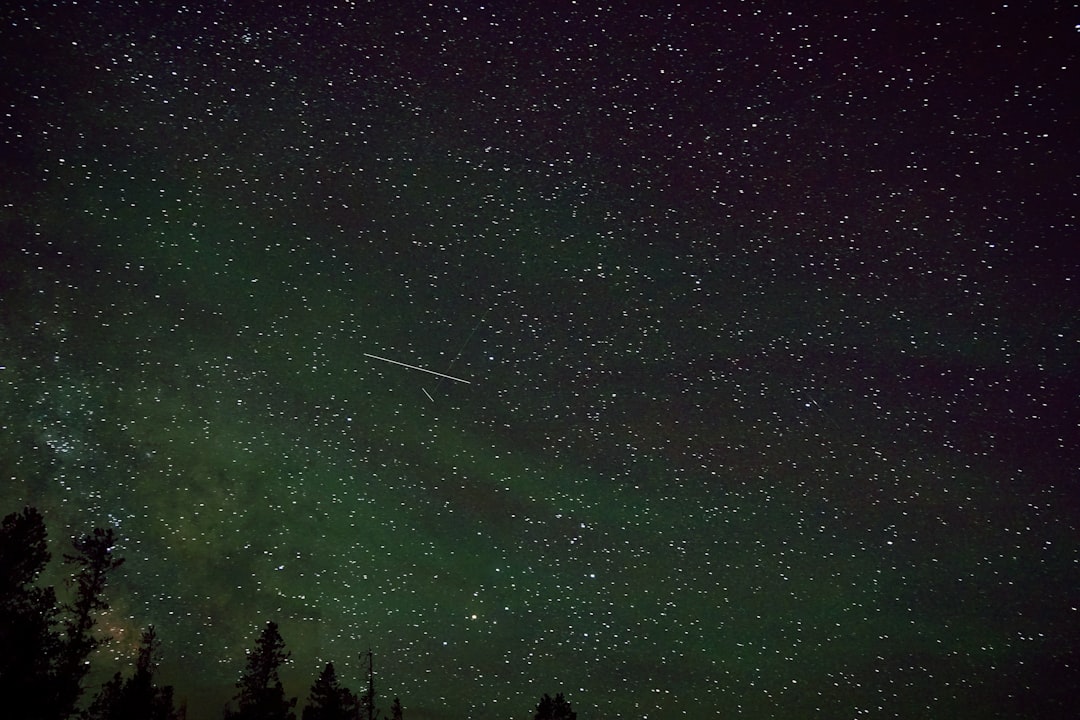
A Celestial Show Above the Front Range
Colorado stargazers are turning their eyes skyward this week as the Perseid meteor shower reaches its peak, offering Denver metro residents one of the more accessible astronomical events of the year. Unlike a total solar eclipse, which requires precise timing and travel to a narrow path of visibility, the Perseids simply require a clear night, a bit of patience, and — ideally — some distance from the city’s glow.
According to 9News, the Perseid shower is considered one of the best meteor showers of the year for Colorado viewers, and the state’s high elevation, dry climate, and abundance of public lands make it a particularly good place to catch the display. The Perseids occur annually when Earth passes through debris left behind by the comet Swift-Tuttle, with tiny particles burning up in the atmosphere to create the streaks of light known as shooting stars.
Why Denver’s City Lights Are the Enemy
For anyone watching from within Denver’s core, light pollution remains the biggest obstacle. Streetlights, building illumination, and general urban glow wash out all but the brightest meteors, meaning that even during a strong Perseid peak, city dwellers may only catch a handful of streaks per hour compared to dozens visible from darker locations.
That’s why 9News’ roundup of the best places to spot the Perseids in Colorado points stargazers toward locations well outside the metro core. Front Range favorites for escaping light pollution include Cherry Creek State Park, which offers accessible, close-in dark-sky viewing for those who don’t want to drive far from Denver, and Golden Gate Canyon State Park, which sits at higher elevation west of Golden and provides more rugged, tree-lined horizons away from suburban sprawl. Both parks are popular with locals specifically because they balance a relatively short drive from Denver with meaningfully darker skies.
For those willing to go farther, Colorado’s mountain parks and national forest land generally offer even better viewing conditions, since elevation and distance from metro light domes both improve visibility. Rural stretches of the plains east of the metro area can also work well, provided viewers find spots away from highway lighting and small-town glow.
Timing Your Viewing
Meteor showers like the Perseids are typically best viewed in the hours after midnight and before dawn, when the radiant point of the shower — the area of sky the meteors appear to streak from — is higher overhead. Viewers are generally advised to give their eyes at least 20 to 30 minutes to adjust to the darkness, avoid looking at phone screens, and use wide-open sky views rather than staring at any single point, since Perseids can appear anywhere overhead.
Colorado’s famously variable summer weather remains a wildcard. Storms moving through the region caused ground delays at Denver International Airport this week, according to CBS News, a reminder that cloud cover and thunderstorm activity can roll in quickly along the Front Range during August. Wildfire smoke, a recurring summer concern in Colorado, can also degrade sky clarity even on nights without cloud cover. Stargazers planning a trip to darker locations should check both weather forecasts and air quality conditions before heading out, since either factor can significantly diminish visibility even at prime viewing sites.
A Preview of Bigger Sky-Watching Events to Come
The Perseids’ popularity this week also comes amid renewed public interest in celestial events more broadly, spurred in part by ongoing conversation about when Colorado might next fall within the path of a total solar eclipse. According to 9News, Colorado is not due to see another total solar eclipse for some time, meaning the state’s next opportunity for that kind of dramatic sky event remains years away. That makes annual, reliably recurring shows like the Perseids an appealing stand-in for skywatchers who don’t want to wait for a once-in-a-generation eclipse to get outside at night and look up.
The contrast highlights something local astronomy enthusiasts often point out: while total solar eclipses require significant planning, travel, and luck with weather along a narrow path, meteor showers like the Perseids are democratic by comparison. Anyone with access to a reasonably dark sky and a clear night can participate, no special equipment required.
Practical Tips for Front Range Viewers
For Denver-area residents hoping to make the most of the peak, a few practical considerations can improve the experience:
- Get away from downtown and suburban light domes. Even a short drive to Cherry Creek State Park can noticeably improve visibility compared to viewing from inside city limits.
- Go higher and farther when possible. Golden Gate Canyon State Park and other mountain locations offer darker skies, though the added drive time is a tradeoff for many families and casual viewers.
- Watch the weather. With storms already causing disruptions at Denver International Airport this week, cloud cover is a real risk for anyone planning a dedicated viewing trip.
- Bring the basics. A blanket or reclining chair, warm layers even in August (mountain and plains nights cool quickly), and patience are the only real requirements — no telescope necessary, since meteors are best seen with the naked eye across a wide field of view.
- Give it time. Meteor rates fluctuate, and observers are typically encouraged to watch for at least 30 to 60 minutes to get a fair sense of activity.
The Takeaway
The Perseid meteor shower’s peak offers Denver-area residents a low-cost, low-commitment way to engage with astronomy without leaving the state or waiting years for a rare event. Whether choosing the convenience of Cherry Creek State Park or making the longer trip into Golden Gate Canyon’s darker skies, Front Range stargazers have real options for escaping the city’s glow this week. As always in Colorado, weather and smoke remain the wildcards — but for those who catch a clear night, the Perseids remain one of the most reliable shows the summer sky has to offer.