Denver's RTD Light Rail at 30: How Transit Shaped the Metro
A look at how Denver's light rail system transformed development and commuting since its 1994 debut, and the debates over its future.
A Milestone Three Decades in the Making
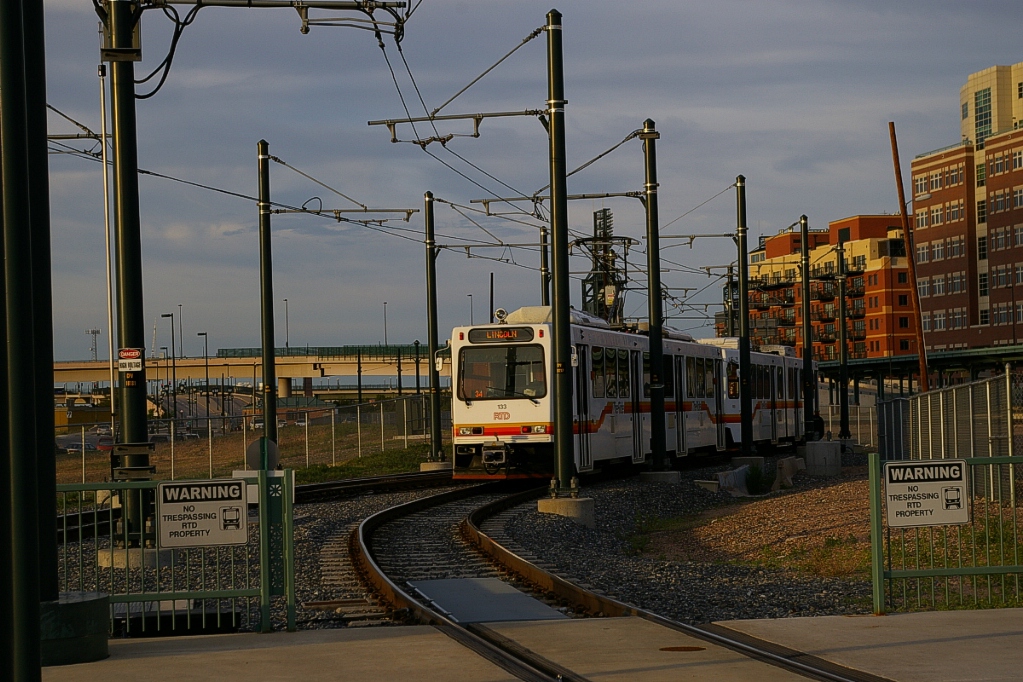
Thirty years ago, Denver joined a small club of American cities betting on rail to reshape how people move through a sprawling, car-dependent metro. In 1994, the Regional Transportation District opened its first light rail line — a short stretch through the Central Corridor connecting downtown Denver to the southern part of the city. It was a modest beginning: just over five miles of track. Today, RTD operates a light rail and commuter rail network spanning more than 100 miles across the metro area, one of the more extensive systems built from scratch in the western United States.
The anniversary offers a chance to look back at how transit has — and hasn’t — reshaped Denver, and to take stock of the debates still surrounding the system’s cost, safety, and future.
From Five Miles to a Regional Network
RTD itself dates back to 1969, when the Colorado legislature created the district to oversee bus service across the Denver area. But it was the 1994 light rail launch that marked a turning point, giving the region its first modern rail transit option in decades. The system expanded steadily through the late 1990s and early 2000s, adding lines to the southwest and southeast metro areas.
The biggest leap came in 2004, when metro-area voters approved FasTracks, a multibillion-dollar ballot measure funded through a sales tax increase. FasTracks promised a dramatic buildout: new rail lines to Denver International Airport, Arvada, Aurora, Golden, and beyond, along with expanded bus rapid transit. Some of that vision has been realized — the University of Colorado A Line to DIA, which opened in 2016, is often cited as one of the program’s signature successes, giving Denver a rail connection to its airport that many peer cities lack.
But FasTracks also became a cautionary tale in project management. Construction costs rose well beyond original estimates, due in part to the 2008 financial crisis, spiking material and labor costs, and disputes over rail line design, including the long-delayed and ultimately altered Northwest Rail line to Longmont and Boulder, which has never been built as originally envisioned. Critics have pointed to that unfulfilled promise for years as evidence that RTD overpromised what voter-approved tax dollars could deliver.
Transit-Oriented Development: RiNo and Union Station
Whatever the funding fights, few dispute that light rail and commuter rail reshaped development patterns in specific corridors. Denver’s Union Station, once a fading historic depot, was redeveloped into a multimodal transit hub completed in 2014, becoming an anchor for the surrounding neighborhood’s transformation into a dense mix of apartments, offices, restaurants, and hotels.
The River North Art District, known as RiNo, similarly grew alongside the expansion of the rail network, with proximity to stations cited by developers and city planners as a factor drawing investment into what had been industrial and warehouse space. Denver’s broader push toward transit-oriented development — building denser, mixed-use projects near stations — has been part of city planning policy for years, aimed at encouraging ridership while easing pressure on the region’s housing supply.
Transit advocates argue this pattern illustrates rail’s value beyond simple commuting: it can catalyze neighborhood investment, create walkable districts, and offer alternatives to driving in a metro area that has grown substantially in population since the 1990s. Skeptics counter that development near stations has also fueled gentrification concerns in some neighborhoods, with rising rents pushing out longtime residents even as transit access improved.
Ridership Trends and the Pandemic Reset
Ridership on RTD’s rail and bus network grew for much of the system’s history, but the COVID-19 pandemic delivered a severe blow starting in 2020, as remote work reduced commuter demand and public health concerns kept many riders away. RTD, like transit agencies nationwide, has worked since to rebuild ridership, with recovery uneven across different lines and times of day. Commuter-heavy routes into downtown have generally seen slower rebounds than routes serving broader travel patterns throughout the day.
The ridership question feeds directly into ongoing debates about RTD’s fare policy and financial sustainability. The agency has experimented with fare-free periods and discount programs in recent years, part of broader efforts to rebuild trust and usage. Supporters see these programs as necessary investments in reversing pandemic-era ridership losses and improving access for lower-income riders; critics have raised concerns about long-term revenue implications for an agency already grappling with capital funding gaps from the unfinished FasTracks promises.
Safety Concerns Along the System
Transit safety has also become a recurring topic in public discussion of RTD, with riders and advocacy groups raising concerns in recent years about incidents on trains and at stations, particularly on certain downtown and Union Station-area platforms. RTD has responded with increased security patrols and partnerships with local law enforcement at various points, though the adequacy of those measures remains a subject of debate among riders, transit workers, and elected officials who oversee the agency’s budget.
Balancing safety investment against service expansion and fare affordability remains one of the central tensions facing RTD’s board and management as the system enters its fourth decade.
What’s Next for Denver Transit
Looking ahead, RTD faces the unresolved question of how much of the original FasTracks vision it can still deliver, including the long-promised Northwest Rail extension to Boulder and Longmont, which remains without a firm construction timeline. Regional leaders continue to debate whether additional local or state funding will be needed to complete unfinished corridors, or whether the district should refocus resources on maintaining and improving the system already in place.
Transit advocates argue that continued investment is essential as the Denver metro area keeps growing, pointing to the role rail has played in shaping walkable, transit-connected neighborhoods and in offering an alternative to a highway system that faces its own congestion and expansion battles, including ongoing conversations about widening Interstate 25 and other corridors. Others, including some fiscal watchdogs and residents in outlying suburbs still without direct light rail access, argue RTD should prioritize fixing what exists and delivering on old promises before pursuing new ones.
A System Still Finding Its Footing
Thirty years after that first line opened, Denver’s light rail system stands as both a genuine achievement in regional transit-building and a reminder of the challenges inherent in large public infrastructure projects. It has undeniably shaped how and where the metro area has grown, particularly in corridors like Union Station and RiNo. At the same time, unresolved funding gaps, ridership recovery challenges, and safety concerns ensure that debates over RTD’s direction are far from settled.
As Denver continues to wrestle with growth, housing affordability, and transportation planning, the light rail system’s next decades may prove just as consequential — and just as contested — as its first thirty years.