
Noah Kahan's Coors Field Stop Anchors Denver's Big Concert Summer
Noah Kahan's Stick Season tour hits Coors Field as Denver's outdoor concert season peaks amid smoky skies and monsoon rain chances.
A Big Night at Coors Field, and a Bigger Question About Denver’s Summer Skies
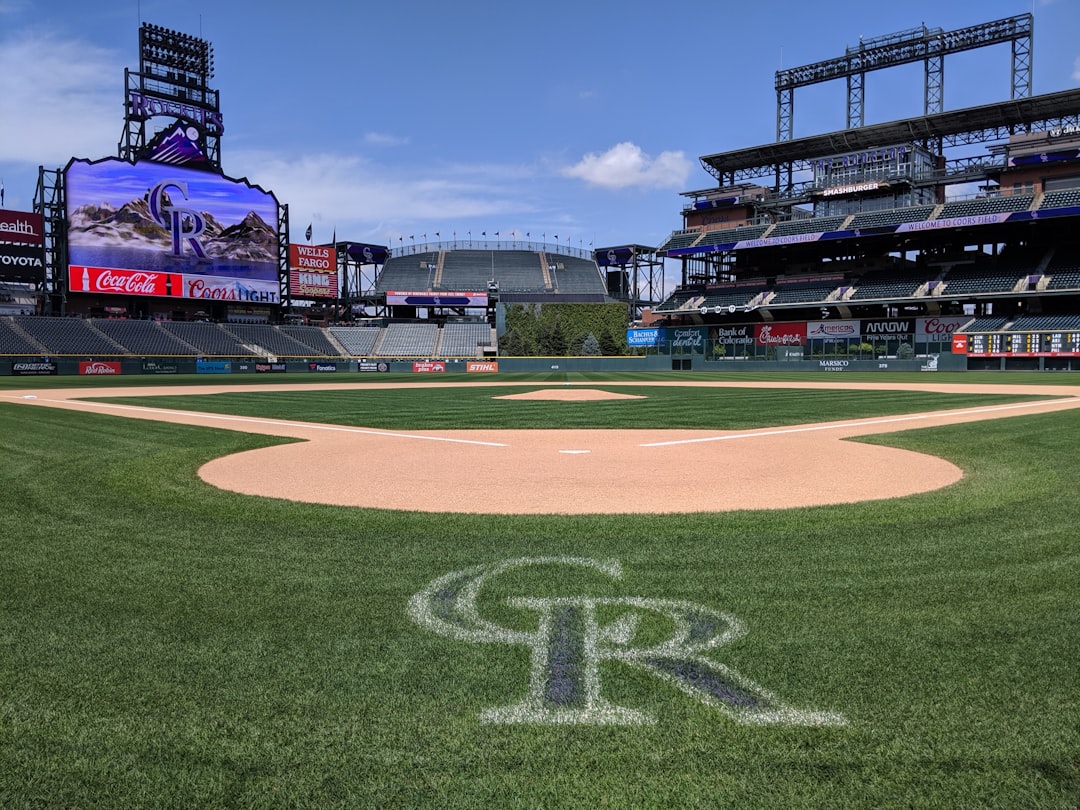
Noah Kahan’s Stick Season tour rolls into Coors Field this week, adding another marquee name to what has become one of Denver’s busiest outdoor concert summers in recent memory. The Vermont singer-songwriter, known for folk-pop hits like “Stick Season” and “Dial Drunk,” joins a growing list of acts turning the Rockies’ home ballpark into one of the region’s premier summer concert venues — a trend that has picked up steam as Coors Field and other outdoor stages around the metro area compete for a slice of Colorado’s lucrative live-music economy.
But this summer, staging a major outdoor show in Denver means grappling with more than ticket sales and setlists. Between wildfire smoke drifting across the Front Range, monsoon storms rolling in from the mountains, and the kind of afternoon heat that has become a seasonal fixture, concert promoters and venue operators are increasingly building weather and air-quality contingencies into the fabric of how they run these events.
Monsoon Season Arrives Right on Cue
According to CBS News, Colorado’s monsoon pattern has begun delivering rain to Denver and the mountains this week, a seasonal shift that typically brings afternoon and evening thunderstorms capable of producing lightning, gusty winds, and brief but intense downpours. For outdoor venues like Coors Field, that pattern is a familiar late-summer challenge: shows scheduled for evening hours can run headlong into exactly the kind of pop-up storm cells the monsoon is known for.
Major outdoor venues in the Denver area have long maintained weather-delay protocols for exactly this reason, typically pausing performances during lightning threats and resuming once storms clear the area — a precaution that has become almost routine at Coors Field, Fiddler’s Green Amphitheatre, and Red Rocks Amphitheatre during the July-through-September stretch when monsoonal moisture is most active. Fans attending the Kahan show, like those at other outdoor events this season, should expect the possibility of a rain delay or brief evacuation to concourse areas if lightning is detected nearby, a standard practice at large-capacity venues across the state.
Wildfire Smoke Adds a Second Layer of Uncertainty
Rain isn’t the only atmospheric wildcard shaping Denver’s concert season. Colorado is currently home to multiple active wildfires, according to a running tally from 9News, and smoke from those fires — as well as blazes burning in neighboring states — has periodically settled over the Front Range in recent weeks, degrading air quality and triggering health advisories.
For outdoor venues, that presents a quieter but equally significant challenge compared to lightning and rain. Unlike a thunderstorm, wildfire smoke doesn’t force an obvious pause in a show — but it does raise questions for concertgoers with asthma, respiratory conditions, or other sensitivities about whether an evening outdoors is advisable. Colorado’s public health officials have issued periodic air-quality alerts throughout the summer tied to wildfire smoke, and residents attending any outdoor gathering — concerts included — have been encouraged to check daily air-quality index readings before heading out, particularly during peak wildfire activity.
Venues generally do not cancel events for smoke alone absent a formal air-quality emergency, meaning the decision of whether to attend often falls to fans themselves, weighing personal health considerations against the appeal of a night at Coors Field.
A Summer of Weather-Disrupted Events
Denver’s outdoor event calendar has already had a bumpy run this summer. The combination of intense heat waves, sudden storm cells, and periodic smoke has forced organizers of concerts, festivals, and other outdoor gatherings across the metro area to adapt on the fly — a pattern that has repeated often enough this season to become something of a running theme for anyone tracking Denver’s events scene. While this article won’t rehash every specific incident, the broader trend is clear: 2026 has been a summer in which outdoor event planning in Denver requires as much attention to the National Weather Service as it does to a tour rider.
That reality has pushed venues, promoters, and city officials to lean more heavily on real-time monitoring tools, clear communication with ticket holders, and flexible rescheduling policies. Fans heading to Coors Field for Kahan’s show — or to any of the other major outdoor events happening around the same time this month — are increasingly advised to check venue websites and social media channels on the day of the show for updates on gates, delays, or safety guidance.
Coors Field’s Growing Role as a Concert Venue
The Kahan stop underscores how Coors Field has evolved beyond its baseball roots into a significant player in Denver’s live-entertainment economy. Hosting a stadium-scale concert requires extensive logistical coordination — from stage construction on the infield to crowd management for tens of thousands of fans — and organizers must build weather contingencies into nearly every phase of that planning, from load-in schedules to security staffing for potential delays.
For a market like Denver, where summer weather can shift from blue skies to hail in under an hour, that logistical complexity has become a cost of doing business for any venue chasing the kind of major touring acts that once bypassed the city in favor of coastal markets. Kahan’s stop, alongside other high-profile outdoor shows this season, suggests Denver remains an attractive stop for touring artists despite — or perhaps because of — its reputation as a city that knows how to put on a show, rain or shine.
What Fans Should Expect
For concertgoers planning to attend the Coors Field show, the practical takeaways mirror advice being repeated across Denver’s outdoor event scene this summer: check the forecast before leaving home, monitor air-quality indexes if you have respiratory sensitivities, dress for sudden temperature swings, and be prepared for the possibility of a delay if storms move through during the show. Venue staff and public address announcements typically provide guidance in real time if severe weather approaches.
Looking Ahead
As Denver moves deeper into the monsoon season, more outdoor events — concerts, festivals, and sporting events alike — will likely face similar weather calculus in the weeks ahead. Noah Kahan’s Coors Field stop is just one entry in a packed late-summer calendar, but it’s a useful lens for understanding how the city’s outdoor entertainment industry is adapting to a summer defined as much by its skies as by its sold-out shows. Whether the rest of the season brings more smoke, more storms, or simply more sold-out nights under the lights, Denver’s venues appear to be adjusting in real time — treating weather readiness as just another part of the production, right alongside sound checks and ticket scans.