
RTD Bus Tire Blowout on Peña Boulevard Injures Driver
An RTD bus blew a tire near Denver International Airport, injuring the driver and raising fresh questions about transit reliability on Peña Boulevard.
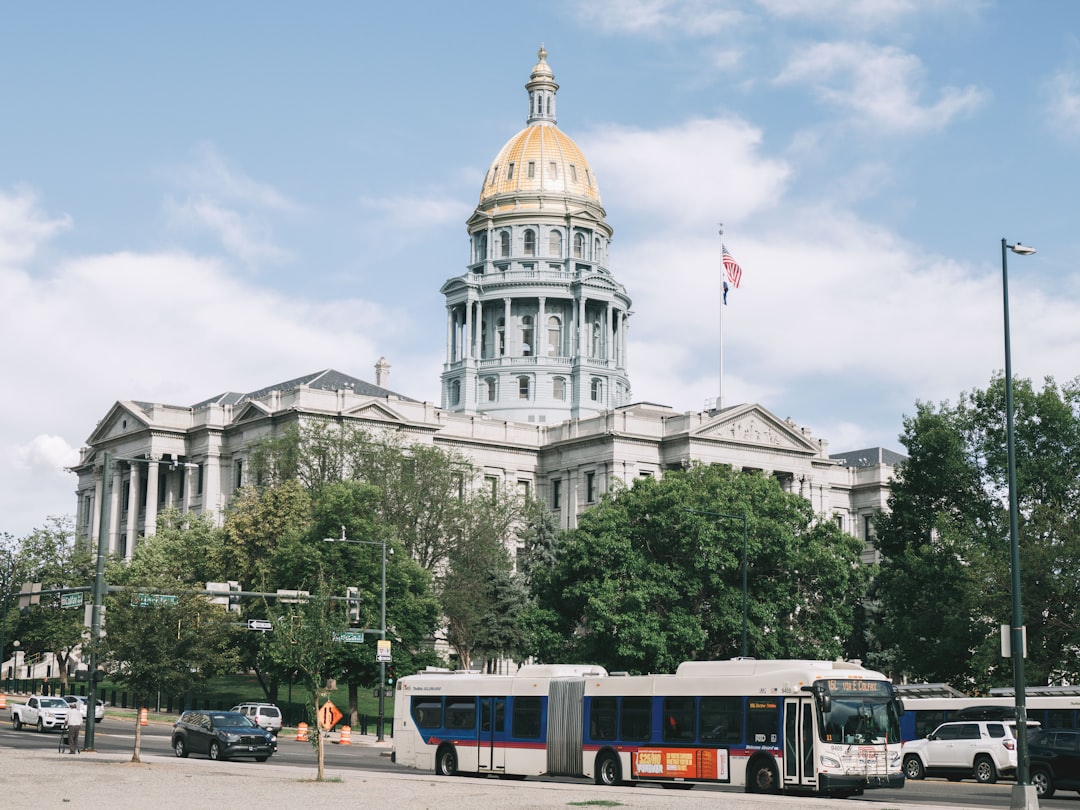
An RTD bus driver was injured Friday after a tire blew out on Peña Boulevard near Denver International Airport, according to a CBS News report. The incident adds to a string of concerns this year about the reliability of the region’s mass transit system, particularly along the high-speed corridor that serves as the primary lifeline connecting Denver to DIA.
What Happened
The blowout occurred on Peña Boulevard, the multi-lane highway that carries millions of travelers, airport employees and commuters between the metro area and DIA each year. According to CBS News, the driver of the RTD bus was hurt in the incident. Specific details about the severity of the driver’s injuries, the exact location of the blowout, and whether any passengers were aboard at the time have not been fully reported.
Peña Boulevard is known for its high speed limits and heavy volume of traffic moving to and from the airport at all hours, conditions that can turn a mechanical failure like a tire blowout into a serious hazard. The roadway has also been the site of other recent incidents; The Denver Post reported this week on a scooter rider who was killed in a crash near the airport after falling onto the road, underscoring the broader safety challenges along this corridor even as authorities have not linked that incident to the bus tire blowout.
RTD’s Response and Standard Protocol
RTD, the Regional Transportation District, operates bus service to and from DIA as part of its broader network, including the popular A Line rail connection and various bus routes that serve airport employees and travelers who prefer not to drive or pay for long-term parking. When a mechanical failure occurs on an in-service vehicle, transit agencies like RTD typically follow established protocols that include removing the vehicle from service, dispatching another bus to accommodate any stranded riders, and initiating an internal safety review of the vehicle involved. It is not yet known publicly whether RTD has released additional details about its response to Friday’s blowout, including whether the bus was taken out of rotation for inspection or whether the agency has commented on the cause of the tire failure.
Context: RTD Under Scrutiny
This incident lands at a moment when RTD has already faced sustained public and media attention over service reliability, staffing shortages and budget pressures. Colorado’s largest transit agency has spent much of the past year contending with driver shortages that have forced service cuts and schedule adjustments across multiple routes, frustrating riders who depend on buses and trains for daily commutes. Budget constraints have also fueled debate among transit advocates, city officials and riders about how RTD prioritizes maintenance, vehicle replacement and staffing amid competing demands.
For many metro-area residents, RTD’s DIA-bound routes are not a convenience but a necessity. Airport employees, particularly those working overnight or early-morning shifts, often rely on bus service because parking near DIA can be costly or logistically difficult. Travelers without cars, out-of-town visitors, and residents looking to avoid the expense of rideshare services to and from the airport also depend heavily on reliable RTD connections. Any disruption, whether from mechanical failure, staffing gaps, or scheduling problems, can ripple through travel plans in ways that go beyond a single missed bus.
Safety Concerns on Peña Boulevard
Peña Boulevard’s design as a limited-access, high-speed highway means that mechanical failures involving large vehicles like buses carry heightened risk. Transportation safety experts generally note that tire blowouts on heavy vehicles traveling at highway speeds can lead to loss of control, and the consequences can be severe depending on traffic conditions and the driver’s ability to manage the vehicle during the failure. The corridor has seen other serious incidents this year, including the fatal scooter crash reported by The Denver Post, which together raise ongoing questions among commuters and safety advocates about infrastructure and vehicle maintenance standards on one of the region’s busiest and fastest roadways.
Riders and commuters who use RTD’s airport routes have voiced broader frustrations in recent months about service consistency, though specific reactions to Friday’s blowout have not yet been widely reported. The incident is likely to renew conversations among transit riders and advocacy groups about whether RTD’s vehicle maintenance schedules and fleet age are keeping pace with the demands placed on the system, particularly on routes serving DIA where reliability is critical for travelers with flights to catch.
What Remains Unknown
As of this report, several key details remain unclear: the exact cause of the tire blowout, the current condition of the injured driver, whether passengers were on board, and what specific steps RTD has taken or plans to take in response. Follow-up reporting from local outlets will likely clarify these points as RTD and possibly the Colorado State Patrol, which typically responds to serious incidents on state highways, provide additional information.
Looking Ahead
The blowout on Peña Boulevard is a reminder of the stakes involved when transit systems serve critical, high-speed corridors like the DIA connector. For a transit agency already navigating public scrutiny over staffing and budget pressures, incidents involving driver safety and vehicle mechanical failures add another layer of concern for riders who depend on the system daily. As more information becomes available about the driver’s condition and the cause of the failure, Front Range Report will continue to follow developments and provide updates on RTD’s response and any changes to service or safety protocols that may follow.
For now, the incident stands as a stark illustration of the everyday risks embedded in the region’s transportation infrastructure, and a fresh test of RTD’s ability to reassure riders that its fleet and routes to one of the busiest airports in the country remain safe and dependable.