
Salmonella Outbreak Linked to Jalapeños Hits Denver Chipotle, Qdoba
A salmonella outbreak tied to jalapeños at Colorado Chipotle and Qdoba locations has health officials investigating and diners on alert across the Denver metro.
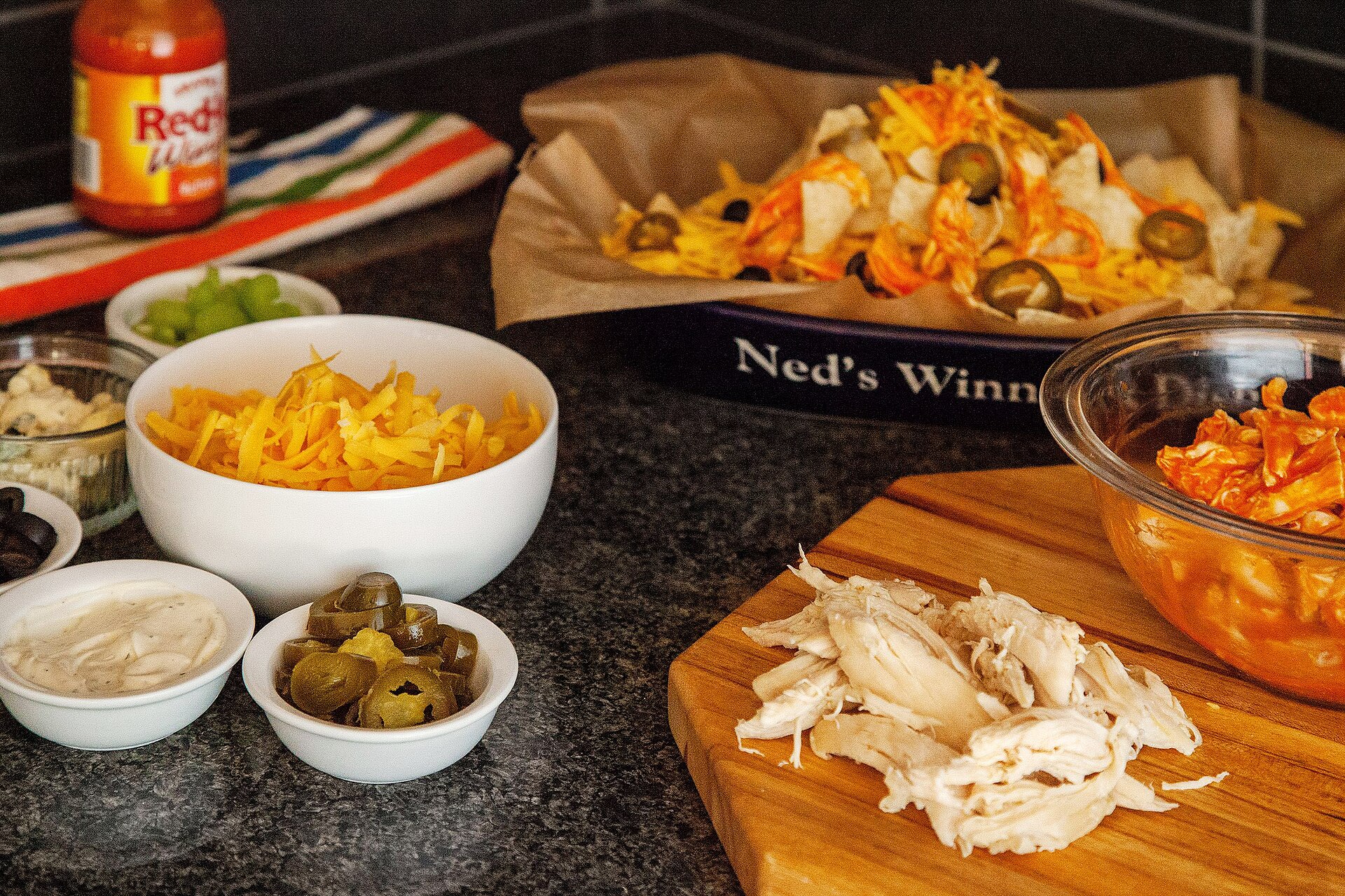
Outbreak Under Investigation
Colorado health officials are investigating a salmonella outbreak linked to jalapeños served at Chipotle and Qdoba locations, according to reporting from The Denver Post. The outbreak has prompted scrutiny of a shared ingredient across two of the state’s most popular fast-casual chains, both of which built their brands on fresh, made-to-order Mexican food including salsa bars and topping stations where raw jalapeños are commonly served.
Details on the exact number of illnesses, the specific restaurant locations affected, and the timeline of the outbreak are still emerging. As with most foodborne illness investigations, health officials typically work backward from reported cases — interviewing sick patients about what they ate and where, then cross-referencing those answers to identify a common source. That process, which involves state epidemiologists, local health departments, and often the Colorado Department of Public Health and Environment (CDPHE), can take days or weeks to fully map out.
What We Know — and What Remains Uncertain
Salmonella is a bacterial infection that typically causes diarrhea, fever, and abdominal cramps within 12 to 72 hours of exposure. Most healthy adults recover within four to seven days without medical treatment, though the illness can be more severe — and occasionally life-threatening — for young children, older adults, pregnant women, and people with weakened immune systems.
Jalapeños and other fresh peppers have been linked to salmonella outbreaks before, both in Colorado and nationally, often traced back to contamination at the farm or packing level rather than at the restaurant itself. That distinction matters: an outbreak tied to a specific produce shipment can affect multiple restaurant chains that happen to source from the same supplier, even if those chains have no other connection to one another.
At this stage, it remains unclear whether the jalapeños served at the affected Chipotle and Qdoba locations came from the same distributor, whether the contamination happened before the peppers arrived at the restaurants, or whether additional restaurants or grocery stores could be implicated as the investigation widens. Outbreak investigations frequently expand or narrow in scope as more test results and interviews come in, and health officials generally caution against drawing firm conclusions about the full scale of an outbreak in its early stages.
How Health Officials Typically Respond
When a foodborne illness cluster is identified, CDPHE and local county health departments — including Denver Public Health, Tri-County Health, and Jefferson County Public Health, depending on where affected restaurants are located — generally follow a standard protocol. That includes:
- Collecting samples of suspect food items for laboratory testing
- Conducting interviews with people who reported illness to determine common exposures
- Inspecting food handling, storage, and preparation practices at implicated locations
- Tracing the supply chain back to distributors and growers when a specific ingredient is suspected
- Issuing public health advisories if a clear risk to consumers is identified
Restaurants named in an outbreak investigation are often asked to voluntarily pull suspect ingredients from their supply chain while testing continues, even before a definitive source is confirmed. Chipotle in particular has faced high-profile foodborne illness outbreaks in the past, including a widely publicized 2015-2016 series of E. coli and norovirus incidents that prompted the company to overhaul its food safety protocols, add ingredient-testing programs, and centralize some food prep. Qdoba, a Colorado-founded chain now headquartered in San Diego but with deep roots in the Denver metro, has not faced comparable scrutiny in recent years.
Corporate Response
Neither Chipotle nor Qdoba has publicly detailed the specific locations affected or issued extensive public statements beyond acknowledging the investigation, based on available reporting. Companies facing active health investigations typically work directly with state and local health departments and may be limited in what they can disclose publicly while testing is ongoing, both for legal reasons and because health officials generally prefer to control the release of information as facts are confirmed.
Diners should expect that any confirmed findings — including which specific locations, if any, are directly implicated — would be communicated through CDPHE or local health department channels rather than through the companies themselves.
What Denver-Area Diners Should Do
For residents who have eaten at Chipotle or Qdoba locations in the Denver metro recently and are experiencing symptoms consistent with salmonella — including diarrhea, fever, nausea, vomiting, or abdominal cramping — health officials generally recommend:
- Contacting a health care provider, particularly if symptoms are severe, persistent beyond a week, or accompanied by high fever or bloody stool
- Staying hydrated, since dehydration is the primary risk from salmonella infection
- Avoiding food preparation for others while symptomatic, since salmonella is contagious
- Reporting suspected foodborne illness to the local health department, which helps investigators identify additional cases and narrow down the source
There is currently no indication that all Chipotle or Qdoba locations statewide are affected, and it’s important not to assume risk extends beyond the restaurants actually implicated in the investigation. Still, the uncertainty inherent in an active outbreak investigation means diners in the Denver area may reasonably want to pay closer attention to any symptoms in the coming days, particularly if they recently ate at either chain.
A Familiar Pattern for Fast-Casual Dining
Outbreaks tied to fresh produce toppings — jalapeños, cilantro, tomatoes, lettuce — have periodically affected the fast-casual dining sector nationally, given the high volume of raw, minimally processed ingredients these chains use compared with traditional fast food. Colorado, with its dense concentration of Chipotle and Qdoba locations along the Front Range, is not unfamiliar with this kind of scrutiny.
As the investigation continues, Front Range Report will provide updates as CDPHE, Denver Public Health, or the restaurant chains release additional information. In the meantime, residents are encouraged to monitor official health department communications rather than relying on social media speculation, which tends to outpace confirmed facts in the early days of any outbreak investigation.