
Wildfire Smoke Blankets Colorado: How Denver Neighbors Cope
All 64 Colorado counties face air quality alerts as wildfire smoke settles over Denver, prompting residents to adjust outdoor plans and check on vulnerable neighbors.
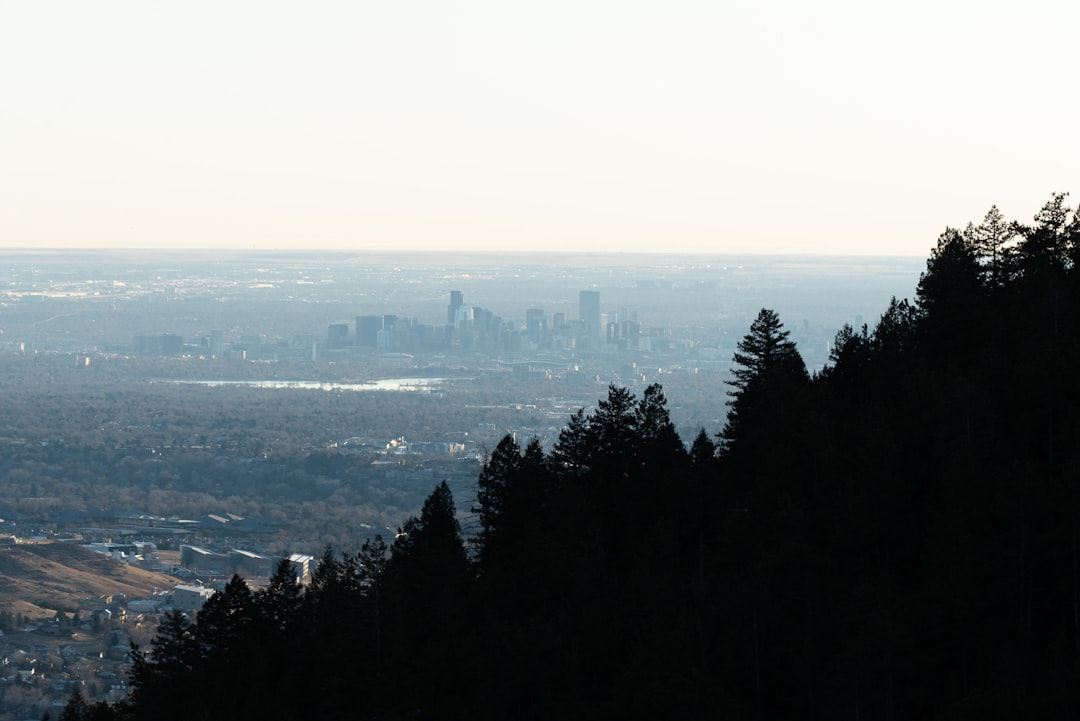
A hazy gray-brown shroud settled over the Front Range this week as wildfire smoke pushed air quality alerts across all 64 of Colorado’s counties, according to 9News. The statewide alert, one of the broadest in recent memory, has prompted Denver residents to rethink everything from evening bike rides to whether it’s safe to leave windows open overnight.
The smoke arrived during an already turbulent stretch of weather. Just a day before the air quality alert was issued, severe weather over Denver forced 22 flights to divert from Denver International Airport to Colorado Springs, with five people injured by turbulence, CNN and The Denver Post reported. CBS News noted the diversions were tied to both the rough conditions and resulting medical concerns aboard affected flights. While the turbulence event and the smoke are separate phenomena, both point to an unusually active and disruptive weather pattern gripping the region this week.
Why the Skies Turned Smoky
Colorado Public Radio reported this week on the reasons behind the thick, smoky skies blanketing the state — a combination of wildfire activity and atmospheric conditions that have trapped smoke closer to the ground rather than letting it disperse. The result has been days of muted sunlight, orange-tinged sunsets, and the acrid smell of smoke drifting through neighborhoods from Capitol Hill to Aurora to the foothill communities west of town.
With the alert covering the entire state, there’s essentially no corner of Colorado escaping the haze, from the Eastern Plains to the mountain resort towns to the Denver metro core. That statewide scope has made the story different from the more localized wildfire smoke events Coloradans have grown accustomed to in recent summers.
How Denver Neighborhoods Are Responding
For many Denver residents, the practical response has been simple avoidance: shorter walks, canceled outdoor workouts, and a shift toward keeping windows shut during what would otherwise be pleasant August evenings. Parents have had to make quick calls about whether soccer practice, day camp, or recess should move indoors. Local governments and school districts across smoke-affected areas typically lean on guidance from the Colorado Department of Public Health and Environment during these alerts, which generally recommends limiting prolonged outdoor exertion, especially during peak afternoon hours when smoke concentrations can spike.
Neighborhood-level coping has also taken a more communal turn. In a city where extreme weather — whether it’s a sudden hailstorm, a heat wave, or now days of hazardous air — tends to bring out check-in culture among neighbors, some Denver residents have been reaching out to older neighbors and those with respiratory conditions to see if they need supplies, air purifiers, or simply a ride somewhere so they can avoid time outside. Community health advocates have long pointed to wildfire smoke as a particular danger for people with asthma, COPD, heart conditions, and for young children and pregnant women, groups the CDPHE and national health agencies routinely flag during smoke advisories.
Balancing Normal Life With Bad Air
Not everyone has the luxury of simply staying inside. Outdoor workers, unhoused residents, and those without reliable air conditioning or air filtration face a tougher set of choices during extended smoke events. Denver’s patchwork of community resources — recreation centers, libraries, and cooling or clean-air spaces sometimes opened during extreme air quality events — can serve as informal refuges, though the current alert had not, as of this week, prompted the kind of emergency shelter response Denver sometimes mounts during extreme heat or cold.
For pet owners, the smoke has meant shorter dog walks and closer attention to pets showing signs of respiratory distress, a common concern local veterinarians raise during wildfire smoke events. Runners and cyclists — a significant part of Denver’s outdoor-oriented culture — have had to weigh training plans against health guidance, with many opting for treadmills and stationary bikes or simply taking rest days until skies clear.
A Week of Overlapping Weather Disruptions
The smoke alert lands in the same week Denver dealt with the aftermath of severe turbulence that forced more than two dozen flights away from DIA. The Denver Post and CBS News both reported on the scale of the diversions, which sent aircraft to Colorado Springs and left passengers and crew dealing with injuries and delays. While the turbulence event was driven by a separate weather system than the smoke, the back-to-back disruptions have added to a sense that this has been an unusually turbulent week — literally and figuratively — for Colorado weather.
Meteorologists and public health officials will be watching whether shifting wind patterns bring relief in the coming days or whether the statewide alert persists. Wildfire smoke events in Colorado have increasingly extended beyond the traditional fire season disruptions of years past, with smoke drifting in from fires burning elsewhere in the West as well as in-state.
What Residents Can Do
Public health guidance during wildfire smoke alerts generally includes staying indoors when possible, using air purifiers or HVAC systems with clean filters, avoiding strenuous outdoor activity, and keeping an eye on local air quality index readings before heading outside. Residents with respiratory or cardiac conditions are typically advised to keep rescue medications on hand and to contact a physician if symptoms like shortness of breath, chest tightness, or persistent coughing develop.
As Denver waits for clearer skies, the response across neighborhoods has largely been one of adaptation — adjusted schedules, closed windows, and a renewed attentiveness to neighbors who may be more vulnerable to the smoke than others. It’s a familiar rhythm for a state that has increasingly had to build wildfire smoke into its list of seasonal weather concerns, alongside hail, blizzards, and now, this week, a stretch of severe turbulence that grounded dozens of flights bound for the Mile High City.