
Turbulence Injures 5 as Storms, Smoke Snarl Denver Flights
Severe weather forced 22 Denver flights to divert to Colorado Springs and injured passengers, as wildfire smoke keeps compounding air quality woes.
Severe Weather Grounds Denver Air Travel
A violent stretch of weather over the Front Range Monday night sent shockwaves through Denver International Airport’s operations, injuring five people and forcing 22 flights to divert to Colorado Springs, according to CNN and The Denver Post. The incident adds a jarring public-safety dimension to a week already marked by hazardous air quality from wildfire smoke drifting across Colorado.
What Happened Monday Night
Severe weather moving through the Denver area Monday evening triggered significant turbulence on flights approaching or departing DIA, according to CNN. Five people were injured as a result, though details on the severity of those injuries and the specific flights involved have not been fully disclosed in initial reporting.
As the storms intensified, air traffic controllers and airlines rerouted 22 flights bound for Denver to Colorado Springs Airport instead, both CNN and The Denver Post reported. Diversions of that scale represent a substantial disruption for a major hub airport like DIA, which ranks among the busiest airports in the country and serves as a critical connection point for Rocky Mountain region travel.
The exact nature of the “severe weather” — whether it involved thunderstorms, wind shear, hail or a combination — was described broadly in early coverage, and airlines have not released a full breakdown of which carriers or flight numbers were affected. Passengers who landed in Colorado Springs faced the added inconvenience of arranging ground transportation or rebooking to complete their trips to Denver, a roughly 70-mile detour that can add hours to a travel itinerary already disrupted by weather delays.
A Rough Week for Front Range Air Quality
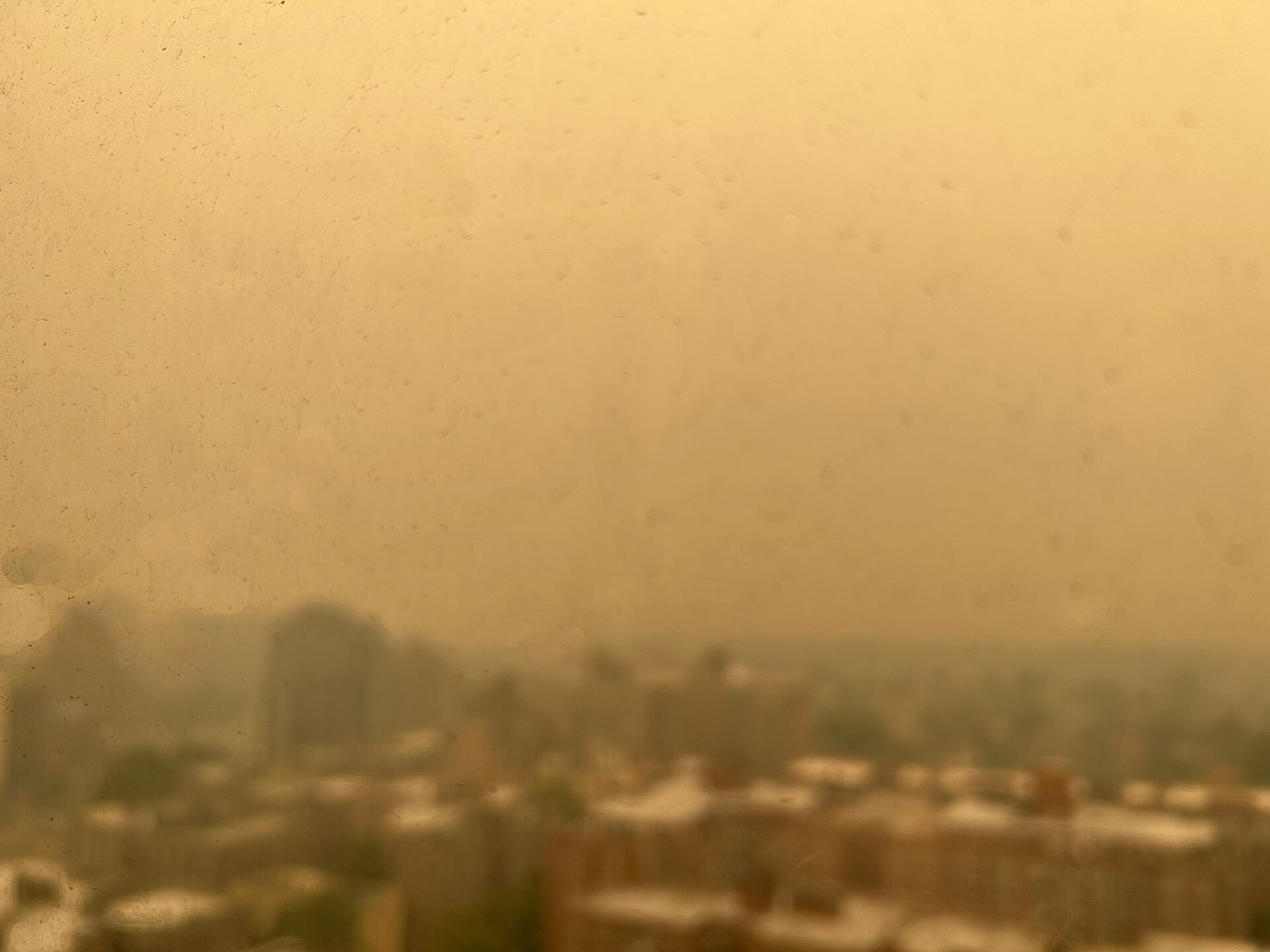
The turbulence incident didn’t happen in isolation. It capped a week in which wildfire smoke has been blanketing Colorado skies, creating a second, slower-moving public health concern layered on top of the storm disruptions.
According to Colorado Public Radio, smoke from wildfires has been drifting into the state, degrading visibility and air quality across the Front Range. CBS News reported that even as cooler air moved into Denver this week, offering some relief from recent heat, the wildfire smoke has persisted, keeping air quality poor across much of Colorado. 9News similarly reported Monday that Denver was contending with wildfire smoke as a cool front pushed into the region — the same broad weather pattern shift that appears to have set the stage for Monday night’s severe storms and turbulence.
The combination illustrates how quickly Colorado’s summer weather can swing between extremes: from smoke-choked, stagnant air to sudden severe thunderstorm activity capable of producing dangerous turbulence for aircraft. For Front Range residents, it has meant a week of mixed warnings — stay indoors because of unhealthy air one day, brace for storms and potential flight disruptions the next.
Health and Travel Impacts Compound
For travelers, the diversions and turbulence injuries underscore a practical reality: severe weather in Colorado can strike with little warning, particularly during the summer storm season when afternoon and evening thunderstorms are common along the Front Range and over the Rockies. Fliers heading to or from DIA this week should anticipate potential delays and check with airlines directly for updated flight status, particularly during evening hours when storm activity tends to peak.
At the same time, the wildfire smoke problem carries its own set of risks, particularly for people with respiratory conditions, older adults, children and anyone who spends extended time outdoors. Poor air quality driven by wildfire smoke has been a recurring summer issue across Colorado in recent years, and this week’s conditions, as reported by CBS News and Colorado Public Radio, continue that pattern even as temperatures cool slightly.
Health officials have long advised Coloradans to monitor local air quality index readings during smoke events and to limit outdoor exertion when levels are elevated. While specific health advisories tied to this week’s smoke were not detailed in available reporting, the persistence of poor air quality despite the arrival of cooler, storm-producing air suggests the smoke is originating from fires burning outside the immediate region and settling over Colorado through prevailing wind patterns.
Airport and Airline Response
Neither DIA nor specific airlines have released detailed public statements beyond confirming the diversions and the scale of the disruption, based on available reporting from CNN and The Denver Post. Typically, when large numbers of flights divert to a secondary airport like Colorado Springs, airlines coordinate with that facility to refuel aircraft, and in many cases, flights continue on to Denver once weather clears rather than requiring passengers to deplane and rebook entirely. However, the specifics of how each of the 22 diverted flights were ultimately resolved — whether passengers eventually reached Denver by air or were bused, or faced overnight delays — were not detailed in initial coverage.
Airport disruptions of this scale often ripple forward, affecting subsequent flight schedules, crew availability and connecting itineraries well beyond the initial storm event. Travelers flying in or out of DIA in the days following Monday’s incident should expect the possibility of residual delays as airlines work to reposition aircraft and crews.
The Bigger Picture
Monday night’s turbulence incident and flight diversions serve as a stark reminder of how Colorado’s dramatic weather swings — from wildfire smoke to sudden severe storms — can directly affect daily life along the Front Range, whether through respiratory health concerns or the more immediate physical risks posed by violent turbulence.
As wildfire season continues and summer storm patterns remain active, Denver-area residents and travelers alike are likely to face more weeks like this one: watching air quality reports in the morning and storm forecasts by afternoon. For now, DIA appears to be operating normally following Monday’s disruption, but the episode adds to a growing list of weather-related headaches confronting Colorado this summer.