
Denver Nightlife Overhaul: Safety Rules In, 4 a.m. Bars Out
Denver City Council approved new nightlife safety regulations while rejecting a 4 a.m. closing time, balancing bar owners, residents and public safety.
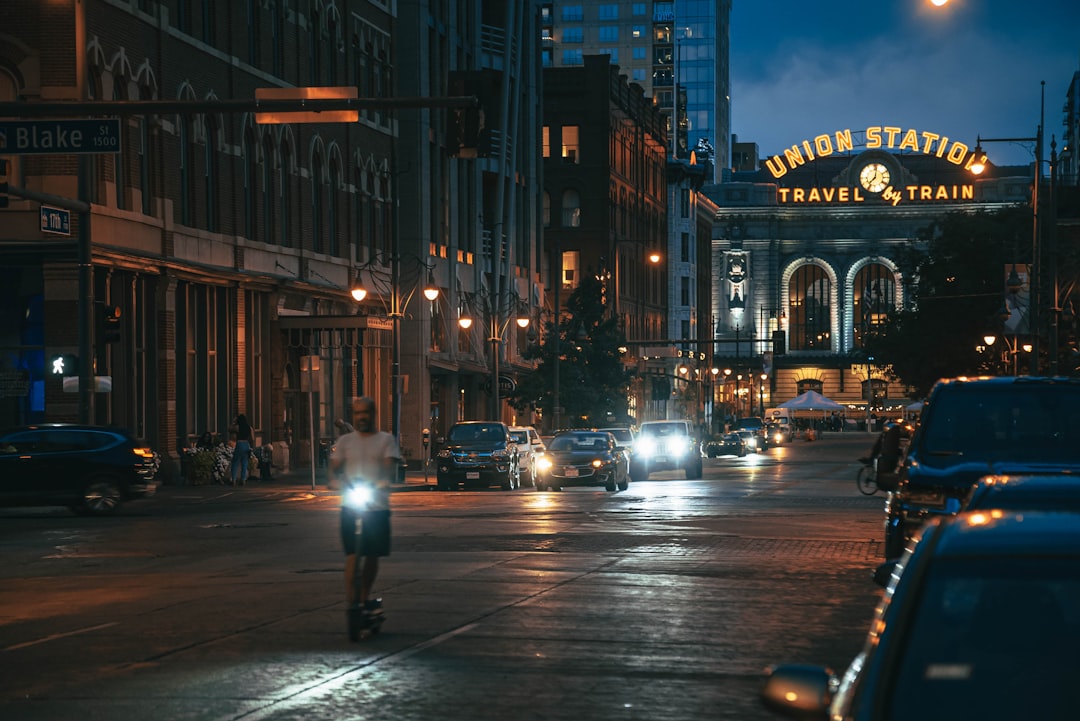
A Compromise on the City’s Nightlife Rules
Denver City Council has approved a package of new nightlife safety regulations while rejecting a more sweeping proposal that would have forced bars and clubs to close by 4 a.m., according to reporting from Denver7 and Denverite. The vote caps months of debate over how to balance a thriving late-night economy against growing concerns about violence, street takeovers and public safety in the city’s entertainment districts.
The decision lands at a moment when Denver’s nightlife corridors have drawn heightened scrutiny. In recent days alone, police have investigated an illegal street takeover with no arrests made, according to the Denver Post and Denver7, and a stabbing incident in the Globeville neighborhood tied to a family disturbance, as reported by CBS News. While those specific incidents weren’t necessarily tied to bar closing times, they reflect the broader public safety anxieties that have shaped the council’s yearslong effort to rein in problems associated with the city’s late-night scene.
What Passed: A Safety-First Approach
According to Denver7’s coverage of the council vote, the approved package includes a range of new requirements aimed at improving security and coordination among nightlife venues, licensing authorities and police. The regulations are designed to give the city more tools to hold problem establishments accountable while improving communication between venue operators and law enforcement during high-risk hours.
The exact mechanics of the plan — expanded security protocols, stricter licensing conditions, and closer coordination requirements between bar owners and city safety officials — represent an attempt to address the underlying causes of nightlife-related incidents without resorting to a blunt-instrument approach like an earlier last call.
What Got Cut: The 4 a.m. Closing Time
The most closely watched piece of the original proposal — a pilot program that would have allowed or mandated some venues to close by 4 a.m. — did not survive the final vote. Denverite reported that the council ultimately killed the 4 a.m. closing time proposal, marking a significant retreat from what had been one of the more contentious elements of the broader nightlife safety conversation.
The 4 a.m. concept had been pitched in some circles as a way to stagger closing times and reduce the surge of intoxicated patrons flooding streets simultaneously at the traditional 2 a.m. cutoff — a dynamic that critics have linked to fights, street takeovers and strain on police resources. But the idea drew strong pushback from segments of the hospitality industry, who argued it threatened to undercut Denver’s competitiveness as a nightlife destination and could hurt bars and venues already operating on thin margins.
Bar and Venue Owners Weigh the Impact
For bar and venue owners, the council’s decision to scrap the 4 a.m. proposal will likely be received as a relief, since an extended closing window carried the risk of higher staffing costs, security demands and liability exposure without a clear guarantee of increased revenue. Industry representatives have long cautioned that late-night establishments already operate under tight margins and heavy regulatory scrutiny, and that additional mandates — even well-intentioned ones — can push venues toward closure or relocation outside city limits.
At the same time, the safety regulations that did pass will still require nightlife businesses to adapt. New security and licensing requirements typically translate into added costs, whether through hired security staff, camera systems or compliance paperwork. Venue owners have historically pushed back on measures they see as disproportionately burdensome to law-abiding businesses that are simply trying to operate in high-traffic entertainment zones like LoDo, RiNo and Colfax Avenue.
Residents and Public Safety Advocates Push Back
On the other side of the debate, neighborhood residents living near Denver’s busiest nightlife corridors have for years raised alarms about noise, violence and chaotic scenes spilling into residential streets after bars let out. The recent illegal street takeover reported by the Denver Post and Denver7 — in which police made no arrests despite the disruption — is emblematic of the kind of incident that has fueled resident frustration and demands for stronger city intervention.
Residents and safety advocates have generally supported measures that increase accountability for venues and give police more tools to respond to problems before they escalate, arguing that the current system leaves neighborhoods to absorb the fallout from nightlife-related disturbances. For these constituents, the newly passed security and coordination requirements represent a partial win, even if the more dramatic 4 a.m. closing measure didn’t make it across the finish line.
Council Members Navigate a Difficult Balance
City council members were tasked with threading a needle between these competing interests — protecting a nightlife economy that generates significant tax revenue and jobs while responding to constituents demanding safer streets. The final vote, as described by Denver7, reflects a negotiated middle ground: meaningful new safety infrastructure without the more disruptive closing-time mandate that had divided stakeholders throughout the public process.
The debate over Denver’s nightlife rules also arrives against a backdrop of other unresolved public safety concerns in the city. Denver Police recently renewed a public plea for tips after charges were dropped in a homicide case, according to 9News, underscoring broader challenges facing the department’s ability to secure convictions and maintain public trust even as it takes on added responsibilities under the new nightlife framework.
What Comes Next
With the regulations now approved, attention will shift to implementation — specifically, how the city and Denver Police enforce the new security and licensing requirements, and whether they measurably reduce incidents like street takeovers and late-night violence in nightlife districts. Bar and venue owners will be watching closely to see how compliance costs shake out in practice, while residents will be gauging whether the changes translate into calmer streets after closing time.
The rejection of the 4 a.m. closing time doesn’t necessarily mean the idea is dead for good. Similar proposals have surfaced in other cities grappling with late-night violence, and Denver officials could revisit some version of staggered closing times if the newly passed safety measures fail to produce the desired results. For now, though, the city has chosen a path that keeps Denver’s bars open on their traditional schedule while betting that better coordination, security and licensing oversight can address the underlying safety concerns without reshaping the city’s nightlife economy altogether.