
Hazy Skies, Heat Push Denver to Rethink Outdoor Gatherings
As wildfire smoke and triple-digit heat blanket the Front Range, Denver community groups and event organizers adapt to protect public health.
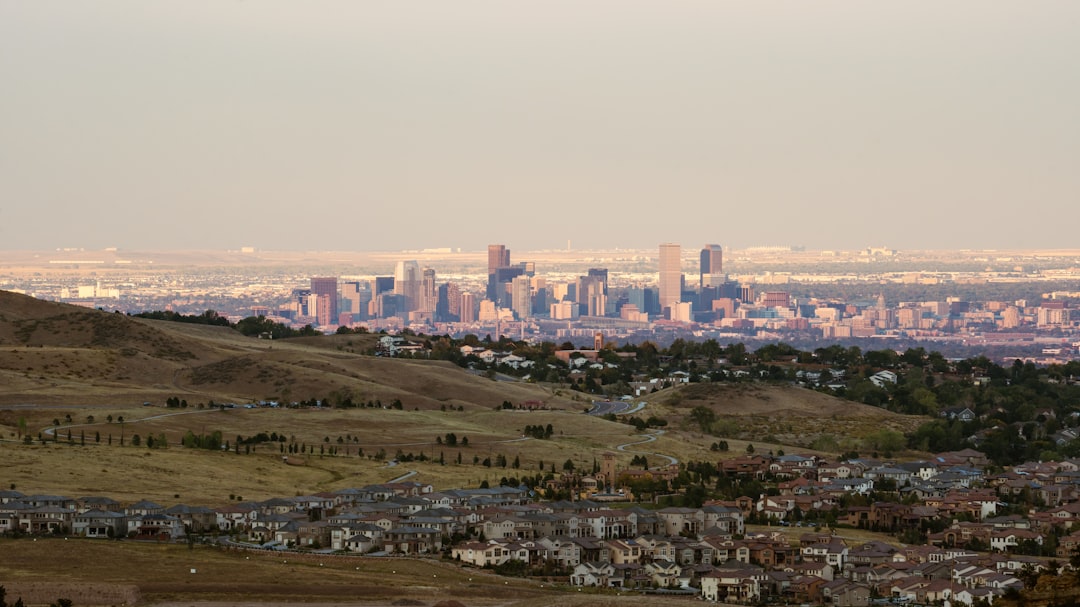
A Summer Sky Turned Gray
Denver’s summer skyline has taken on an unfamiliar cast this week — not the deep blue typical of a Colorado August, but a milky haze that has residents squinting toward the Rockies and checking air quality apps before heading outdoors. According to the Denver Post, triple-digit heat has combined with wildfire smoke drifting in from the Pacific Northwest to blanket the Front Range, while Denverite reports that additional smoke from wildfires burning in Utah has thickened the haze settling over the metro area.
The dual assault of extreme heat and smoke has forced a shift in how Denver-area neighborhoods and organizers think about the simple act of gathering outside — long a hallmark of Colorado summers, from block parties to farmers markets to evening runs along the Cherry Creek Trail.
When Heat Meets Haze
Denver is no stranger to triple-digit days in late summer, but the addition of wildfire smoke changes the calculus for public health in ways that heat alone does not. Smoke carries fine particulate matter that can aggravate asthma, heart conditions, and respiratory illness, and that risk compounds when people are already straining their bodies in extreme heat. The Denver Post’s reporting on the current weather pattern notes that the smoke arriving from the Pacific Northwest is layering on top of an already punishing heat wave, a combination that air quality officials and meteorologists have flagged as particularly taxing on vulnerable residents.
Denverite’s coverage of the Utah-sourced smoke underscores that this is not a strictly local problem — it’s a regional one, with fires burning hundreds of miles away sending haze rolling across state lines and settling into the Denver basin, where mountain geography can trap pollutants close to the ground.
For many residents, the visible effect is the most immediately unsettling: a sun that looks muted and orange through the haze, mountain views obscured, and a faint smell of smoke on the air even far from any flames.
Community Groups Adjust Their Plans
Across Denver’s neighborhoods, community organizers who typically fill the summer calendar with outdoor events are having to weigh the risks of pressing ahead against the disappointment of canceling. Outdoor movie nights, youth sports practices, senior check-in walks, and neighborhood cleanups are the kinds of gatherings most exposed to both heat and smoke, since they rely on sustained outdoor exposure during daylight hours when both pollutants and temperatures peak.
While specific event cancellations were not detailed in available reporting, the pattern familiar to Front Range residents in past smoke events typically includes organizers shifting activities indoors, moving start times to early morning or evening when smoke concentrations and temperatures are somewhat lower, or postponing outdoor gatherings altogether until conditions clear. Community centers and libraries, which have served as cooling shelters during heat waves, often take on a dual role during smoke events, offering filtered indoor air along with relief from the heat.
Neighbors checking in on older residents, people with chronic respiratory conditions, and outdoor workers has become part of the informal safety net many Denver communities lean on during these compound weather events. Public health guidance during smoke events generally urges residents to keep windows closed, run air purifiers or air conditioning with clean filters, and limit strenuous outdoor activity — advice that can be difficult to follow for residents without air conditioning or in older housing stock common in parts of northwest and east Denver.
A Rough Stretch for Front Range Air Travel Too
The atmospheric turbulence gripping the region hasn’t stayed confined to public health concerns. Severe weather tied to the same pattern forced more than two dozen flights to divert from Denver International Airport to Colorado Springs Airport, according to CBS News and Denver7, with turbulence and medical concerns cited as factors. KRDO reported that the diversions prompted a prompt medical response on the ground, though details on the extent of injuries were limited in early reporting. The disruption is a reminder that this week’s weather pattern is producing effects well beyond hazy views and warm evenings — it’s rippling through transportation and daily logistics across the region.
Balancing Public Health and Community Life
The tension at the heart of this week’s weather is a familiar one for Colorado communities: outdoor life is central to the region’s identity and its summer economy, from breweries with patio seating to city parks packed with pickup soccer games. But when heat and smoke combine, health officials and community leaders face a genuine trade-off between preserving that outdoor culture and protecting the people most vulnerable to it — older adults, young children, pregnant residents, and those with preexisting heart or lung conditions.
Some residents may see the response as overly cautious, arguing that a hazy sky and a hot afternoon are simply part of a Colorado summer that people have always found ways to enjoy. Others, particularly those managing chronic illness or caring for young children, describe the smoke-and-heat combination as a genuine deterrent to leaving the house at all, reshaping daily routines around air quality alerts in the same way winter routines get reshaped around snow.
That divide is likely to continue playing out neighborhood by neighborhood as the smoke lingers. There’s no indication in current reporting of when the Pacific Northwest and Utah wildfires will ease enough to clear Denver’s skies, meaning residents may need to keep adapting gatherings, schedules, and check-ins for the foreseeable future.
What Residents Can Watch For
For now, the most practical step available to Denver residents is staying informed — tracking both temperature forecasts and air quality index readings before planning time outdoors, and rethinking the timing or format of community gatherings when both numbers trend in the wrong direction. As this week has shown, in Colorado’s high-altitude summer, heat and smoke can arrive together, and the response from neighborhoods, event organizers, and public officials alike is increasingly about layering flexibility into plans that used to be simple: a walk in the park, a night at the ballfield, or a gathering on the block.
Front Range Report will continue to follow how the smoke and heat evolve in the days ahead, along with any updates from city officials on public health guidance for outdoor activity.