
Denver Nightlife Vote Ends 4 a.m. Bar Hours Push, for Now
Denver City Council rejected a plan to let bars and clubs stay open until 4 a.m., keeping the 2 a.m. cutoff amid debate over nightlife economy and public safety.
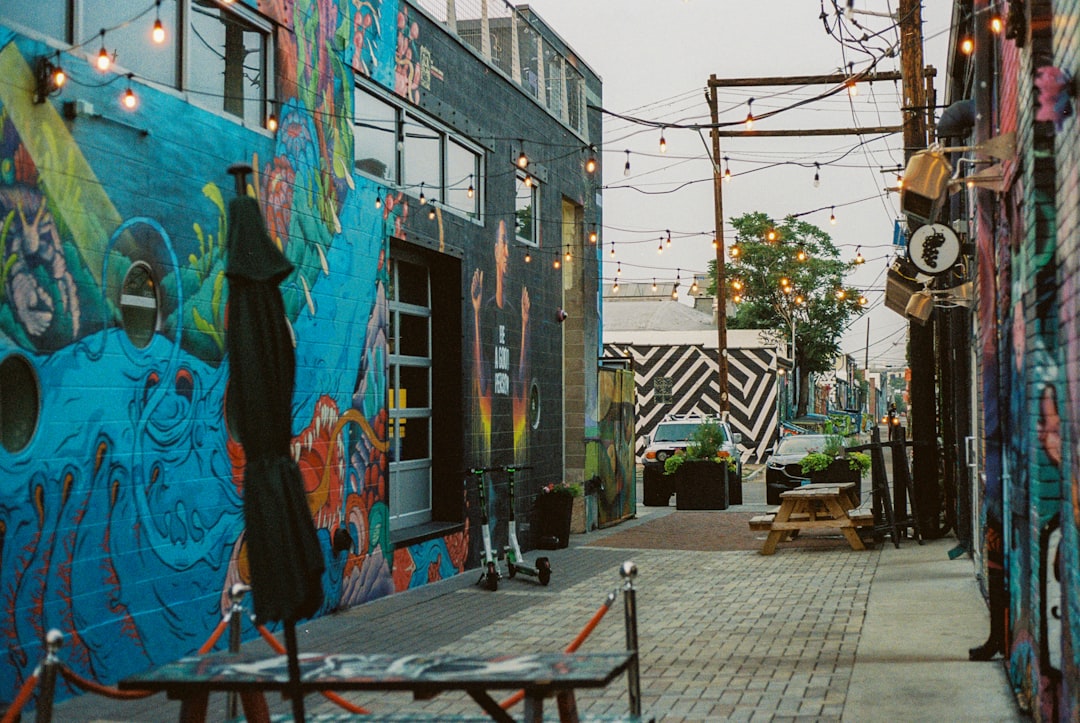
Council Rejects Extended Bar Hours
Denver’s late-night bar and club scene will keep operating under its longstanding 2 a.m. last call after the Denver City Council voted down a proposal that would have allowed nightlife establishments to stay open until 4 a.m. The decision, made during a council session late Monday, according to the Denver Gazette and The Denver Post, ends — at least for now — a push by parts of the city’s hospitality industry to extend operating hours in an effort to boost revenue and keep Denver competitive with other major cities that allow later closing times.
The vote means bars, clubs and other liquor-licensed venues in entertainment districts such as LoDo and RiNo will continue operating under the existing 2 a.m. cutoff that has governed Denver nightlife for years.
The Case for 4 A.M. Closing Times
Supporters of extending hours, including nightlife business owners and industry advocates, argued that a later closing time would help Denver’s entertainment economy compete with cities that already allow bars to operate past 2 a.m. Proponents framed the change as an economic opportunity — a way to capture more late-night spending, support venue revenues that have been squeezed by inflation and shifting consumer habits, and position Denver as a more attractive destination for nightlife tourism.
Industry advocates have pointed to the broader hospitality sector’s ongoing recovery and the desire to diversify revenue streams for bars and clubs that rely heavily on a narrow late-night window to turn a profit. For some operators, an extra two hours of service represented a meaningful difference in nightly earnings, particularly in dense entertainment corridors where foot traffic peaks late.
Concerns Over Safety, Noise and Staffing
Opposition to the proposal came from multiple directions, including residents, Denver police, and some council members who raised concerns about public safety, noise, and the strain that later hours could place on law enforcement and city services already stretched thin in entertainment districts.
The debate over nightlife hours arrives amid heightened attention to public safety in Denver generally. The Denver Police Department recently rolled out a violence suppression plan in response to a rise in homicides, according to the Denver Gazette. The city has also seen recent high-profile incidents that have kept crime and public order in the spotlight, including a weekend “illegal street takeover” in Denver that resulted in no arrests, as reported by The Denver Post and Denver7, and a stabbing incident in the Globeville neighborhood tied to a family disturbance, according to CBS News Colorado.
Against that backdrop, critics of extending bar hours argued that adding two more hours of alcohol service late into the night could exacerbate noise complaints from residents living near entertainment districts and add pressure to police resources already focused on broader public safety concerns across the city. Neighborhood residents near LoDo and RiNo — areas that have long grappled with balancing a thriving nightlife economy against quality-of-life concerns for those living nearby — have historically raised objections to expanded hours, citing worries about late-night disturbances, public intoxication, and the cumulative effect of noise as bars empty out.
Staffing was also cited as a concern. Extending operating hours would require bars and clubs to schedule additional staff for the extra hours, at a time when many hospitality businesses continue to report difficulty finding and retaining workers. Some council members apparently weighed whether the potential economic upside for individual venues would be offset by added strain on both business operations and city services tasked with managing late-night activity.
A Recurring Debate in Denver
The push for later bar hours is not new to Denver. City leaders and industry groups have periodically revisited the idea of extending last call as a tool for economic development, especially as other cities have used later closing times to market themselves as nightlife destinations. But the proposal has repeatedly run into the same tension that surfaced in this week’s vote: weighing the financial interests of bar and restaurant owners against the concerns of residents and public safety officials who worry about the downstream effects of extended alcohol service.
Monday’s rejection suggests that, for now, council members remain unconvinced that the potential economic benefits outweigh the public safety and quality-of-life tradeoffs. Whether the proposal returns in a modified form — perhaps limited to certain districts or paired with additional staffing and enforcement commitments — remains to be seen.
Same Session, Different Issue: $18 Million for Protest Claims
The nightlife hours vote came during a busy council session that also saw members approve $18 million to settle claims stemming from the 2020 George Floyd protests in Denver, according to the Denver Gazette. That settlement, addressing claims from demonstrators over the police response during the protests, was a separate matter from the nightlife hours debate, but its approval on the same night underscored how much substantive business the council worked through in a single meeting — from long-running litigation tied to a pivotal moment in the city’s recent history to forward-looking questions about how Denver’s entertainment economy should be regulated.
What It Means for Denver Nightlife
For now, Denver’s bars, clubs and late-night venues will continue to operate under the 2 a.m. closing rule that has shaped the city’s nightlife economy for years. Business owners hoping for expanded hours will need to wait for a future opportunity to make their case, while residents and public safety advocates who opposed the change can point to the vote as a win for maintaining the status quo amid broader concerns about crime and disorder in the city.
The debate is likely far from over. As Denver continues to grapple with public safety challenges — from the police department’s new violence suppression efforts to high-profile incidents like the recent street takeover and stabbing — the question of how late the city’s nightlife should run will likely resurface, with both economic and safety arguments continuing to shape the conversation among city leaders, business owners and residents alike.