
Colorado Turns 150: How Denver Is Marking the Milestone
As Colorado's sesquicentennial celebrations roll through the Front Range this weekend, Denver residents reflect on the state's history and its next 150 years.
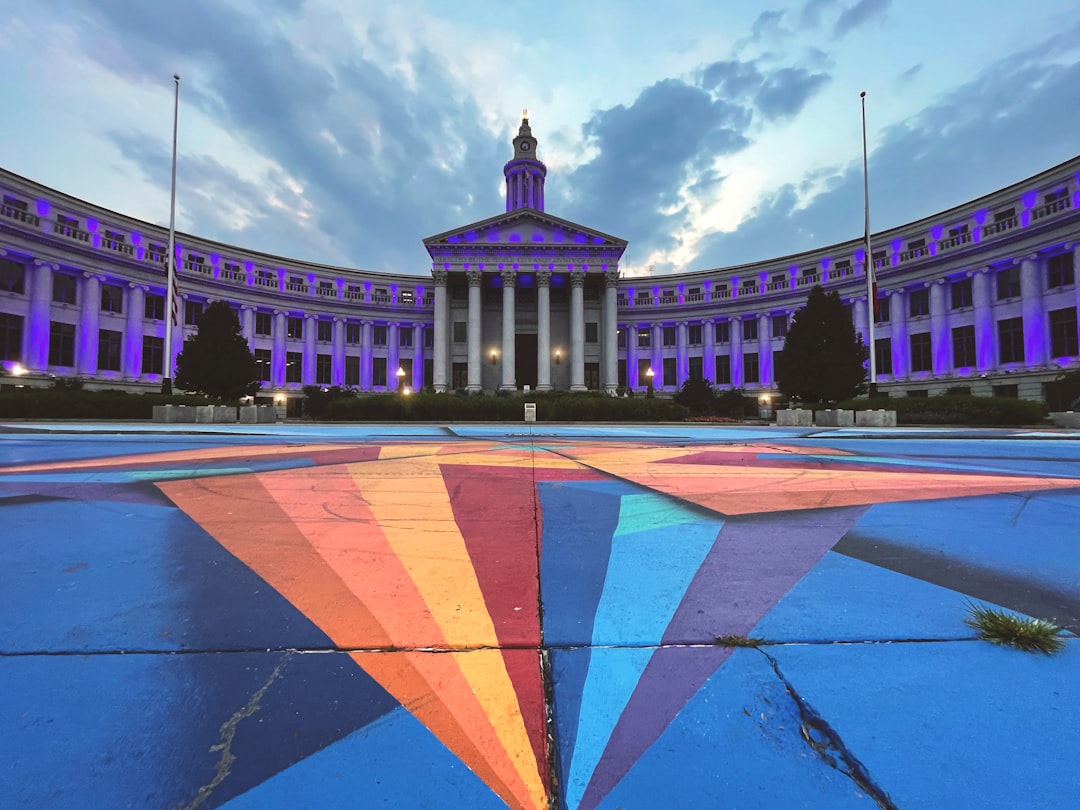
A Century and a Half in the Mile High City
Colorado turns 150 this year, and the Front Range is marking the occasion with a weekend full of celebrations, historical retrospectives, and — fittingly for a state built on contested ground — renewed conversations about which parts of that history get remembered and which get left out.
Colorado was admitted to the Union on August 1, 1876, earning its nickname as the “Centennial State” because it joined the country exactly 100 years after the Declaration of Independence. Now, 150 years later, that anniversary is prompting a wave of community events across Denver and the surrounding metro area, according to a roundup published by KDVR ahead of the weekend’s festivities.
This Weekend’s Celebrations
KDVR’s coverage of Colorado 150 events points to a variety of birthday-themed gatherings happening across the Front Range this weekend, giving residents multiple ways to mark the sesquicentennial — whether through family-friendly festivals, historical programming, or civic ceremonies tied to the actual statehood date. The events reflect a broader statewide effort to commemorate 150 years of Colorado history, drawing on everything from the state’s mining boom origins to its transformation into a modern metropolitan hub anchored by Denver.
For many Front Range residents, the milestone offers a chance to step back from the daily rhythms of city life — traffic, housing costs, the usual headlines — and consider the longer arc of how Colorado became what it is today. The Centennial State’s founding is inseparable from Denver’s own growth story: what began as a mining camp along Cherry Creek in the 1850s and 1860s became, within a generation of statehood, the commercial and political anchor of the Rocky Mountain West.
What Denver Looked Like 150 Years Ago
That transformation is on vivid display in a photo retrospective published by Westword this week, titled “Fifteen Photos of Denver 150 Years Ago.” The feature offers a visual time capsule of the city in the era surrounding statehood — a Denver defined by dirt streets, modest wood-frame and brick buildings, horse-drawn transportation, and a skyline that bore no resemblance to today’s downtown core of glass towers and light rail lines.
The contrast between those images and modern Denver underscores just how dramatically the city has changed. Where 19th-century Denver was a frontier outpost serving miners, ranchers, and railroad workers, the Denver of 2026 is a sprawling metropolitan area of over 700,000 residents within city limits and roughly 3 million across the broader metro region — a hub for technology, aerospace, cannabis commerce, and a booming outdoor recreation economy that would have been unimaginable to the city’s founders.
The Westword retrospective serves as a reminder that anniversaries like this one aren’t just excuses for cake and fireworks — they’re opportunities to see, quite literally, how much ground a place has covered.
A Parallel Reckoning: Whose History Gets Told
But even as Denver celebrates its milestone, city leaders are grappling with a separate and more pointed question: whose history has been left out of the official story. According to The Denver Post, the Denver City Council is currently weighing a proposal for a new slavery acknowledgment statement that would be read aloud at the start of council meetings. The measure, still under discussion as of late July, would formally recognize the role slavery and its legacy have played in shaping the city and country — an effort that places Denver among a number of U.S. municipalities that have adopted similar land or historical acknowledgments in recent years.
The proposal has emerged alongside other council business, including a child care access task force launched by Mayor Mike Johnston and a nightlife licensing overhaul that returned to the council for a final vote, according to reporting from KGNU and the Denver Gazette. But the slavery acknowledgment discussion carries particular symbolic weight this year, arriving just as the city and state celebrate 150 years of statehood.
The juxtaposition is not lost on those following both stories. Sesquicentennial celebrations naturally tend toward the celebratory — parades, photo retrospectives, birthday cakes shaped like the state flag. Acknowledgment statements, by contrast, ask a harder question: what does it mean to honor 150 years of a place while also reckoning with the parts of its founding that involved displacement, exclusion, and exploitation? Colorado’s statehood era coincided with the ongoing displacement of Native American tribes from the region, including the aftermath of the Sand Creek Massacre just over a decade before statehood was granted — a piece of history that rarely appears in celebratory retrospectives but remains central to any complete accounting of how Colorado came to be.
City council members have not finalized the acknowledgment language, and the debate reflects a broader, familiar tension playing out in cities nationwide: how to balance civic pride with historical honesty. Supporters of the acknowledgment argue that formally naming past harms is a necessary step toward transparency and repair. Critics — including some who have weighed in on similar measures in other cities — have questioned whether such statements amount to meaningful action or largely symbolic gestures. The Denver Post’s coverage does not indicate a final council vote has yet occurred.
Celebrating and Reckoning at Once
None of this is to suggest Denver’s birthday celebrations are undercut by the acknowledgment debate — the two conversations are happening on separate tracks, driven by different institutions and different timelines. But together, they capture something true about how a maturing city processes its own past. A 150th birthday invites nostalgia and civic pride, the kind reflected in Westword’s black-and-white images of a dusty, developing Denver. A slavery acknowledgment statement invites something more uncomfortable: an admission that the story told in glossy retrospectives is necessarily incomplete.
Both, arguably, belong in a full accounting of Colorado’s sesquicentennial. As Front Range residents attend birthday festivals this weekend, snap photos next to sesquicentennial banners, and compare Denver’s current skyline to the frontier-era photographs circulating online, the city’s elected leaders are simultaneously asking what else needs to be said out loud about how Denver and Colorado got here.
Looking Ahead
Colorado’s next 150 years will presumably bring their own reckonings — with growth, water scarcity, housing affordability, and climate change chief among the challenges already shaping conversations at the state Capitol and Denver City Hall alike. But for at least one weekend, the Front Range is pausing to look backward: at photographs of a much smaller Denver, at the milestones that built a state, and at the ongoing work of deciding which parts of that history deserve to be spoken aloud at the start of every council meeting.
Whether through festival grounds, historical archives, or city council chambers, Denver’s sesquicentennial moment is proving to be as much about the questions still being asked as it is about the birthday itself.