Denver City Council Weighs Reading Slavery Acknowledgment at Meetings
Denver council members are considering a formal acknowledgment of enslaved people's labor to be read before meetings, sparking debate citywide.
A New Ritual for Council Chambers?
Denver City Council is considering whether to open its meetings with a formal acknowledgment of the labor of enslaved people, according to reporting Wednesday from Axios and The Denver Post. The proposal, still in early discussion, would add a spoken statement recognizing the forced labor and contributions of enslaved people to the meeting’s opening proceedings — a practice that would sit alongside, or possibly parallel, land acknowledgments many local governments and institutions already read to recognize Indigenous peoples whose territory now hosts a city, county or event.
The idea puts Denver in the middle of a broader national conversation about how, and whether, government bodies should formally reckon with the history of slavery in official settings. While land acknowledgments have become commonplace at public meetings, universities and cultural venues across the country over the past decade, acknowledgments specifically addressing slavery remain far less common, making Denver’s discussion notable regardless of the outcome.
What’s Being Proposed
According to the Axios and Denver Post reports, the concept under discussion would have council read a brief acknowledgment — similar in structure to a land acknowledgment — recognizing the labor and humanity of enslaved people as part of the meeting’s opening. The exact wording, scope and permanence of any such statement had not been finalized as of this week’s reporting, and council members appear to still be working through basic questions: what the acknowledgment would say, how often it would be read, and what its stated purpose would be.
Colorado’s relationship to slavery differs from that of Southern and some Eastern states, given its later admission to the union and territorial history, which raises additional questions locally about how the acknowledgment would be framed — whether it addresses slavery as a national institution broadly, its specific ties to Denver and Colorado, or both. Those details are among the elements still being worked out, based on available reporting.
Supporters See Overdue Recognition
Proponents of the acknowledgment argue that formally recognizing the labor and suffering of enslaved people is a matter of historical honesty — an acknowledgment that the nation’s economic and civic institutions, including many that shaped the development of American cities, were built in part on forced, uncompensated labor. Advocates for this kind of civic ritual elsewhere have framed such statements as a low-cost, symbolic step toward truth-telling that doesn’t preclude — and can complement — more substantive policy action on racial equity.
Supporters of similar acknowledgments in other jurisdictions have described them as a way to ensure that history isn’t glossed over in civic life, arguing that public bodies have a responsibility to name uncomfortable truths as part of routine governance, not just during commemorative months or events.
Skeptics Question Scope and Impact
Critics and skeptics, meanwhile, are likely to raise questions common to debates over similar symbolic measures nationally: whether a spoken acknowledgment at the start of a council meeting translates into any material change, or whether it risks becoming a rote formality disconnected from policy outcomes. Some critics of land acknowledgments have made comparable arguments in the past — that the practice can function as a substitute for concrete action rather than a complement to it.
Others may question the scope of the proposal itself — whether it’s appropriately tailored to Denver’s specific history, or whether it imports a national framework without enough local specificity. Given that the proposal was still being discussed as of this week, council members themselves may be weighing these same tensions internally before any formal vote or adoption.
It’s worth noting that no formal vote, ordinance or resolution has been reported yet; the discussion, as characterized by both Axios and The Denver Post, remains at the deliberative stage.
Part of a Broader National Pattern
Denver’s discussion follows a wider trend among city councils, universities and cultural institutions nationwide that have adopted land acknowledgments over the past several years, particularly since 2020, when many public and private institutions expanded their considerations of racial history and representation. Slavery-specific acknowledgments, while less widespread than land acknowledgments, have appeared in some form in other cities and institutions grappling with their own histories tied to the slave trade, plantation economies or discriminatory postwar policy.
Denver’s consideration of the practice suggests local officials see value in extending that model beyond Indigenous land recognition to include the history of enslaved people, even in a state not historically associated with plantation slavery in the way some Southern states are. How council frames that connection — and whether it ties the acknowledgment to concrete local history or treats it as a broader national reckoning — will likely shape how the proposal is received by Denver residents.
What Happens Next
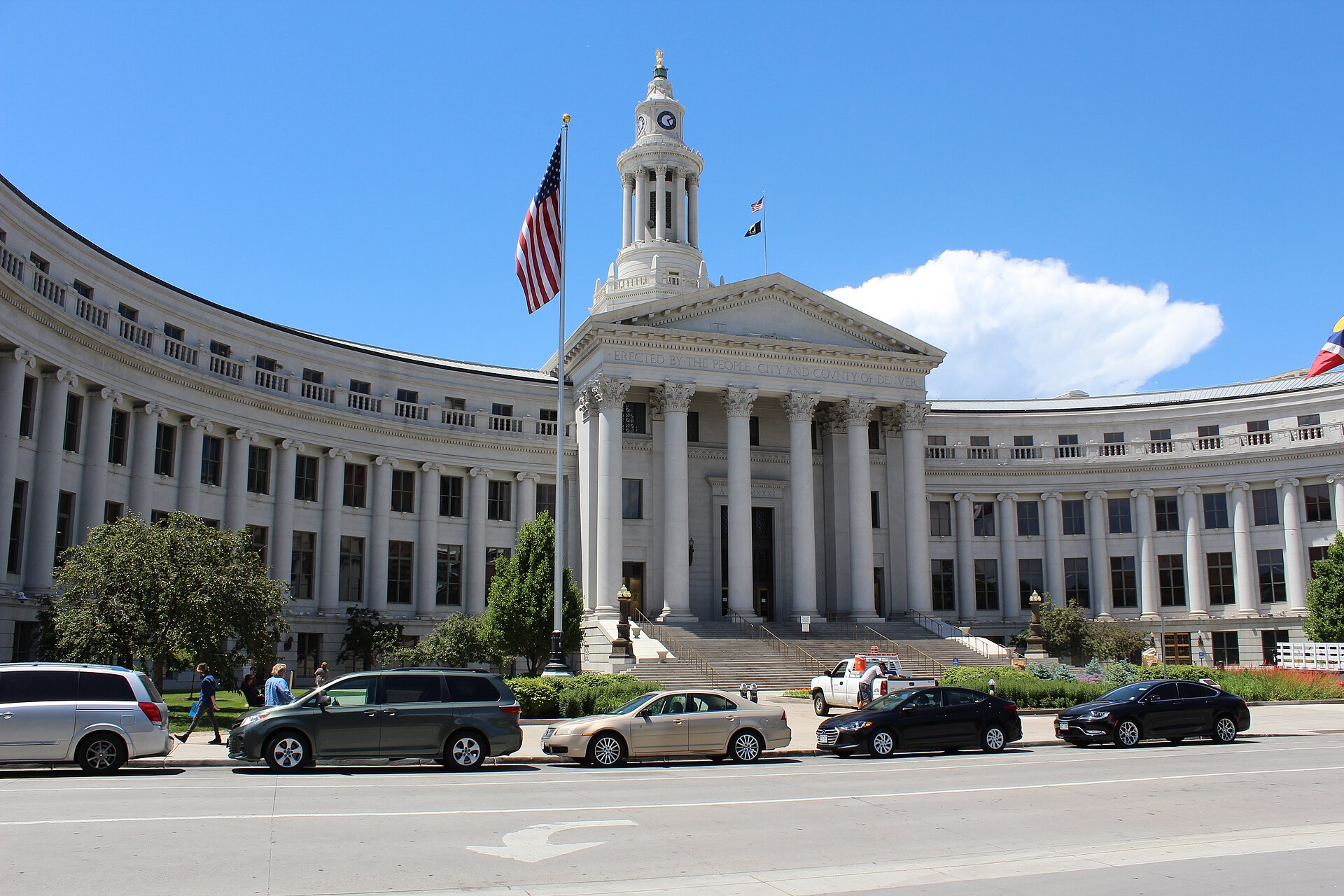
As of this week’s reporting, the proposal remains under discussion rather than formally adopted. Denver City Council would need to work through the specifics — language, frequency and formal process — before any acknowledgment becomes a fixture of meetings at the City and County Building. Residents interested in weighing in can typically do so through public comment periods at council meetings or by contacting their district representatives directly.
The debate arrives amid a busy stretch of local news in Denver, from severe summer weather to public safety concerns, but the slavery acknowledgment proposal touches on a different kind of civic terrain — one about memory, symbolism and how a city chooses to define itself in the words it says out loud before getting down to the business of governing.
Front Range Report will continue to follow this story as council discussions progress and more details, including any proposed language or scheduled votes, become available.