
Southwest Metro Wildfire Erupts Amid Denver's Record Heat Wave
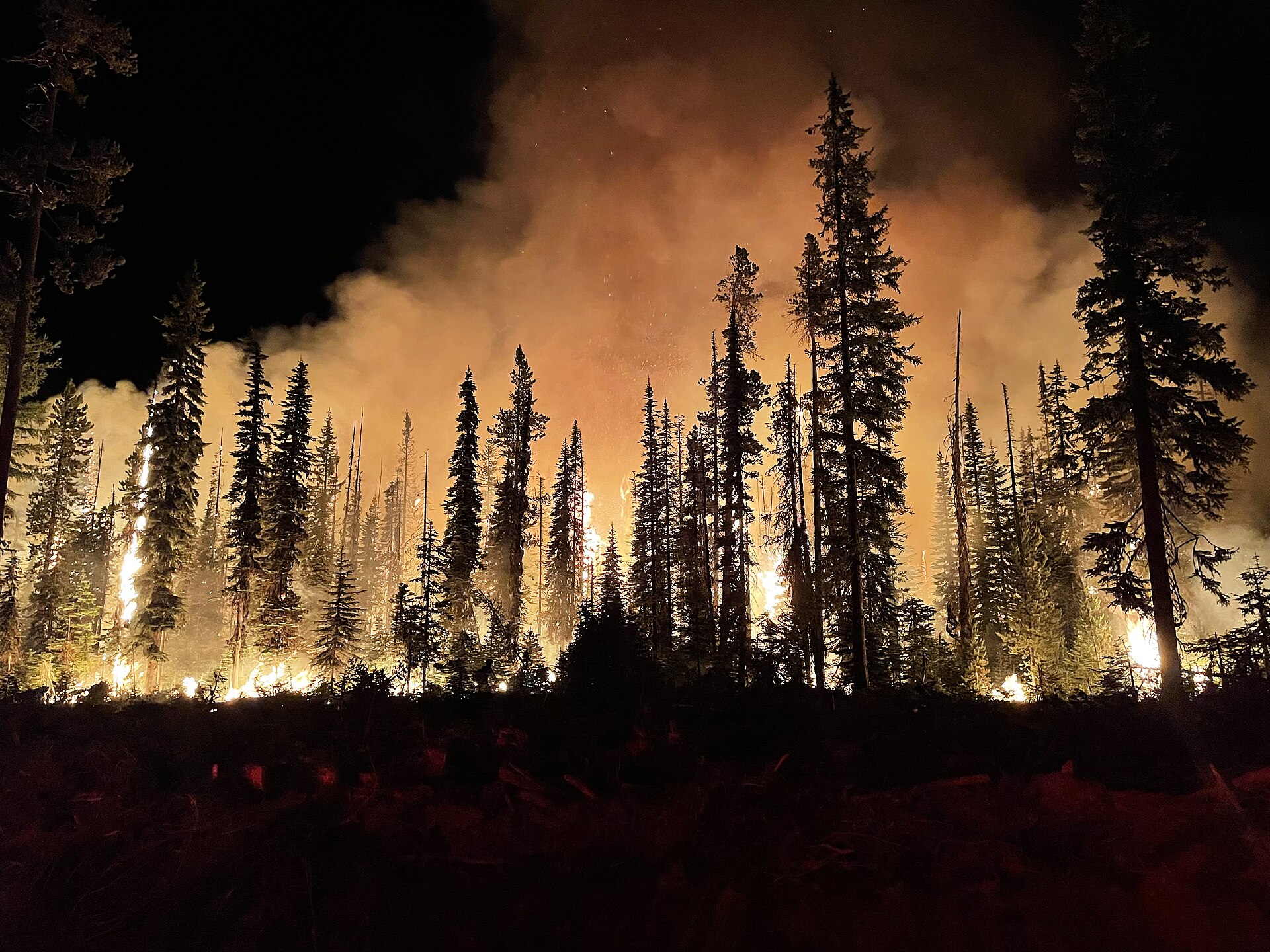
A new wildfire southwest of Denver has forced evacuations as record back-to-back 100-degree days strain firefighting resources across the Front Range.
A Metro Area Under Double Stress
Denver’s brutal summer took a dangerous turn this weekend as a new wildfire broke out southwest of the metro area, forcing evacuations just as the region endured its first back-to-back 100-degree days since 2022. The convergence of extreme heat and a fast-moving fire has left residents and emergency crews contending with two overlapping emergencies at once.
According to CBS News, the fire ignited southwest of the Denver metro area on Sunday, prompting authorities to order evacuations for nearby residents. Details about the fire’s exact size, containment status and cause remain limited as the situation continues to develop, and officials have not yet confirmed what sparked the blaze. What is clear is the timing: the fire broke out during some of the hottest, driest conditions the Front Range has seen in years, a combination that fire officials have long warned turns routine sparks into fast-spreading emergencies.
Record Heat Sets the Stage
The wildfire arrived on the heels of a remarkable stretch of heat. Denver7 reported that Sunday marked the hottest day of the year in the city, with back-to-back 100-degree readings recorded for the first time since 2022. 9News noted the milestone carries even greater historical weight — it was only the 16th time on record that Denver has hit 100 degrees on consecutive days, underscoring just how unusual this heat wave has been for a city accustomed to dry but generally milder summer conditions.
The heat wasn’t confined to Denver proper. CBS News reported that cities across Colorado broke temperature records over the weekend as a broad ridge of high pressure baked much of the state. Denver7 also reported that Saturday’s triple-digit reading broke a previous record, with forecasters warning that more extreme heat was expected heading into the following week. For a region where 90-degree days are common but sustained 100-degree stretches are rare, the back-to-back records have strained both public health resources and the natural landscape — drying out vegetation and creating exactly the kind of tinder-dry conditions that allow wildfires to take hold quickly.
Why Heat and Fire Danger Go Hand in Hand
Fire behavior experts have long pointed to the relationship between prolonged heat, low humidity and vegetation dryness as a primary driver of wildfire risk along Colorado’s Front Range. When daytime temperatures repeatedly climb past the 100-degree mark, grasses and brush lose moisture rapidly, and even small ignition sources — a spark from machinery, a dragging trailer chain, an unattended campfire, or lightning from a passing storm — can quickly grow into significant fires under these conditions.
While the specific cause of the new wildfire southwest of Denver has not been confirmed, the timing has drawn attention from residents and officials alike, given how closely it follows the record heat. Colorado has seen this pattern before: extended heat waves in recent years have frequently preceded fast-moving grass and wildland fires along the urban-wildland interface southwest of the metro area, in communities where subdivisions push up against open space and foothills terrain.
Evacuations and Community Response
Evacuation orders tied to the new fire were still being carried out as of Sunday night, according to CBS News, though full details on the number of households affected, evacuation zone boundaries, and shelter arrangements were not immediately available in initial reporting. As is typical in the early hours of a wildfire response, information from fire officials, sheriff’s offices and emergency management agencies is expected to be updated as crews assess the fire’s perimeter and behavior.
For residents in the southwest metro area, the evacuation adds a layer of urgency to what was already a taxing weekend of extreme heat. Cooling centers and public health warnings have accompanied the heat wave across the Denver area, as officials urged residents — particularly older adults, children and those with preexisting health conditions — to limit outdoor activity during peak afternoon hours. Now, some of those same residents are also being asked to prepare for possible evacuation, monitor emergency alerts, and stay informed about rapidly changing fire conditions.
A Broader Pattern Across Colorado
The southwest metro fire is unfolding against a backdrop of statewide heat records. CBS News reported that multiple Colorado cities logged record-breaking temperatures over the weekend, part of a broader heat dome affecting much of the western United States. The confluence of a historic heat wave and a new wildfire threat has drawn comparisons to past Colorado fire seasons, when extended dry spells preceded some of the state’s most destructive fires, including the Marshall Fire in Boulder County and various foothill fires that have threatened Front Range communities in recent years.
While it remains too early to draw direct comparisons or predict how this particular fire will behave, the pattern is one Colorado emergency officials have grown increasingly familiar with: hotter, drier summers producing conditions ripe for fast-moving fire activity, even outside the traditional late-summer and fall fire season peak.
What Residents Should Watch For
As the situation develops, residents in the southwest Denver metro area are being advised to stay alert to official evacuation notices and updates from local fire and sheriff’s departments. Given the fluid nature of wildfire response — and the limited details available so far on containment, acreage burned, or structures threatened — residents are encouraged to rely on official channels rather than social media speculation for the latest information.
Meanwhile, the heat wave itself shows little sign of immediate relief. Denver7’s forecast coverage indicated more triple-digit heat was expected in the days following the weekend’s records, meaning the elevated fire risk — and the public health strain from the heat — are likely to persist. For a metro area already juggling extreme weather, a new wildfire, and the everyday demands of a growing region, the coming days will test both emergency response systems and the resilience of residents adjusting to an increasingly common reality: hotter summers bringing compounding, overlapping crises to Colorado’s Front Range.
As more information becomes available about the fire’s cause, size and containment, Front Range Report will continue to follow developments and provide updates for affected communities.