
Denver Neighbors Rally as Wildfire Smoke and Heat Strain Community
As wildfire smoke and record heat blanket Denver, neighbors and city services are stepping up to help vulnerable residents cope with hazardous air.
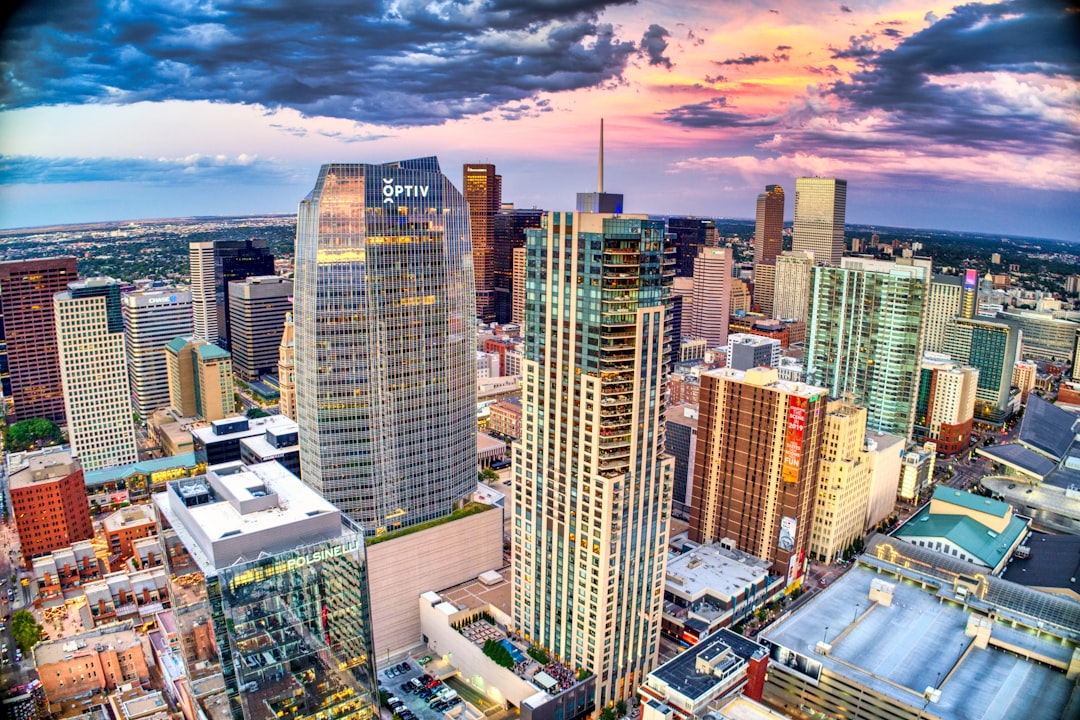
Smoke Settles Over the Metro Area
For much of the past two weeks, Denver residents have stepped outside to a familiar but unwelcome sight: a hazy, yellow-tinged sky and the acrid smell of distant wildfire smoke. Combined with a stretch of record-setting heat, the conditions have pushed the region’s air quality to unhealthy levels at times, prompting neighbors across the city to check in on one another and community organizations to open their doors as informal cooling and clean-air refuges.
The smoke drifting into the Denver metro area has been tied to some of Colorado’s largest wildfires in recent memory, according to 9News, which recently showed aerial footage of the scorched landscape left behind by one of the blazes. While the fires themselves are burning well outside city limits, their smoke plumes have settled into the Front Range corridor, aggravating what was already a difficult stretch of heat for Denver residents.
A Neighborhood Response to Hazardous Air
As the smoke has lingered, the response in many Denver neighborhoods has been distinctly local. Residents have taken to phone calls, text chains and old-fashioned front-porch visits to make sure elderly neighbors and those with respiratory conditions have working air conditioning, or somewhere cool and filtered to go. Community centers and libraries — long relied upon during Denver heat waves — have again become informal gathering points for residents seeking relief from both the heat and the smoke, offering air-conditioned, indoor spaces during operating hours.
Public health officials have reiterated standard guidance during this stretch of poor air quality: limit time outdoors, especially during peak afternoon hours; keep windows closed when smoke levels are high; and use indoor air filtration where possible. Vulnerable groups — including older adults, young children, pregnant women and people with asthma or heart conditions — are being urged to take extra precautions, a message echoed in local reporting on the region’s fire and heat conditions.
The dual burden of heat and smoke has been especially hard on people who work outdoors or who lack reliable access to air conditioning, underscoring long-standing concerns raised in past heat events about equity in how extreme weather affects different Denver neighborhoods.
Possible Relief on the Horizon
There is cautious optimism that conditions may soon improve. According to CBS News, possible air quality relief could be coming to Denver in the near term, offering hope that the oppressive haze that has blanketed the city may begin to clear. CBS News has also reported that severe storms are possible around Denver even as hot temperatures persist — a combination that could bring both much-needed moisture and the risk of sudden, intense weather.
Any incoming precipitation would be welcome news not just for air quality but for the firefighting effort itself. The Denver Post reported that crews have been making steady progress containing Colorado’s wildfires, a hopeful sign after weeks of difficult conditions. Containment gains don’t mean the danger has passed, however, and fire officials have continued to caution that shifting winds or renewed heat could complicate containment lines.
Water Concerns Add to the Strain
The heat and dry conditions have also put a spotlight on the region’s water supply. Denver Water has issued updates on both supply levels and water use as the city works through the demands of a hot, dry summer. While officials have not signaled an emergency, the update serves as a reminder that the wildfire and heat conditions are part of a broader pattern of drought stress affecting Colorado’s water resources — from mountain snowpack runoff to reservoir levels that feed the metro area.
Balancing Concern With Everyday Life
Despite the smoke and heat, life in Denver has continued largely as normal, a fact residents have had to navigate carefully. Outdoor recreation, always a defining feature of Denver’s identity, has required more planning this summer — checking air quality indexes before a run along the Cherry Creek Trail or a bike ride through City Park has become as routine for some residents as checking the weather forecast.
That balancing act reflects a broader tension in how Denver communities are responding: real concern about health impacts, paired with a recognition that the fires are still primarily a mountain and foothills problem, not a direct threat to the city itself. Health officials have been careful to frame their guidance in those terms — encouraging precaution without alarm, and pointing to the progress being made on containment as reason for cautious optimism.
Community Ties Strengthened by Shared Hardship
If there’s a silver lining to the smoke-choked skies, some residents say it’s the renewed sense of neighborly attention the conditions have inspired. Informal check-in networks — often organized through neighborhood associations, places of worship, or simple group texts — have re-emerged as a practical tool for making sure no one is left without support during hazardous air days, echoing patterns seen during past Denver heat emergencies.
Community centers, recreation centers and libraries have continued to serve as accessible, air-conditioned public spaces during their normal hours, giving residents without reliable cooling at home somewhere to go. While no large-scale, formal “clean air center” system has been widely reported in this stretch, the informal patchwork of public buildings and neighborly support has functioned as a de facto safety net for many.
Looking Ahead
As Denver awaits the possible air quality relief highlighted by CBS News, along with the chance of storms that could help firefighting crews further contain the state’s wildfires, city residents are left managing the day-to-day realities of smoke, heat and drought stress. The Denver Post’s reporting on firefighters’ steady containment progress offers a hopeful signal that the worst of this fire season’s impact on the metro area’s air may be easing.
In the meantime, Denver’s response has been a familiar one for a city accustomed to high-altitude summers: neighbors looking out for neighbors, public buildings serving as informal refuges, and a community watching the sky — and the horizon — for signs of relief.