
Denver's Wild Weather Week: Hail, Tornado Watch and 100-Degree Heat
From tornado watches to triple-digit heat forecasts, Denver metro residents faced a whiplash week of extreme weather in early June 2026.
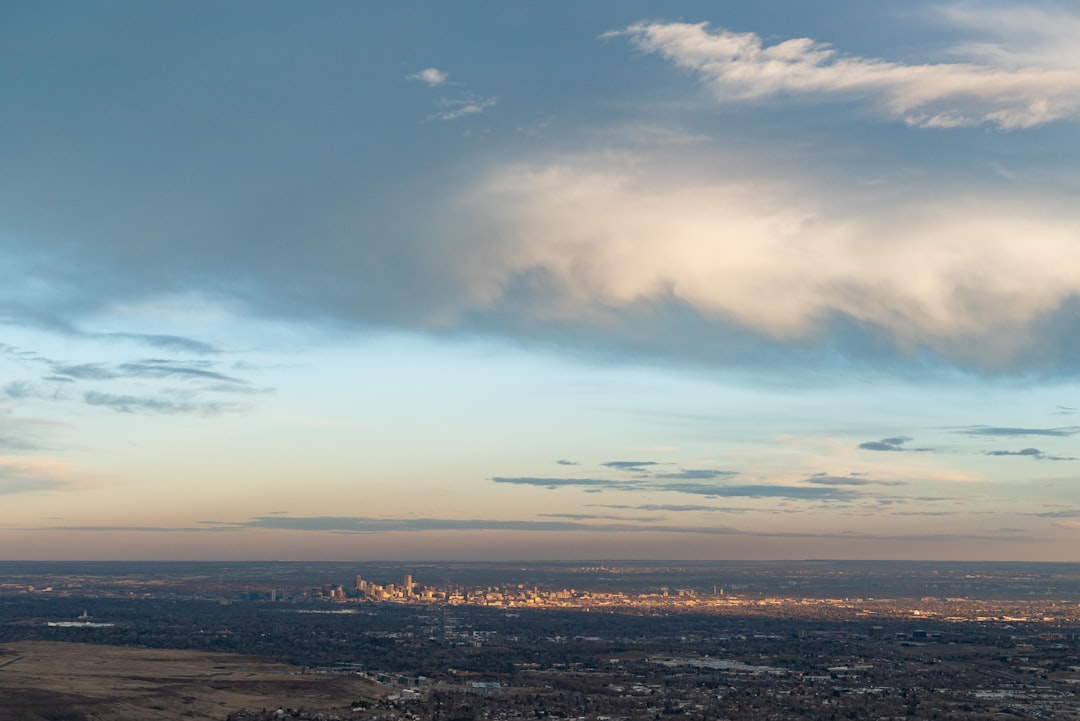
A Week of Weather Extremes on the Front Range
Denver residents have had a case of meteorological whiplash this past week, swinging from severe thunderstorms and a tornado watch to now bracing for the season’s first shot at 100-degree heat. The rapid transformation is a reminder of just how volatile Colorado’s weather can be — and how quickly outdoor plans, infrastructure and safety concerns can shift with the forecast.
From Tornado Watch to Triple Digits
Earlier this week, Denver and 11 other Colorado counties were placed under a tornado watch until 9 p.m., according to Colorado Public Radio. The watch came amid a broader severe weather outbreak that swept across much of the state, with CBS News reporting that the potential for severe weather grew through the afternoon and evening hours across the Denver metro area and the Eastern Plains.
The storm system brought more than just wind and lightning. The Denver Gazette reported that “very large hail” was among the risks forecasters flagged as the system moved through Colorado, a threat that materialized in parts of the metro area and surrounding communities. Large hail events are not unusual for Colorado’s early summer storm season, but the combination of hail, damaging wind and tornado potential in a single system underscored how quickly conditions can deteriorate along the Front Range.
Now, just days later, the conversation has flipped entirely. The Denver Post has been tracking when the city might record its first 100-degree day of the year, a milestone that would mark a dramatic pivot from hail-battered streets to sweltering heat in a matter of days. While an exact date for reaching the century mark remained uncertain as of this week, the shift in forecasting focus — from severe storm warnings to heat tracking — illustrates the kind of rapid seasonal turnover that Colorado is known for, particularly in late spring and early summer.
Why the Swings Happen Here
Colorado’s position at the base of the Rocky Mountains, combined with its high elevation and continental climate, makes it especially prone to these kinds of abrupt weather transitions. Warm, moist air moving up from the south and east can collide with cooler air pushing down from the mountains, fueling the kind of explosive thunderstorm development that produces large hail and occasional tornado warnings. Once that unstable pattern breaks down, though, high pressure can build in quickly, allowing temperatures to soar as skies clear and sunshine becomes more intense at Denver’s mile-high elevation.
This pattern isn’t new to the region, but the closeness of a tornado watch and a potential 100-degree day within the same week is a notable example of the variability meteorologists have long said defines Colorado’s climate. Front Range residents are accustomed to the old saying that if you don’t like the weather, wait five minutes — but this week has tested that adage in a more literal way than usual.
What It Means for Denver Residents
The rapid swing between severe storms and extreme heat carries real consequences for how people plan their days and how the city manages infrastructure.
Outdoor events and activities: Denver’s packed summer calendar of concerts, farmers markets, youth sports and outdoor festivals means organizers and attendees alike need to stay tuned to shifting forecasts. A severe thunderstorm warning or tornado watch can force last-minute cancellations, while a forecasted 100-degree day raises separate concerns about heat safety for anyone attending outdoor gatherings.
Infrastructure stress: Large hail can cause significant damage to roofs, vehicles and landscaping, and insurance claims often spike in the aftermath of major hail events. On the other end of the spectrum, extreme heat puts strain on the power grid as air conditioning demand rises, and it can accelerate wear on roads and other infrastructure not built to withstand sustained triple-digit temperatures.
Emergency preparedness: Colorado’s severe weather season doesn’t limit itself to one type of threat. Residents are regularly urged to have a plan for both severe thunderstorm and tornado warnings — including identifying a safe interior room away from windows — as well as a heat safety plan that includes staying hydrated, checking on elderly neighbors or relatives, and limiting outdoor exertion during peak afternoon hours when temperatures are highest.
Safety Reminders for a Volatile Season
Weather officials have repeatedly emphasized basic safety steps during Colorado’s volatile early summer stretch. During severe thunderstorms and tornado watches, residents are advised to move away from windows, avoid sheltering in vehicles when hail or high winds are present, and monitor local weather alerts closely, since conditions can change with little warning. The severe weather event earlier this week that prompted the tornado watch across Denver and surrounding counties is a reminder that even a “watch” — rather than a more urgent “warning” — should be taken seriously, as conditions can escalate quickly.
As attention turns to the potential for the year’s first 100-degree day, heat safety becomes the priority. That includes staying hydrated, avoiding strenuous outdoor activity during the hottest parts of the day, never leaving children or pets in vehicles, and checking in on vulnerable populations, including older adults and those without reliable access to air conditioning.
A Pattern Colorado Knows Well
While this week’s swing from hail and tornado watches to heat concerns may feel extreme, it fits within a broader pattern of weather variability that has long characterized life along the Front Range. Meteorologists have noted that Colorado’s location and topography make it a hotspot for rapid shifts between severe convective weather and high-pressure heat domes, particularly as the state transitions from spring into summer.
For Denver residents, the takeaway is less about any single forecast and more about staying weather-aware year-round. Whether it’s tracking the next severe thunderstorm risk or watching for the city’s first 100-degree day, the past week has offered a vivid illustration of why Coloradans keep a close eye on the sky — and why flexibility remains essential when planning anything outdoors on the Front Range.