
Auto Theft Task Force Shootings Renew Denver Force Scrutiny
Two separate Denver police shootings of auto theft suspects in a single week reignite debate over use-of-force tactics and public safety trade-offs.
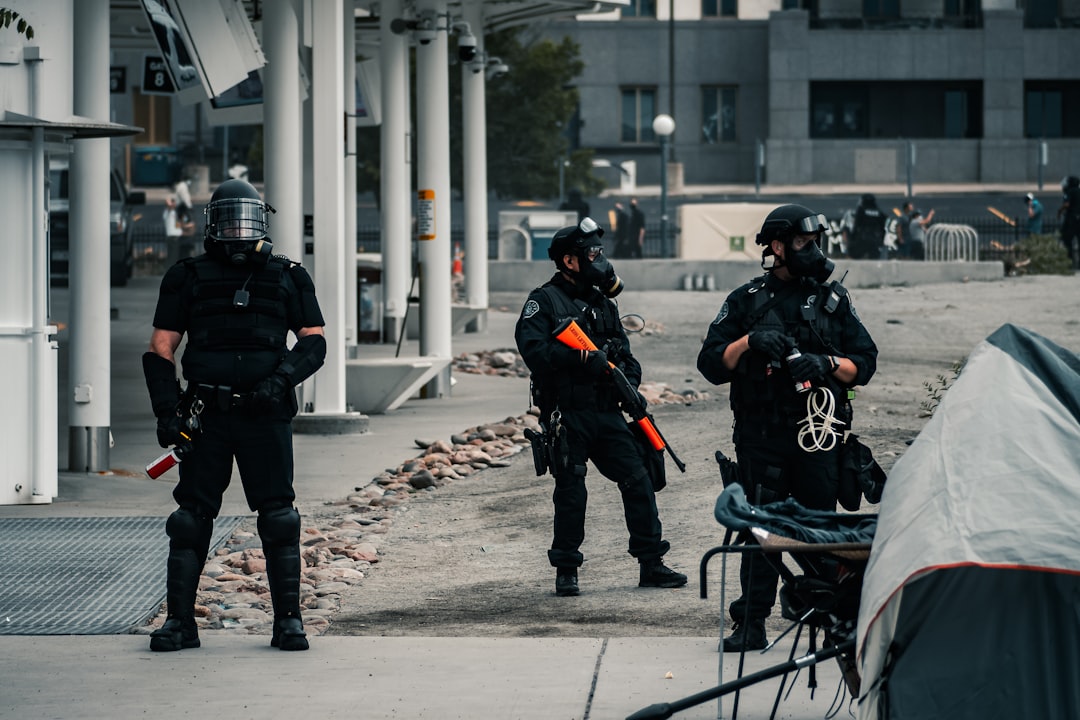
Two Shootings, One Week, Renewed Questions
Two separate officer-involved shootings tied to Colorado’s auto theft task force within the same week have reignited debate in Denver over how aggressively law enforcement should respond to vehicle theft calls — and whether the use of deadly force is proportionate when the underlying crime is non-violent property theft rather than a threat to public safety.
According to Denver7, law enforcement shot and wounded a suspect in Denver after an alleged construction vehicle theft. In a separate incident reported by both CBS News and 9News, two officers from the Colorado auto theft task force shot and injured a suspect accused of stealing a traffic control vehicle at a Denver gas station. Details on the exact circumstances that preceded each shooting — including whether the suspects were armed, attempted to flee in the vehicles, or posed a direct threat to officers or bystanders — have not been fully released, and investigations into both incidents are ongoing.
The back-to-back shootings have drawn attention not just for their proximity in time, but because both stemmed from the same specialized unit created to combat Colorado’s persistent auto theft problem — a unit whose tactics are now under fresh scrutiny.
The Task Force’s Mandate
The Colorado auto theft task force was established amid years of the state ranking among the worst in the nation for vehicle theft rates. Denver and the broader metro area have repeatedly logged some of the highest per-capita auto theft numbers in the country, prompting state lawmakers and law enforcement agencies to pool resources into a dedicated, multi-jurisdictional unit aimed at identifying theft rings, recovering stolen vehicles, and making arrests before stolen cars, trucks, and equipment are stripped, sold, or used in other crimes.
Supporters of the task force point to its effectiveness in recovering vehicles and disrupting theft networks as justification for its continued — and in some views, expanded — role in Denver-area policing. Law enforcement officials have long argued that auto theft is not merely a property crime on paper; stolen vehicles, including construction equipment and traffic control vehicles, are frequently used to commit other offenses, evade police, or endanger the public when driven recklessly. From that perspective, officers approaching a stolen-vehicle stop face genuine uncertainty about how a suspect will react, and the potential for a vehicle itself to be used as a weapon — by ramming officers, fleeing through traffic, or striking bystanders — is treated as a serious safety concern that can justify a rapid escalation in response.
Critics Question Proportionality
Civil liberties advocates and community critics, however, argue that two shootings connected to property crime stops in a single week raises legitimate questions about whether force used by task force officers is proportionate to the underlying offense. Auto theft, critics note, is typically classified as a non-violent crime, and the core concern is whether suspects fleeing or attempting to escape in a stolen vehicle — without evidence of intent to harm officers or the public — should be met with gunfire.
This tension is not new to Denver. The city has faced sustained scrutiny over police use-of-force practices in recent years, a debate that has resurfaced repeatedly in local headlines. Just this week, Denver City Council approved nearly $3 million in settlements tied to injuries suffered during the 2020 George Floyd protests, according to 9News — a reminder of how costly and contentious use-of-force controversies have become for the city, both financially and politically. That settlement, unrelated directly to the auto theft task force, nonetheless underscores the broader climate in which these new shootings are being evaluated by residents, advocates, and city officials alike.
Community members and advocacy groups have historically called for de-escalation training, clearer use-of-force policies specific to vehicle-theft encounters, and greater transparency in how task force officers are trained to assess threat levels during property crime stops. Whether those calls will gain traction following this week’s incidents remains to be seen, as neither the Denver Police Department nor the task force has released a detailed public accounting of the decision-making that led to either shooting.
What We Don’t Yet Know
As is standard practice in Colorado following officer-involved shootings, both incidents are expected to be reviewed independently, and body-worn camera footage, if available, is typically released after initial investigative steps are complete. At this stage, based on reporting from Denver7, 9News, and CBS News, it remains unclear:
- Whether either suspect was armed with a weapon other than the vehicle itself.
- The specific sequence of events immediately preceding each shooting, including whether officers gave warnings or attempted non-lethal intervention first.
- The current medical condition and legal status of both suspects, both of whom were reported wounded rather than killed.
- Whether either officer or officers involved have been placed on standard administrative leave pending investigation, a routine step in most Colorado officer-involved shooting protocols.
Front Range Report will continue to follow this story as more information is released by Denver police and investigators.
A Broader Pattern of Scrutiny
The auto theft task force shootings arrive amid a broader stretch of scrutiny for Denver-area law enforcement and city governance more generally. Separately this week, Denverite reported that a former aide has alleged discrimination and retaliation by a Denver council member, and Westword reported on a City Council effort to penalize businesses that don’t comply with local laws, including those related to immigration enforcement. While unrelated to the task force shootings, these stories reflect a moment of heightened public attention on accountability across Denver’s civic institutions.
For a city that has invested heavily in combating one of the nation’s worst auto theft crises, the challenge moving forward will be balancing that enforcement mandate against mounting public pressure to ensure officer responses remain proportionate — even when the crime being investigated doesn’t, on its face, involve violence. How Denver police and the Colorado auto theft task force respond to that pressure, through policy changes, additional transparency, or continued current practice, is likely to shape public trust in the unit for months to come.