Old CDLE Building's New Chapter: Affordable Housing Takes Shape
Denver's Vibrant Bond program is buying the former Colorado Department of Labor building to create affordable housing, a step in the city's ongoing push.
A Building’s Second Act
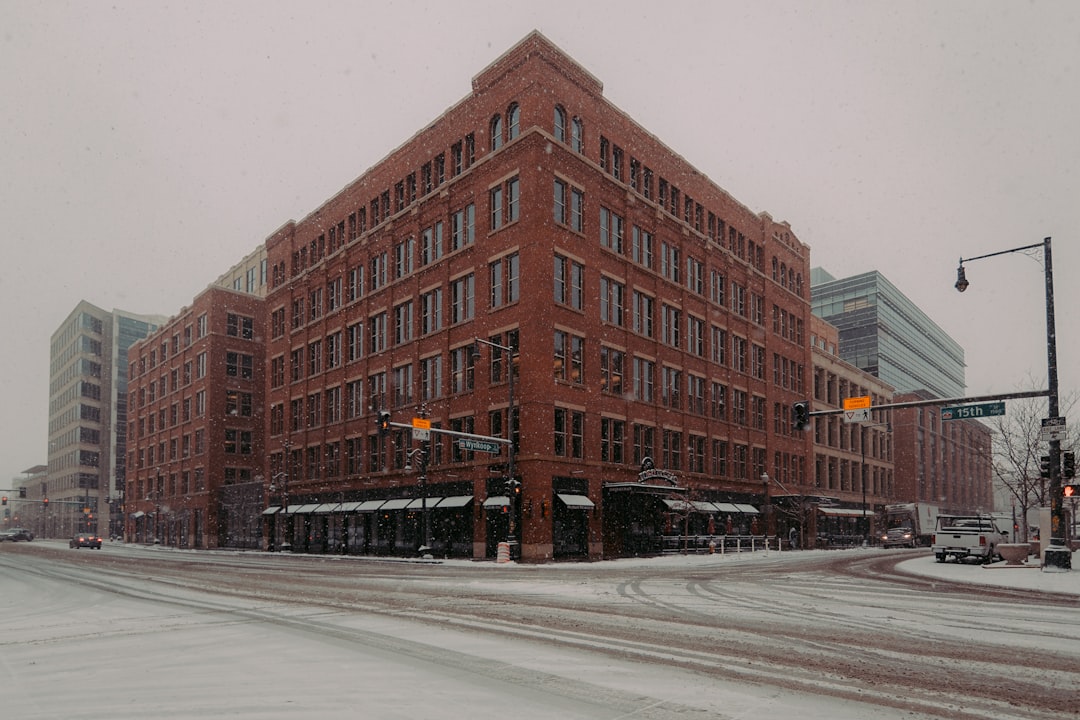
The former Colorado Department of Labor and Employment office building is about to get a new purpose. According to a City and County of Denver announcement this week, the city has approved using proceeds from the Vibrant Denver Bond program to purchase the old CDLE building, with plans to convert it into affordable housing.
For a city that has spent years wrestling with rising rents, a tight rental market and a persistent gap between wages and housing costs, the acquisition marks another concrete step in an ongoing strategy: rather than only building new affordable units from the ground up, Denver is increasingly looking at existing government-owned or underused buildings and repurposing them for residential use.
What the Vibrant Denver Bond Program Does
Voters approved the Vibrant Denver Bond program as part of a broader package of bond measures aimed at funding infrastructure, parks, cultural facilities and housing initiatives across the city. Bond-funded acquisitions like this one work differently than a typical private real estate purchase — the city issues bonds, essentially borrowing against future revenue, to raise capital for public investments up front. That money can then be used to buy property, like the old CDLE building, that the city determines serves a public benefit.
In this case, the public benefit is straightforward: more affordable housing stock in a city where it remains in short supply. Because the building is already owned by a government entity and previously served an office function, converting it to housing sidesteps some of the land acquisition costs and zoning fights that can slow down new construction projects. Advocates for this approach argue that adaptive reuse of institutional buildings is one of the more efficient tools cities have for adding affordable units without waiting years for new developments to clear permitting and construction.
The Scale of Denver’s Housing Challenge
Denver’s affordable housing shortage isn’t new, but it hasn’t eased either. Housing advocates across the metro area have long pointed to the mismatch between wages and rents, particularly for service workers, teachers, city employees and others who make up the backbone of Denver’s workforce but increasingly struggle to afford to live in the neighborhoods where they work.
The city’s own housing plans have repeatedly cited a need for thousands of additional affordable units to meet demand, and bond-funded projects like the CDLE building conversion are often framed as one piece of a much larger puzzle. Supporters of the city’s approach say that projects like this show meaningful progress — every building repurposed for affordable housing is one fewer vacant or underused property and one more source of stable housing for Denver residents priced out of the private market.
Skeptics Ask About Pace and Scale
Not everyone is convinced the pace matches the scale of the problem. Housing skeptics and some community members have raised questions in past discussions of similar Denver projects about how quickly single-building conversions can actually move the needle on a citywide shortage that numbers in the thousands of units. Converting one office building, however welcome, does not resolve the broader affordability crisis on its own, and critics of the city’s incremental approach have argued that Denver needs more aggressive, larger-scale interventions — whether through zoning reform, increased density allowances or larger direct investments — to keep pace with population growth and rising costs.
There are also practical questions common to any office-to-residential conversion: the cost and complexity of retrofitting a building designed for cubicles and conference rooms into livable units with kitchens, bathrooms and adequate natural light. These conversions can be expensive and slow, even when the underlying property is already publicly owned. How quickly the CDLE building actually becomes usable housing — and how many units it will ultimately provide — will be important details for residents and advocates to watch as the project moves forward.
What It Could Mean for the Surrounding Neighborhood
Beyond the numbers, conversions like this carry a community dimension. Turning an office building into housing changes the rhythm of a block — bringing residents instead of a daytime-only workforce, adding foot traffic in evenings and weekends, and potentially supporting nearby small businesses that benefit from a built-in customer base living nearby rather than commuting in and out.
For neighbors near the former CDLE site, that shift could be a welcome change, particularly if the units are marketed toward moderate- and low-income residents who might otherwise be squeezed out of the surrounding area. Denver has increasingly emphasized keeping affordable units integrated within existing neighborhoods rather than concentrated only on the city’s periphery, and this project fits that broader pattern.
A City Council in Transition
The CDLE announcement comes at a notable moment for Denver’s city government. This week also brought news that Denver City Council aides are moving to unionize, according to Denverite, a development that could reshape how council offices operate and negotiate working conditions going forward. Separately, City Council member Sarah Parady announced her resignation, citing health reasons, according to 9News and Denver7 reporting.
While those stories are separate from the housing acquisition itself, they underscore that Denver’s city government is navigating significant internal change even as it continues to push forward on long-term initiatives like the Vibrant Denver Bond program. How council transitions affect the pace of future housing-related votes and bond allocations remains to be seen, but the CDLE purchase suggests that, at least for now, the city’s affordable housing agenda is continuing to move forward.
Looking Ahead
The purchase of the old CDLE building represents one more data point in Denver’s long-running effort to address its housing affordability crisis — an effort that has included everything from inclusionary zoning requirements to public land conversions to, now, bond-funded purchases of government office buildings. Whether this specific project becomes a model for future conversions or remains a modest, single-site win will depend on execution: timelines, unit counts, affordability thresholds and how quickly renovation work can actually begin.
For now, city officials are touting the acquisition as a meaningful step. Housing advocates largely welcome any addition to the affordable housing supply, even as they continue to press for faster, larger-scale action. And skeptics will be watching closely to see whether this conversion delivers real, timely results — or becomes another example of good intentions moving slower than Denver’s housing crisis demands.
What’s clear is that the old CDLE building, once filled with state labor department employees processing unemployment claims and workplace complaints, is poised to take on an entirely different role: providing a home to Denver residents in a city where finding one has never been more difficult.