
Statewide Drought Meets Late-Spring Snow as Front Range Braces
Colorado hits 100% drought coverage just as a major snowstorm targets Denver, raising wildfire and tree-damage concerns across the Front Range.
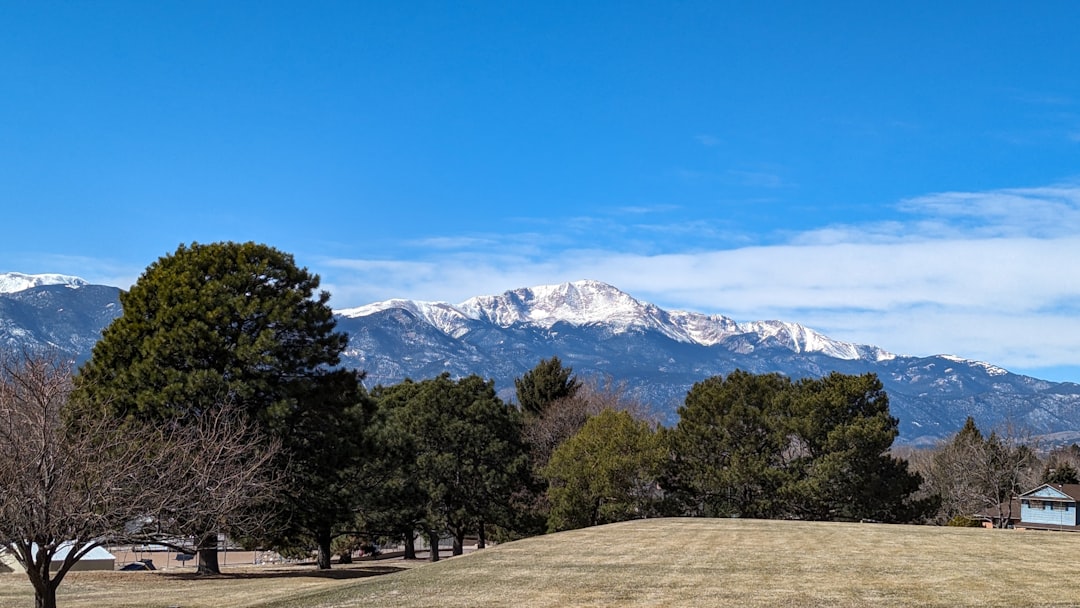
A State Parched, Then Pounded by Snow
Colorado is living out a strange bit of climate whiplash this week. Just days after state officials confirmed that 100% of Colorado is now in some level of drought, according to the Denver Gazette, a significant late-spring snowstorm is bearing down on the Front Range, threatening to dump heavy, wet snow on trees that have already leafed out for the season.
For Denver-area residents, the message from meteorologists and emergency officials alike is: prepare for both extremes at once. The moisture is desperately needed. But it’s arriving in a form that could snap branches, knock out power and complicate an already worrying wildfire outlook heading into summer.
The Storm: What We Know and Don’t
According to CBS News and 9News, the system moving into Colorado this week could bring the Denver metro area its biggest rain event in roughly seven months, with snow returning to the high country as temperatures drop behind the incoming moisture. ABC News reports Colorado is bracing for a “significant late-spring snowstorm,” while the Denver Post has focused much of its coverage on the storm’s potential to cause widespread tree damage across the Front Range.
Exact snowfall totals for Denver proper remain uncertain, and forecasters have been cautious about pinning down hard numbers days out. Mountain areas are generally expected to see the heaviest and most reliable snow accumulations, while the city itself sits in a trickier zone — close enough to see accumulating snow, but also vulnerable to a rain-snow mix or a changeover that limits totals. That uncertainty is typical for late-spring systems along the Front Range, where elevation, timing and the exact storm track can mean the difference between a slushy inch downtown and a foot in the foothills.
What forecasters seem more confident about is the moisture itself — and the fact that heavy, wet spring snow, unlike the light powder of midwinter, carries far more weight per inch. That density is exactly what has arborists and city foresters concerned.
Why Newly Leafed Trees Are at Risk
Late-spring snowstorms pose a particular hazard in Denver because so many trees are already leafed out. Once branches carry a full canopy of leaves, they catch and hold snow far more effectively than bare winter branches, creating a “sail effect” that adds enormous stress to limbs. Combine that with the sheer weight of wet, moisture-laden snow, and the result — as the Denver Post’s coverage this week highlighted — can be widespread limb breakage and downed branches across the metro area’s urban forest.
This isn’t a new phenomenon for Colorado. Front Range residents who have lived through past spring storms remember the damage: split trunks, snapped branches littering yards and streets, and power outages caused by limbs falling on lines. Denver’s urban canopy, already stressed by drought conditions and past years of pest pressure, may be especially vulnerable this time around.
Arborists generally recommend that homeowners avoid shaking heavy snow off branches, since doing so can cause even more breakage; instead, gently sweeping upward from underneath can help remove snow load without snapping limbs. Residents are also advised to stay clear of trees and power lines during and immediately after the storm, and to report downed lines to Xcel Energy rather than attempting removal themselves.
A Drought Milestone With a Troubling Precedent
The storm’s arrival comes at a notable moment for Colorado’s water and wildfire picture. The Denver Gazette reported that the entire state — 100% of Colorado — is now classified as being in drought, a threshold with an ominous historical echo. The Gazette’s reporting notes that the last time Colorado hit full statewide drought coverage, it preceded a wildfire that destroyed roughly 1,000 homes — a reference to the kind of devastating wind-driven fire that Front Range residents associate with the Marshall Fire, which tore through Boulder County homes in late December 2021.
That comparison is not lost on state fire and water officials, who have used past drought milestones to warn about elevated wildfire risk heading into the drier, hotter months of summer. Colorado’s fire season has increasingly become a year-round concern, with grass and brush fires possible even in early spring when vegetation is dry and winds are strong.
The paradox, of course, is that this week’s storm will inject a meaningful pulse of moisture into a landscape that badly needs it. Snowpack and soil moisture from a strong spring storm can meaningfully — if temporarily — ease drought conditions and reduce short-term fire danger by keeping grasses and brush greener into early summer. But one storm, however heavy, is unlikely to erase months of accumulated drought deficit across an entire state entirely reliant on snowpack and seasonal precipitation.
How Denver Officials and Residents Are Responding
City and utility officials in the Denver metro area typically use storms like this as a reminder for residents to prepare on multiple fronts: securing loose outdoor items, checking on trees near homes and power lines, and being ready for possible outages. Denver Water and other Front Range utilities have also used prolonged drought conditions in recent years to encourage water conservation measures, including adherence to seasonal watering restrictions once outdoor irrigation season ramps up.
For gardeners and homeowners, the storm presents a mixed bag. The moisture is a boon for lawns, gardens and newly planted trees and shrubs heading into the growing season. But the same wet snow that nourishes root systems can also devastate the very trees it’s meant to help, particularly maples, ash and other species prone to weak branch unions.
Looking Ahead
As the storm moves through, Denver metro residents are left navigating a familiar Colorado contradiction: a state parched enough to sit in complete drought, yet bracing for a snowstorm heavy enough to snap branches and cut power. Meteorologists continue to refine snowfall projections for the city as the system approaches, while fire officials keep one eye on the historical parallels between full-state drought years and Colorado’s most destructive wildfires.
The immediate advice from officials and forecasters alike is straightforward — secure your property, check your trees, conserve water where you can, and stay weather-aware in the coming days. The longer-term question of whether this storm meaningfully dents Colorado’s drought, or simply delivers a bruising reminder of the state’s volatile spring weather, will likely take weeks to fully assess.