Denver Council Makes Bison Donation to Tribes a Yearly Tradition
Denver City Council votes to permanently continue its annual bison donation to Native American tribes, cementing a decade-old conservation partnership.
A Herd With a History
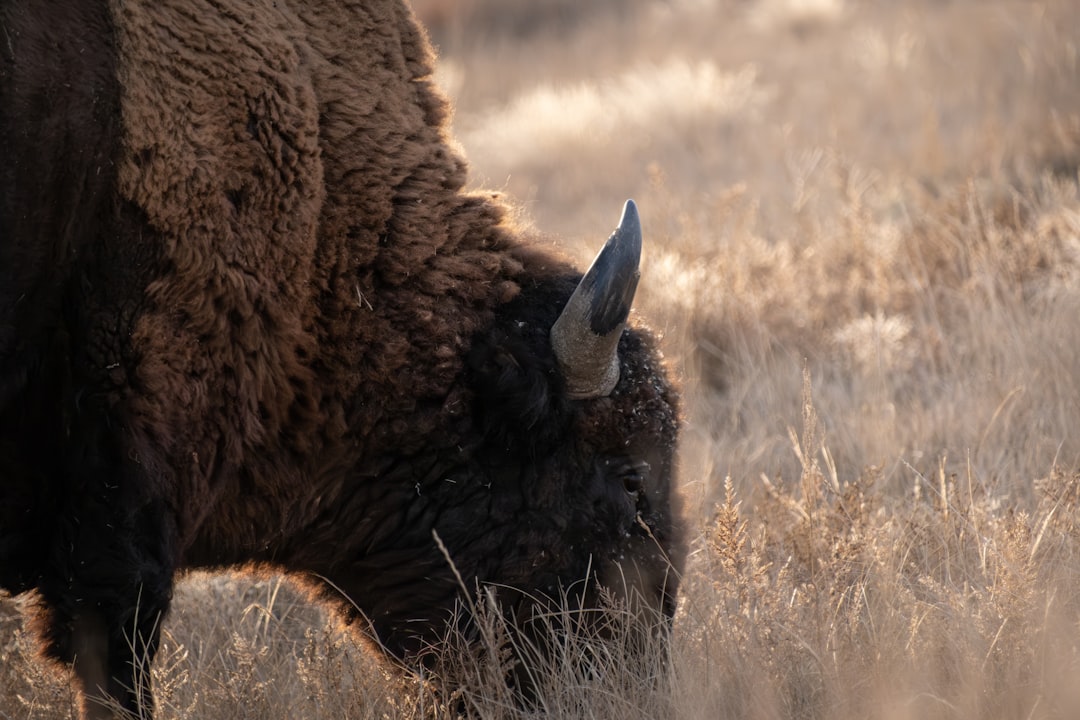
High above the city, where the foothills roll into open grassland, Denver’s municipal bison herds have grazed for more than a century — a living link to the animal that once numbered in the tens of millions across the Great Plains before being hunted to near extinction. This week, Denver City Council voted to make one modern chapter of that story permanent: the city’s practice of donating surplus bison from its Genesee and Daniels Park herds to Native American tribes each year, according to the Denver Gazette.
The vote formalizes what had been an informal, decade-long arrangement into official city policy, ensuring the donation program continues regardless of shifts in council membership or city budget priorities in future years.
From Mountain Parks to Tribal Lands
Denver has maintained bison herds at Genesee Mountain Park and Daniels Park since the early 1900s, when the animals were introduced as part of a broader civic effort to preserve a species that had been decimated by commercial hunting and westward expansion. Managed by Denver Parks & Recreation, the herds have functioned for generations as both a conservation project and a public attraction, drawing residents and visitors who pull off nearby roads to catch a glimpse of the shaggy animals grazing against a backdrop of the Rocky Mountains.
Because the parks can only sustainably support a limited number of animals, the city conducts an annual roundup to manage herd size — a practice standard among bison conservation programs nationwide. For roughly the past ten years, rather than sending surplus animals solely to auction or slaughter, Denver has donated a portion of the herd directly to Native American tribes, many of whom are working to rebuild bison populations on tribal lands as part of broader cultural and ecological restoration efforts.
Bison hold deep spiritual, cultural and historical significance for numerous Plains tribes, for whom the animal was historically central to food, clothing, tools and ceremony before federal policies in the 19th century deliberately targeted bison herds to undermine Native American self-sufficiency. In recent decades, tribal nations across the country — including in Colorado, Montana, South Dakota and beyond — have invested heavily in restoring bison herds on their own lands, viewing the animal’s return as both an ecological and cultural restoration project.
Council Action Cements the Practice
By codifying the donation program, according to the Denver Gazette’s reporting, council members ensure that future city administrations cannot quietly discontinue the practice or redirect surplus bison toward other uses without formal council review. Proponents on the council framed the move as a matter of consistency and respect — treating the relationship with tribal nations as an ongoing commitment rather than a discretionary gesture subject to the priorities of any single mayor or council session.
The decision arrives as Denver City Council has been juggling a packed spring agenda, including debates over misdemeanor penalty reform following a Colorado Supreme Court ruling, and discussions over millions of dollars in infrastructure and airport spending, according to Colorado Politics. Against that backdrop, council members and community advocates have pointed to the bison vote as a comparatively small but symbolically significant action — one that costs the city little in dollar terms while carrying outsized meaning for reconciliation efforts with tribal communities.
Conservation Value and Questions of Scale
Supporters of the program describe it as a rare example of a city-run conservation initiative directly benefiting both wildlife management and tribal sovereignty. Herd management experts have long noted that controlled culling or relocation is necessary for bison populations confined to limited acreage like Genesee and Daniels Park, since the animals lack natural predators and unrestricted space in an urban-adjacent setting. Redirecting those surplus animals to tribal herds, rather than exclusively to commercial sale, allows the city to support tribal conservation efforts already underway.
At the same time, some observers have raised questions about the scale of the program relative to the broader need. Denver’s mountain park herds are modest in size compared to the vast bison populations tribal nations are ultimately working to restore, meaning the annual donation — while meaningful — represents only a small contribution to a much larger restoration movement happening across the Great Plains and Mountain West. Others have noted that municipal budgets and parkland capacity inherently limit how much any city herd can offer, raising the question of whether Denver might explore additional land or resources dedicated to bison conservation in the future. The council’s vote this week did not address any expansion of herd size or acreage, focusing narrowly on preserving the donation practice itself.
A Broader Moment for the City
The bison vote comes at a time when Denver has been consumed by heavier headlines — a spate of violence in north Denver neighborhoods that has left residents demanding more police presence, according to the Denver Gazette and Denverite, and a mistakenly issued emergency alert that unsettled residents citywide, as reported by CBS News. Against that turbulent backdrop, the council’s action on bison donations offered a rare moment of consensus and lower-stakes civic business, a reminder that city government continues to manage long-running programs even amid crisis-driven news cycles.
For many Denver residents, the mountain park bison herds are a quiet point of civic pride — an unusual but cherished feature of a city that blends urban life with proximity to open range and mountain wilderness. Formalizing the tribal donation program extends that pride outward, framing the herds not just as a local attraction but as part of a broader regional effort to restore an animal, and a set of cultural practices, that were nearly erased from the American landscape.
Looking Ahead
With the vote now finalized, Denver Parks & Recreation is expected to continue its annual roundup and donation process on the same general timeline it has followed for years, coordinating with tribal partners on logistics and transport. City officials have not indicated any immediate changes to how many animals will be donated in a given year, meaning the size of future donations will likely continue to depend on herd health and available surplus following each roundup.
For now, the council’s decision stands less as a dramatic policy shift than as an act of institutional memory — locking in a relationship that Denver’s parks system and tribal nations have quietly built over the past decade, and signaling that the city intends to treat it as a lasting commitment rather than a program that could quietly fade from budget priorities in years to come.