
Denver Road Rage Shooting Death Highlights Rising Traffic Violence
A deadly shooting following a possible road rage incident in Denver has police investigating the growing concern of traffic-related violence.
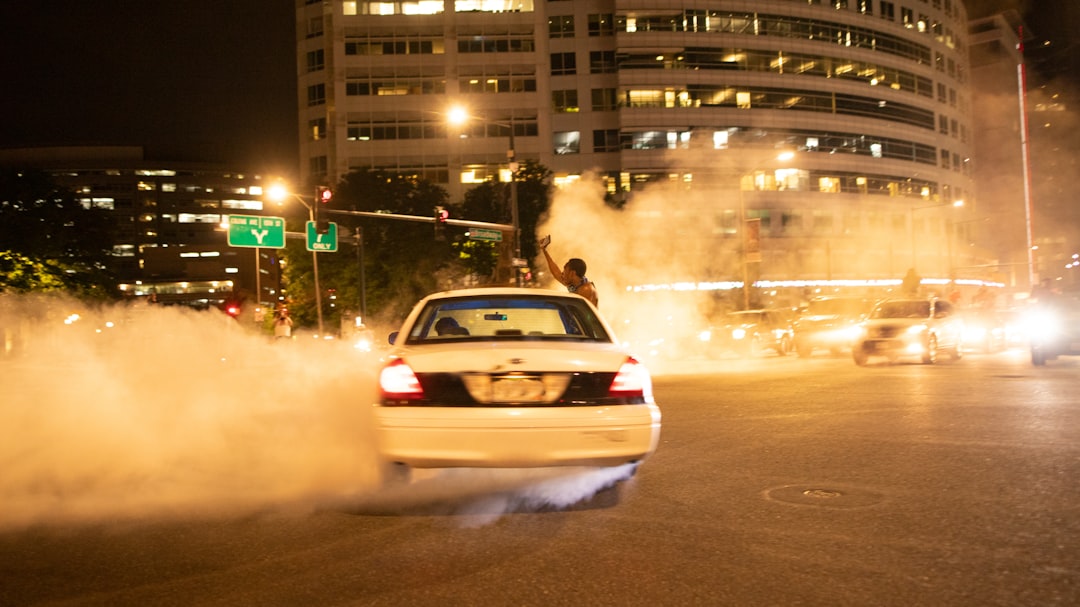
A deadly shooting on April 5 following what police describe as a possible road rage incident has once again thrust Denver into the spotlight over escalating traffic-related violence, according to reports from KKTV and Denver7. The fatal shooting represents the latest in a troubling pattern of aggressive driving incidents that have turned Denver’s streets into potential conflict zones.
Denver police are investigating the circumstances surrounding the shooting death, which occurred amid what authorities believe may have been a road rage confrontation. While details remain under investigation, the incident has reignited concerns among city officials and residents about the growing frequency of traffic-related violence throughout the metro area.
Rising Tensions on Denver Roads
The April 5 shooting comes amid broader concerns about public safety in Denver, highlighted by recent police-involved incidents. Just days later, on April 8, Denver police fatally shot a man in an alley after he allegedly pointed a gun at people and refused to comply with officers’ orders, according to reports from CBS News, The Denver Post, and KUSA. While not traffic-related, the incident underscores the heightened tensions surrounding gun violence in the city.
Traffic safety advocates and law enforcement officials have been documenting an increase in aggressive driving behaviors since the pandemic, with incidents ranging from verbal confrontations to physical altercations and, in the most serious cases, shootings. The combination of increased stress, reduced traffic enforcement during certain periods, and readily available firearms has created what some experts describe as a dangerous cocktail on Denver’s roadways.
Law Enforcement Response
Denver police have not released specific statistics on road rage incidents for 2026, but the department has acknowledged that traffic-related violence remains a significant concern. The investigation into the April 5 shooting continues as authorities work to piece together the sequence of events that led to the fatal confrontation.
The incident highlights the challenges law enforcement faces in preventing spontaneous acts of violence that can erupt from minor traffic disputes. Unlike planned crimes, road rage incidents often escalate rapidly from verbal arguments to physical confrontations, leaving little opportunity for intervention.
Broader Pattern of Violence
The deadly shooting occurs against the backdrop of ongoing discussions about public safety in Denver. City officials have been grappling with various forms of violence, from street crime to domestic disputes, while working to balance enforcement with community relations.
Recent Denver City Council actions, including tightening the contract review process as reported by the Denver Gazette and Colorado Politics, reflect the city’s broader efforts to ensure accountability and transparency in municipal operations, including public safety initiatives.
Community Impact
For many Denver residents, the specter of road rage violence has changed daily commuting routines and heightened awareness of potentially dangerous situations. The psychological impact extends beyond those directly involved in incidents, affecting the broader community’s sense of safety on public roads.
Local driving instructors and safety advocates have noted an increase in requests for defensive driving courses and conflict de-escalation training. The focus has shifted from traditional traffic safety concerns like drunk driving and speeding to interpersonal violence between drivers.
Prevention Challenges
Preventing road rage incidents presents unique challenges for city officials and law enforcement. Unlike other forms of crime that may occur in specific neighborhoods or follow predictable patterns, traffic-related violence can happen anywhere at any time, involving individuals with no prior criminal history.
The spontaneous nature of these incidents makes them particularly difficult to predict or prevent through traditional law enforcement strategies. Instead, officials are increasingly focusing on public education campaigns about anger management, de-escalation techniques, and the legal consequences of aggressive driving.
Looking Forward
As the investigation into the April 5 shooting continues, city officials and community leaders are examining potential strategies to address traffic-related violence. These discussions include enhanced penalties for aggressive driving, increased traffic enforcement, and public awareness campaigns about the dangers of road rage.
The incident serves as a stark reminder of how quickly routine traffic encounters can turn deadly, particularly in an environment where tensions run high and firearms are readily accessible. For Denver, addressing this issue will likely require a multi-faceted approach combining enforcement, education, and community engagement.
The death following the possible road rage incident represents more than a single tragic event—it’s a symptom of broader societal stresses playing out on the city’s streets. As Denver continues to grow and traffic congestion increases, finding effective solutions to prevent such violence becomes increasingly urgent for the safety of all residents.
While authorities continue their investigation, the incident stands as a sobering reminder of the need for patience, de-escalation, and mutual respect among drivers sharing Denver’s increasingly crowded roadways.