
Denver Police Shooting Death Raises Questions About Use of Force
A man shot by Denver police after allegedly pointing a gun at people has died, marking another controversial police shooting in the city.
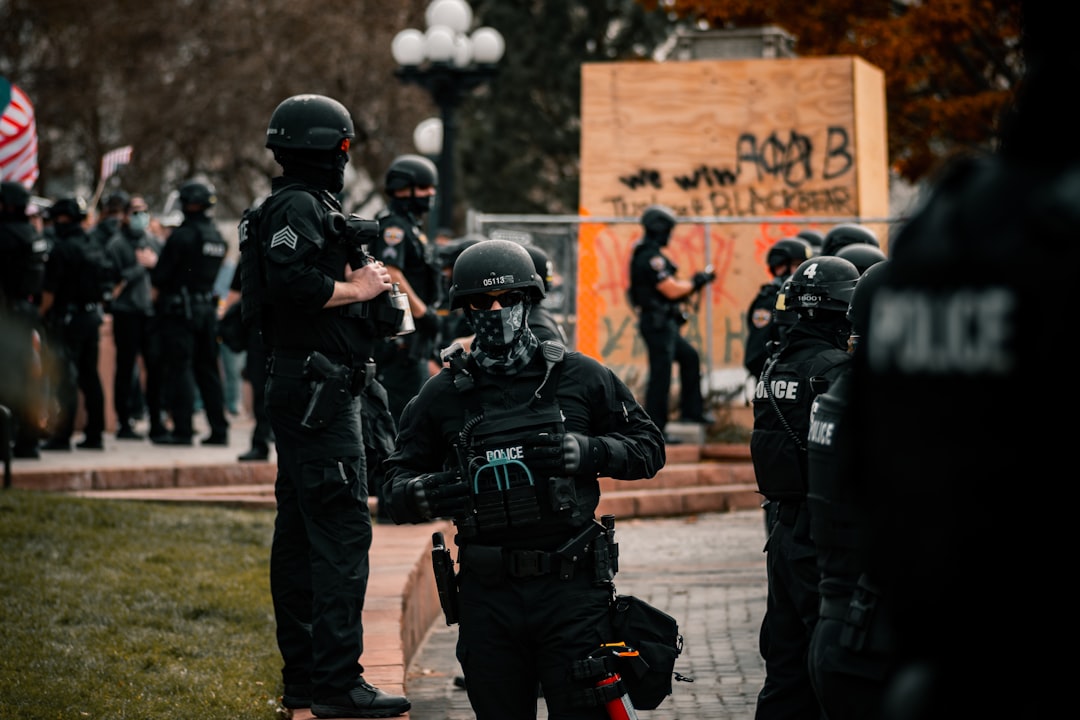
A man who was shot by Denver police in an alleyway confrontation has died from his injuries, according to multiple news reports, marking another fatal officer-involved shooting in the city that has reignited discussions about police use of force and accountability.
The incident occurred when Denver police officers responded to reports of an armed individual allegedly pointing a gun at people. According to CBS News, the suspect refused to comply with officers’ orders to drop his weapon, leading to the shooting. The man was transported to a hospital but later died from his injuries, as reported by KUSA.com and The Denver Post.
Details of the Incident
Based on reports from local news outlets, the shooting took place in an alley during what authorities described as an “armed alleyway confrontation.” The Denver Post reported that police encountered the suspect who was allegedly armed and posed a threat to public safety. Officers attempted to de-escalate the situation by ordering the individual to drop his weapon, but when those commands were not followed, at least one officer discharged their firearm.
The circumstances leading up to the confrontation remain under investigation, and police have not released extensive details about what prompted the initial response or the specific sequence of events that led to the shooting.
Ongoing Investigation
As is standard protocol in officer-involved shootings, the incident is being investigated by multiple agencies. The Denver Police Department’s Major Crimes Unit typically handles such cases, working in coordination with the Denver District Attorney’s Office to determine whether the use of force was justified under Colorado law.
The names of the officers involved and the deceased individual have not been released pending the ongoing investigation. Body camera footage and other evidence will likely play crucial roles in determining the facts of what occurred during the encounter.
Community Response and Context
This fatal shooting comes at a time when police use of force continues to be a topic of significant public concern in Denver and nationwide. The city has faced scrutiny over previous officer-involved incidents, and community advocates have consistently called for greater transparency and accountability in police operations.
Denver has implemented various police reform measures in recent years, including enhanced training programs, body-worn cameras, and revised use-of-force policies. However, each new incident involving police shootings reignites debates about whether these reforms are sufficient to address community concerns.
Police Use of Force Policies
Denver Police Department policy requires officers to use only the amount of force necessary to control a situation and protect public safety. Officers are trained to use de-escalation techniques when possible and to resort to deadly force only when they reasonably believe it is necessary to prevent death or serious bodily injury to themselves or others.
The department’s use-of-force policy has undergone several revisions following community input and recommendations from oversight bodies. These policies emphasize the sanctity of human life and require officers to provide medical aid immediately after any use of force incident.
Broader Implications
This incident adds to the ongoing conversation about police accountability and reform in Denver. City council members have been working on various initiatives related to police oversight and community safety, including contract negotiations with the police union and enhanced review processes for city operations.
According to Colorado Politics, Denver City Council is currently considering various police-related matters, including union agreements that could impact how officer-involved incidents are investigated and reviewed. The council has also been working to tighten contract review processes, as reported by the Denver Gazette, which could affect future police department operations and accountability measures.
Moving Forward
As the investigation continues, the Denver community awaits answers about the circumstances that led to this fatal encounter. The incident underscores the complex challenges facing law enforcement and the communities they serve, particularly in situations involving armed individuals who may pose risks to public safety.
The outcome of this investigation will likely influence ongoing discussions about police training, use-of-force policies, and community relations in Denver. It also highlights the need for continued dialogue between law enforcement agencies, community leaders, and residents about how to balance public safety with accountability and transparency.
The Denver District Attorney’s Office will ultimately determine whether the officers’ actions were legally justified, a decision that will be closely watched by community members and advocacy groups. Until then, the incident serves as another reminder of the life-and-death decisions that police officers face and the lasting impact these encounters have on families and communities.
As Denver continues to grapple with questions about police reform and community safety, this case will likely contribute to ongoing policy discussions and reform efforts aimed at preventing similar tragedies while ensuring effective law enforcement protection for all residents.