
Denver Neighborhoods Build Stronger Crisis Response Networks
Local community organizations across Denver are expanding mental health and emergency support programs to fill gaps in city services.
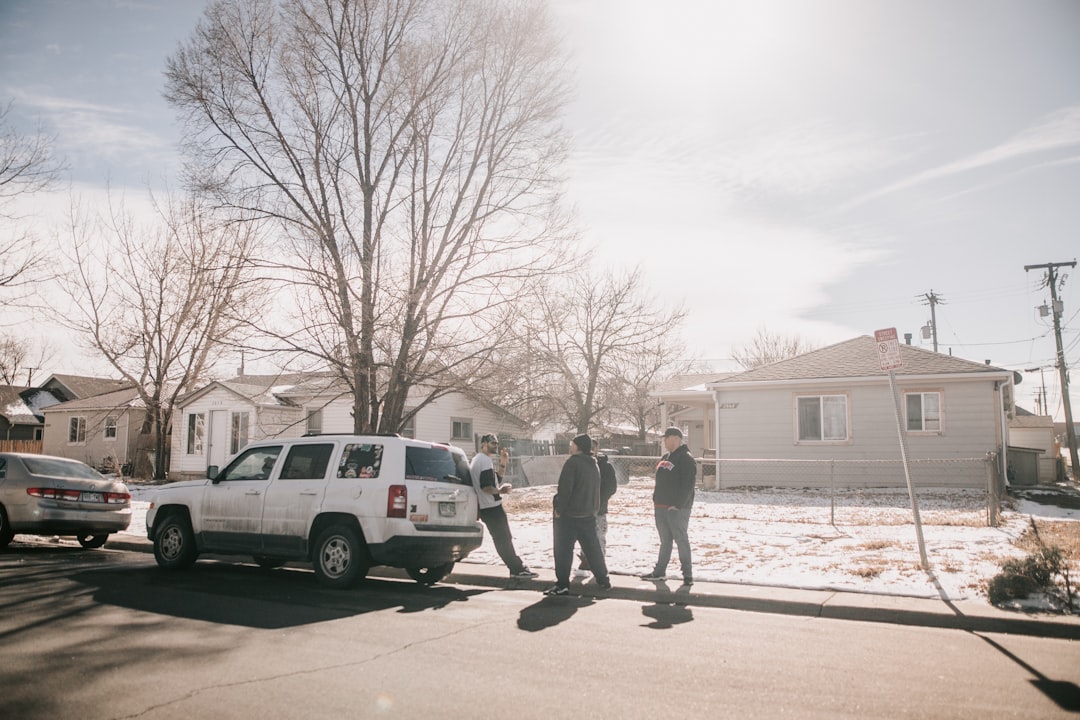
In the wake of recent police-involved incidents across Denver, neighborhood organizations are stepping forward to create their own crisis response networks, filling critical gaps in city services and offering community-centered alternatives to traditional emergency response.
The recent officer-involved shooting in an alley confrontation that resulted in a fatality, according to multiple news reports including The Denver Post and CBS News, has renewed conversations about alternative approaches to crisis intervention. While investigations into these incidents continue, community groups across Denver’s diverse neighborhoods are proactively building support systems that prioritize de-escalation and mental health assistance.
Capitol Hill Leads Community Response Efforts
Capitol Hill, long known for its activist community, has emerged as a testing ground for neighborhood-based crisis response. Local organizers have been expanding volunteer networks trained in mental health first aid and conflict resolution, drawing on existing community organizing infrastructure that has operated in the area for years.
These efforts typically involve partnerships between established nonprofits, neighborhood associations, and resident volunteers who receive training in crisis de-escalation techniques. The approach emphasizes connecting people experiencing mental health crises with resources and support rather than primarily relying on law enforcement response.
Community meetings in the neighborhood have focused on creating rapid response teams that can be activated when residents identify someone in crisis, according to patterns of organizing that have emerged following similar incidents in other cities. These teams often include trained mental health advocates, community mediators, and residents with lived experience of crisis situations.
Five Points Builds on Historical Community Networks
The historic Five Points neighborhood, with its deep roots in community mutual aid, has been expanding existing support networks to include crisis response capabilities. The area’s strong tradition of neighbor-to-neighbor assistance provides a foundation for more formalized emergency support programs.
Local churches and community centers in Five Points have become coordination hubs for volunteer networks, building on decades of community organizing experience. These efforts typically focus on addressing root causes of crisis situations, including housing instability, food insecurity, and lack of access to mental health services.
The neighborhood’s approach often emphasizes cultural competency and community leadership, with longtime residents taking active roles in designing and implementing response protocols. This model recognizes that effective crisis intervention requires deep understanding of local community dynamics and trust relationships.
RiNo Leverages Resources for Crisis Prevention
The River North Arts District (RiNo) has taken a different approach, using its growing network of businesses and arts organizations to fund and support crisis prevention programs. The neighborhood’s development boom has provided resources that community groups are channeling into mental health and emergency support initiatives.
Local arts organizations have become unexpected partners in crisis response, offering creative therapeutic programs and safe spaces for community members experiencing difficulties. The integration of creative expression with mental health support represents an innovative approach that builds on RiNo’s cultural identity.
Business associations in the area have also contributed funding and volunteer hours to support community response teams, creating a model that combines private sector resources with grassroots organizing efforts.
Addressing Gaps in City Services
These neighborhood-level initiatives emerge as Denver continues to grapple with questions about police response to mental health crises. Recent incidents, including the fatal police shooting of a suspect who allegedly refused to drop a weapon, highlight ongoing challenges in crisis intervention, according to CBS News and other local media reports.
City officials have acknowledged the need for expanded mental health response capabilities, but community groups argue that neighborhood-level networks can provide more immediate and culturally appropriate support. These local networks often know individuals in crisis personally and can draw on established trust relationships to provide effective intervention.
The community response model also addresses broader social issues that can contribute to crisis situations. Volunteer networks frequently provide assistance with housing, employment, and healthcare access, working to address underlying causes of instability and distress.
Training and Coordination Challenges
Implementing effective community crisis response requires significant training and coordination. Volunteer networks must learn de-escalation techniques, recognize signs of mental health emergencies, and understand when situations require professional intervention or law enforcement involvement.
Many neighborhoods have partnered with established mental health organizations to provide training for volunteers. These programs typically cover conflict resolution, trauma-informed approaches, and resource navigation. Safety protocols are also essential, ensuring that volunteers can recognize situations that exceed their training and know how to access additional support.
Coordination between neighborhood networks and official emergency services remains an ongoing challenge. Community groups emphasize the importance of clear communication protocols and mutual understanding of roles and responsibilities during crisis situations.
Measuring Impact and Sustainability
As these community-based crisis response networks mature, questions of effectiveness and long-term sustainability become increasingly important. Neighborhoods are developing systems to track their impact, documenting successful interventions and identifying areas for improvement.
Funding represents a persistent challenge, as volunteer networks require resources for training, coordination, and basic supplies. Some neighborhoods have secured grants from foundations or city programs, while others rely on community fundraising and donated services.
The sustainability of these efforts also depends on maintaining volunteer engagement over time. Successful programs often rotate leadership responsibilities and create multiple entry points for community members to contribute according to their availability and skills.
Looking Forward
Denver’s neighborhood-based crisis response networks represent a growing movement toward community-centered public safety approaches. As these initiatives expand and refine their methods, they may offer valuable models for other cities grappling with similar challenges.
The success of these efforts will likely depend on continued community engagement, adequate training and resources, and productive relationships with official emergency services. As neighborhoods like Capitol Hill, Five Points, and RiNo continue developing their programs, their experiences will provide important lessons for community-based crisis response across the Denver metro area.
These grassroots initiatives reflect a broader conversation about public safety and community well-being that extends far beyond Denver’s borders. As residents take active roles in supporting their neighbors through difficult times, they’re building stronger, more resilient communities while working toward more effective and compassionate approaches to crisis intervention.